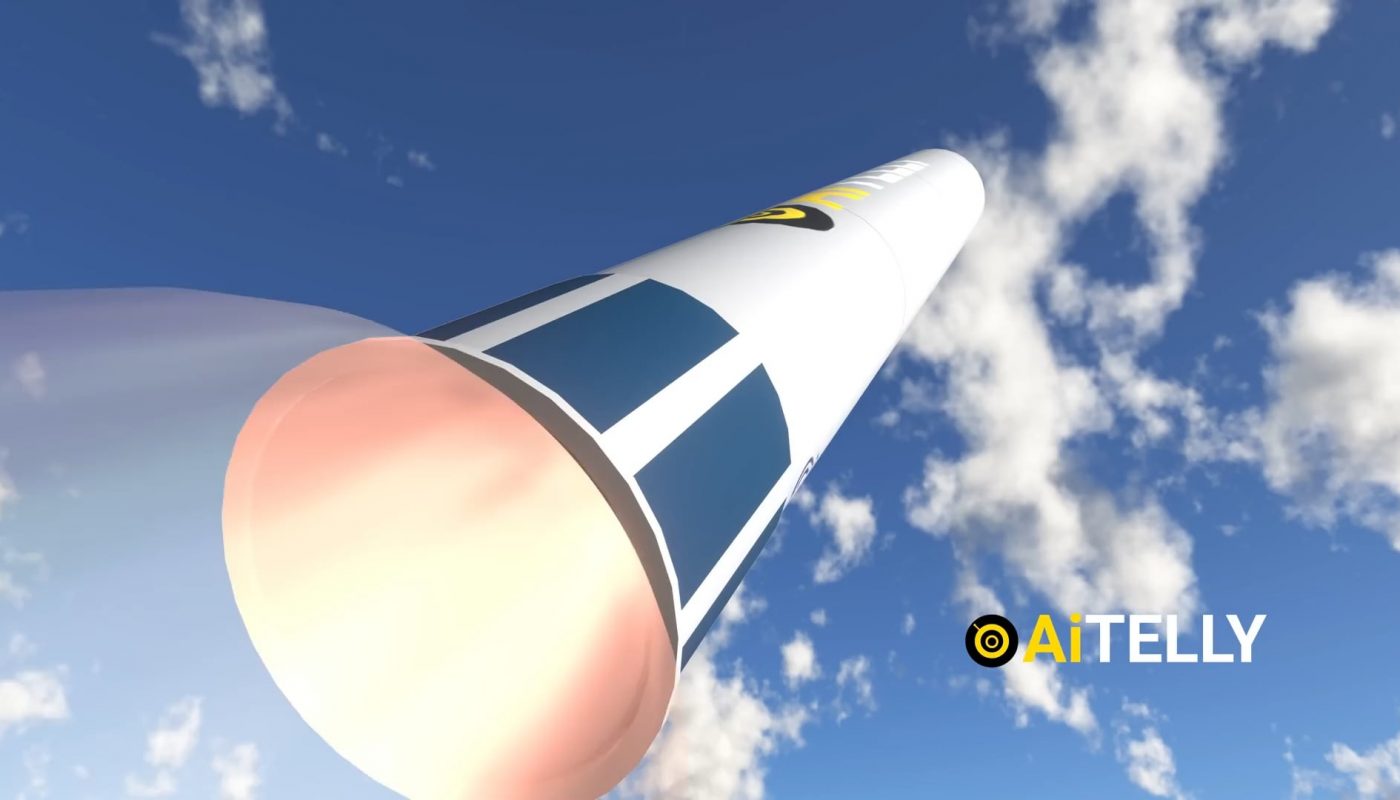
How anti ballistic missile Arrow 3 system works. Germany just deployed to repel Russian attacks in the case of invasion of Europe
Title: How Israel’s Arrow 3 Protects Europe: Germany’s New Ballistic Missile Shield Against Russian Threats
Meta Description: Discover how Germany’s deployment of the cutting-edge Arrow 3 anti-ballistic missile system works to repel Russian attacks. Learn about its technology, capabilities, and the strategic shift in European defense.
Introduction
Amid escalating tensions in Eastern Europe and the specter of advanced Russian missile threats, Germany has taken a historic step to bolster continental security. The Arrow 3 anti-ballistic missile (ABM) system, developed jointly by Israel and the U.S., is now operational on German soil—a linchpin of NATO’s plan to deter or defeat potential aerial assaults. But how does this futuristic system work, and why is it pivotal for Europe’s defense? This article breaks down the Arrow 3’s mechanics, deployment, and strategic implications.
What is the Arrow 3 System?
The Arrow 3 is the most advanced layer of Israel’s multi-tiered missile defense architecture, designed to intercept long-range ballistic missiles (including ICBMs) outside the Earth’s atmosphere (exoatmospheric interception). Its deployment in Germany marks the first time this technology is used outside Israel, signaling a leap in NATO’s defensive readiness.
Key Capabilities:
- Range: Engages threats up to 2,400 km away in space.
- Altitude: Operates at exoatmospheric heights (>100 km), neutralizing missiles before re-entry.
- Speed: Hypersonic interceptor missiles traveling faster than Mach 9 (11,000 km/h).
- Threats Targeted: Ballistic missiles, ICBMs, and potentially hypersonic gliders (pending upgrades).
How Does the Arrow 3 System Work? A 4-Step Process
The Arrow 3 relies on a blend of radar, satellites, and AI-driven precision to destroy incoming threats mid-flight.
1. Threat Detection & Tracking
- Radar Networks: Linked to ground-based AN/TPY-2 radars and NATO’s integrated sensors, the system identifies missile launches via infrared signatures and radar tracks.
- Space-Based Sensors: Leverages early-warning satellites to detect thermal plumes during boost phase.
- Data Fusion: Combines inputs from allies (e.g., U.S. Space Force satellites) for real-time situational awareness.
2. Fire Control & Decision-Making
- Battle Management: Advanced software calculates intercept trajectories in seconds, accounting for speed, trajectory, and countermeasures.
- Human Oversight: Military operators approve engagements but rely on AI for split-second adjustments.
3. Exoatmospheric Interception
- Two-Stage Interceptor Rocket: The Arrow 3 missile launches vertically, shedding its first stage to propel the kill vehicle into space.
- Hit-to-Kill Technology: Uses kinetic energy (no explosive warhead) to collide with the target. The kill vehicle adjusts course using lateral thrusters for pinpoint accuracy—akin to “hitting a bullet with a bullet.”
4. Kill Assessment
- Post-impact, radars confirm destruction of the warhead before debris enters the atmosphere—minimizing collateral damage.
Why Germany Deployed Arrow 3 Against Russian Threats
Germany accelerated its €4 billion acquisition of Arrow 3 under the European Sky Shield Initiative (ESSI), a NATO-backed defense umbrella. Here’s the strategic rationale:
-
Countering Russia’s Missile Arsenal: Russia fields Iskander, Kinzhal, and Satan II ICBMs capable of striking Europe with nuclear/conventional payloads. Arrow 3 offers a high-altitude shield to intercept these threats far from densely populated areas.
-
Layered Missile Defense: Germany pairs Arrow 3 with Patriot PAC-3 (lower-tier) systems for a comprehensive shield—covering short-, medium-, and long-range missiles.
-
Deterrence Through Strength: By demonstrating the capability to nullify Russia’s missile advantage, Germany aims to dissuade aggression against NATO members.
-
Future-Proofing Against Hypersonics: Arrow 3’s upgradable software and sensors position Europe to counter next-gen Russian hypersonic missiles.
Arrow 3 vs. Russian Missiles: Can It Repel an Invasion?
While no system is foolproof, Arrow 3’s test success rate of 90%+ in Israeli trials (including simulated ICBM threats) makes it a formidable deterrent:
- Advantage: Exoatmospheric interception gives more reaction time, protects large areas (Finland & Netherlands are also joining ESSI), and reduces debris risk.
- Limitations: Struggles with mass salvos (e.g., 100+ missiles at once) or advanced decoys. However, networked NATO defenses (including THAAD and Aegis ships) would complement Arrow 3.
Germany’s Arrow 3 Deployment: A Turning Point for NATO
- Strategic Autonomy: Reduces reliance on U.S. missile defense infrastructure.
- Political Solidarity: Strengthens NATO cohesion amid rising tensions with Russia.
- Technological Edge: Positions Europe at the forefront of missile defense innovation.
FAQs on Arrow 3
Q: How fast does Arrow 3 intercept missiles?
A: From detection to interception, the process takes 4-5 minutes.
Q: Can Arrow 3 stop nuclear missiles?
A: Yes—its kinetic kill vehicle destroys ballistic missile warheads, including nuclear ones, in space.
Q: Where in Germany is Arrow 3 stationed?
A: Likely Schleswig-Holstein, a strategic location covering Eastern Europe and Scandinavia.
Q: Is Arrow 3 combat-tested?
A: Not in actual war, but rigorously tested in Israel against simulated Iranian and Russian-style threats.
Conclusion
Germany’s Arrow 3 deployment isn’t just a military upgrade—it’s a game-changer for European security. By leveraging space-based interception and AI-driven precision, this system offers a vital shield against Kremlin aggression, ensuring NATO’s eastern flank remains protected. As Russia modernizes its missile arsenal, Arrow 3 underscores a clear message: Europe is ready to defend itself at the cutting edge of warfare, from the ground to the stars.
Optimized Keywords: Arrow 3 system, ballistic missile defense, Germany missile defense, how Arrow 3 works, Russian missile threat, European Sky Shield Initiative, exoatmospheric interception, NATO missile shield, Arrow 3 deployment, anti-ICBM technology.
For more defense analysis, geopolitical insights, and breaking news, subscribe to our newsletter below!