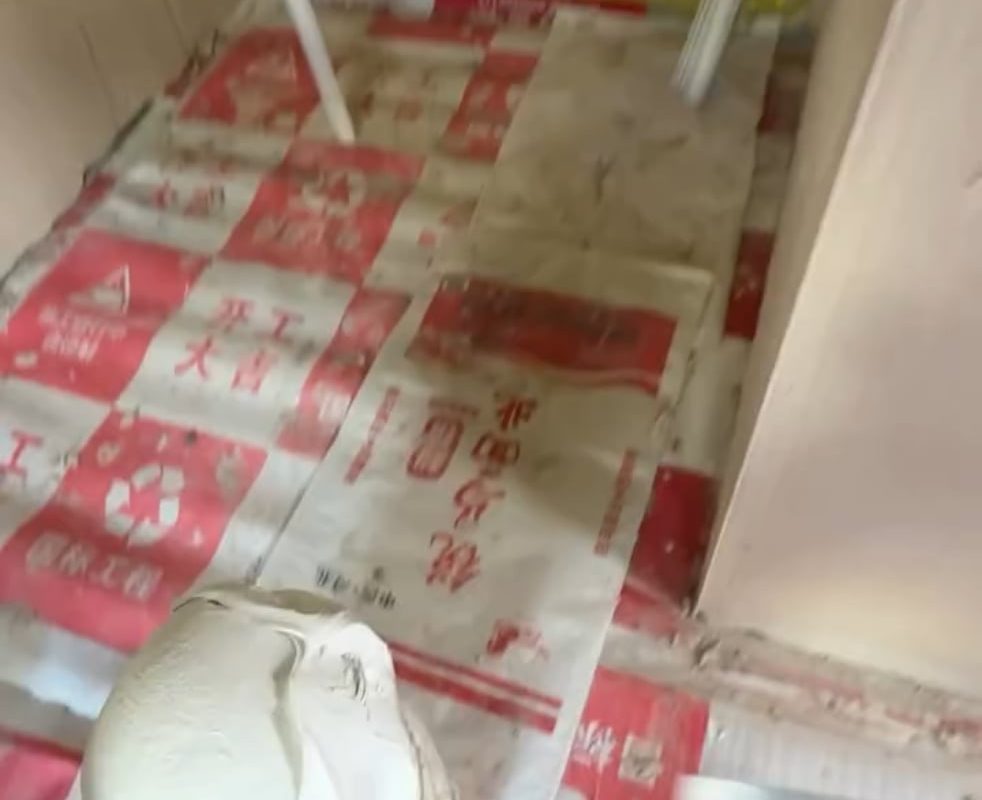
The smooth application of wall putty
The Ultimate Guide to Achieving a Smooth Wall Putty Application: Tips & Techniques
For homeowners, DIY enthusiasts, and professional painters alike, achieving a smooth finish with wall putty is essential for creating flawless walls ready for painting or wallpapering. A well-applied putty not only hides imperfections like cracks and pores but also enhances the durability and aesthetic appeal of your walls. In this guide, we’ll walk you through step-by-step techniques for a seamless wall putty application, along with expert tips to avoid common mistakes.
Why a Smooth Wall Putty Finish Matters
Wall putty (also called wall filler or spackling compound) acts as a protective primer layer that:
- Fills imperfections: Conceals cracks, holes, dents, and uneven surfaces.
- Improves adhesion: Creates a uniform base for paint, ensuring longer-lasting color vibrancy.
- Prevents moisture: Cement-based putties resist dampness, protecting walls from mold and peeling.
- Enhances aesthetics: A smooth surface reflects light evenly, giving walls a polished, professional look.
Step-by-Step Guide to Applying Wall Putty Smoothly
1. Prepare the Surface
A flawless result starts with proper wall preparation:
- Clean the wall: Remove dust, grease, or loose particles with a damp cloth. For stubborn stains, use mild detergent.
- Repair major damage: Fill deep cracks or holes with a patching compound before applying putty. Allow to dry completely.
- Sand the wall: Use 120–180-grit sandpaper to smooth rough areas and improve putty adhesion. Wipe away debris afterward.
- Ensure dryness: Walls must be completely dry—no dampness—before application.
2. Choose the Right Wall Putty
Select a putty suited to your wall type:
- Cement-based putty: Ideal for concrete, brick, or exterior walls (water-resistant).
- Acrylic putty: Best for interior plaster or gypsum walls (easy to apply and sand).
- Polymer putty: Flexible and crack-resistant for high-movement areas.
Pro Tip: Opt for pre-mixed putty for convenience, or mix powdered putty to a creamy, lump-free consistency (like toothpaste).
3. Gather Essential Tools
- Steel trowel or putty knife (6–12 inches)
- Mud pan or mixing bucket
- Sanding block (220-grit for finishing)
- Protective gear (gloves, mask, goggles)
- Clean cloth or sponge
4. Apply the First Coat
- Load the trowel: Scoop a small amount of putty onto the edge of your trowel.
- Apply in thin layers: Spread evenly in 1–2 mm thickness using firm, diagonal strokes. Avoid thick coats—they’re prone to cracking.
- Overlap strokes: Work in sections (3×3 feet) and blend edges seamlessly.
- Remove excess: Hold the trowel at a 15–30° angle to scrape off extra putty.
5. Let It Dry Completely
- Drying time varies (6–24 hours) based on humidity, temperature, and putty type.
- Ensure proper ventilation to speed up drying.
6. Sand Lightly
- After the first coat dries, sand gently with 220-grit paper to remove ridges or trowel marks.
- Wipe the wall with a damp cloth to eliminate dust.
7. Apply the Second Coat (If Needed)
For ultra-smooth walls:
- Repeat a second thin coat, focusing on any remaining imperfections.
- Sand again once dry.
Key Tips for a Professional Finish
- Work in natural light: This reveals imperfections hidden under artificial lighting.
- Avoid overworking: Don’t repeatedly trowel the same spot—it creates ridges.
- Check consistency: If putty feels sticky, add a little water/polymer additive.
- Mind the temperature: Ideal conditions are 10–35°C (50–95°F). High humidity delays drying.
- Prime before painting: Always apply primer after putty dries for better paint adhesion.
Common Mistakes to Avoid
- ❌ Skipping surface prep: Dirt or moisture causes peeling.
- ❌ Applying too thick: Thick coats crack and take longer to dry.
- ❌ Poor sanding: Uneven sanding leaves visible bumps under paint.
- ❌ Rushing drying time: Paint applied too soon will bubble or flake.
Conclusion
Mastering the smooth application of wall putty transforms uneven, damaged walls into pristine canvases for your design vision. By prioritizing surface prep, using the right tools, and applying thin, even coats, you’ll create a durable base that elevates your paint job from amateur to professional. Whether refreshing a single room or renovating an entire home, these techniques ensure your walls look stunning for years to come.
Ready to start? Grab your trowel, follow these steps, and watch your walls shine!
SEO Keywords:
Wall putty application, smooth wall putty, how to apply wall putty, wall putty techniques, flawless wall finish, DIY wall putty, wall preparation, painting prep, acrylic putty, cement putty.
Internal Linking Suggestions:
- “How to Choose the Right Wall Primer for Your Paint”
- “Top 5 Tools for Professional-Quality Wall Repair”
- “Avoid These Painting Mistakes for a Perfect Finish”
Boost your home improvement skills—subscribe for more expert guides!