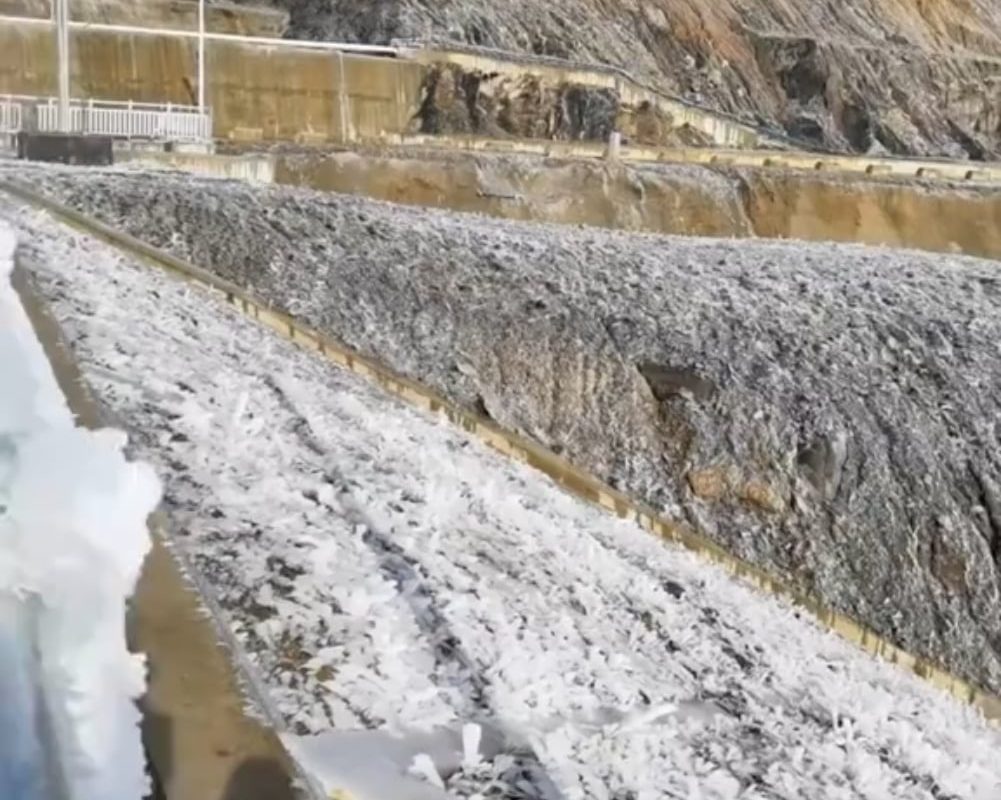
The sound of ice
The Sound of Ice: Nature’s Frozen Symphony Unveiled
From the gentle crackle of ice cubes in a glass to the thunderous roar of glaciers calving into polar seas, the sound of ice is both haunting and hypnotic. These otherworldly noises reveal hidden stories about Earth’s frozen landscapes, scientific phenomena, and even human creativity. In this article, we’ll explore the science, beauty, and cultural significance of ice’s mesmerizing acoustics.
The Science Behind Ice’s Soundscape
Ice isn’t just solid water—it’s a dynamic material that “speaks” through vibrations, fractures, and environmental interactions. Here’s what creates its unique sounds:
-
Fracturing & Expansion:
As water freezes, it expands, creating internal stress. When this stress releases—due to temperature shifts or pressure—it produces sharp cracking noises. Think of a frozen lake “singing” as ice contracts on a cold night or the loud pop of an ice cube dropped into water. -
Acoustic Emissions:
Glaciers and icebergs generate low-frequency groans called “icequakes.” These occur when massive sheets of ice fracture under their own weight or collide. Scientists study these sounds to monitor climate-driven glacier melt. -
Bubble Symphonies:
Trapped air bubbles in ancient ice escape as it melts, creating fizzy, crackling sounds. Antarctic ice cores, some over 800,000 years old, whisper secrets of Earth’s past as they thaw.
Ice Sounds in Nature: Earth’s Frozen Orchestra
1. The “Song” of Frozen Lakes
On frigid winter days, some lakes emit eerie, metallic hums. This occurs when surface ice expands and contracts, sending vibrations across the water. Folklore often links these sounds to mythical creatures, but physics explains it as “acoustic resonance.”
2. Glacier Calving: Thunder on Ice
When chunks of glaciers break off (calving), the resulting crash can rival a sonic boom. These events release energy equivalent to small earthquakes, creating waves and underwater soundscapes heard miles away.
3. Ice Storms: Nature’s Wind Chimes
Freezing rain coats trees and power lines in ice. As wind passes through these icy structures, it creates delicate, glass-like tinkling—a serene yet destructive melody.
Everyday Ice Sounds: From Kitchens to Cultures
- Cocktail Hour Crackle: Ice cubes cracking in drinks result from rapid temperature change. The outer layer contracts faster than the core, creating stress fractures.
- Winter Sports Rhythms: Skates carving into rink ice or the crunch of boots on snow are quintessential seasonal sounds.
- Cryoseisms (“Frost Quakes”): Sudden freezing of groundwater can cause booming noises underground, startling residents in cold climates.
Ice as Art: Music, ASMR, and Beyond
Creatives have harnessed ice’s sonic potential in groundbreaking ways:
- Terje Isungset’s Ice Instruments: This Norwegian musician carves horns, drums, and xylophones from ice, producing ethereal, crystalline tones.
- ASMR & Meditation: The crisp crunch of ice-chewing or gentle clinking in a glass has become a staple of ASMR (Autonomous Sensory Meridian Response) culture, triggering relaxation.
- Field Recordings: Sound artists like Chris Watson capture glacial soundscapes to raise awareness about climate change.
Why Are We Fascinated by the Sound of Ice?
Ice sounds evoke primal curiosity and awe:
- Survival Cues: For early humans, ice noises signaled danger (thin ice) or drinking water.
- Alien Beauty: From Antarctica’s “ice sizzle” (dissolving dry ice) to fjords echoing with calving events, these sounds feel otherworldly.
- Climate Clues: Scientists analyze shifting ice acoustics to track global warming’s impact on polar regions.
FAQs About Ice Sounds
Q: Why does ice crack in drinks?
A: Rapid temperature shifts cause uneven expansion, fracturing the ice.
Q: Can glaciers “sing”?
A: Yes! Antarctic glaciers emit harmonic tremors as meltwater flows through cracks.
Q: How loud is a calving glacier?
A: Up to 220 decibels underwater—louder than a rocket launch!
Conclusion: Listening to the Ice
The sound of ice transcends mere noise—it’s a language of climate, culture, and curiosity. Whether it’s the meditative drip of melting icicles or the apocalyptic roar of a disintegrating ice shelf, these frozen symphonies remind us of nature’s power and fragility. So next time you hear ice crack, pause and listen: you’re witnessing physics, history, and art in harmony.
Optimize Your World: Record winter soundscapes, explore glacial ASMR tracks, or dive into cryoacoustics research. The frozen world is full of secrets waiting to be heard.
Meta Description: Discover the science and beauty behind the sound of ice, from glacial thunder to cocktail crackles. Explore how frozen symphonies shape culture, climate, and creativity.