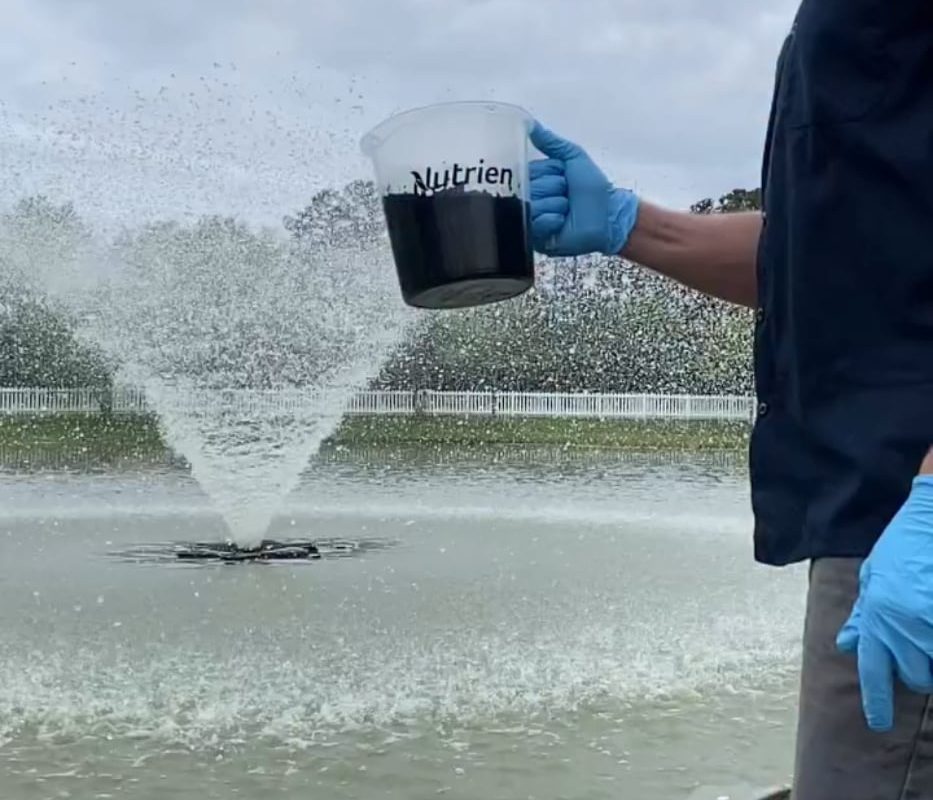
Non-toxic dye thrown into fountain to kill diatoms
Title: Non-Toxic Fountain Dye: An Eco-Friendly Solution to Kill Diatoms & Prevent Algae
Meta Description: Discover how non-toxic dye can safely eliminate diatoms in fountains. Learn the science, benefits, and best practices for eco-friendly algae control.
Introduction
Diatoms, a stubborn type of algae, thrive in sunlight-rich fountains, creating unsightly green or brown slime and slippery surfaces. Traditional chemical treatments harm aquatic life and ecosystems, but a surprising alternative offers a safer fix: non-toxic fountain dye. This article explains how dye blocks diatom growth, its environmental benefits, and how to use it effectively.
Understanding Diatoms: Why They’re a Problem
Diatoms are microscopic algae with silica-based shells. They flourish in still, sunlit water, attaching to fountain surfaces and:
- Creating biofilms that stain stone or concrete.
- Clogging pumps and filters.
- Harboring bacteria and mosquitoes.
While harmless to humans, their presence degrades fountain aesthetics and functionality.
How Non-Toxic Dye Kills Diatoms (Without Chemicals)
The dye doesn’t poison diatoms—it starves them of sunlight. Diatoms rely on photosynthesis, and dyes work by:
- Blocking UV Rays: Dark-colored dyes (blue, black, or reed-green) absorb sunlight, reducing penetration into the water.
- Disrupting Photosynthesis: Without light, diatoms can’t produce energy, leading to gradual die-off.
- Preventing New Growth: Regular dye applications create a light-limiting barrier.
Key Takeaway: This method targets algae organically, avoiding copper sulfates or herbicides.
Benefits of Non-Toxic Fountain Dye
- Eco-Safe: EPA-approved dyes are non-toxic to fish, birds, pets, and plants.
- Low Maintenance: A single application lasts 1–2 months, reducing manual scrubbing.
- Aesthetic Flexibility: Dyes enhance fountains with vibrant colors while solving algae issues.
- Cost-Effective: Cheaper than repeated chemical treatments or UV systems.
How to Apply Fountain Dye for Diatom Control
- Choose the Right Dye: Opt for dyes labeled “safe for aquatic life” and biodegradable.
- Calculate Dosage: Use 1–2 ounces per 1,000 gallons (adjust based on water clarity and fountain size).
- Apply Evenly: Pour dye concentrate near fountain jets for quick dispersion. Reapply every 4–8 weeks.
- Combine with Preventive Measures:
- Improve water circulation with pumps.
- Clean debris weekly to reduce nutrient sources.
- Use UV clarifiers for severe infestations.
Pro Tips for Success
- Timing: Apply dye in early spring to prevent diatom blooms.
- Color Choice: Darker hues (e.g., royal blue) block more light than lighter shades.
- Test First: Spot-check for surface staining on porous materials.
- Monitor Water Quality: High phosphate or nitrate levels may require additional treatments.
Addressing Common Concerns
- Does it stain? Most dyes don’t stain when used as directed, but test on a small area first.
- Is it safe for wildlife? Yes—look for dyes free of heavy metals and approved for recreational water.
- Will rain dilute it? Heavy rainfall may require reapplication.
FAQs About Fountain Dye and Diatoms
Q: How long until diatoms die after dyeing?
A: Diatoms weaken within days but may take 2–3 weeks to fully disappear.
Q: Can I use dye in fountains with fish?
A: Absolutely—non-toxic dyes won’t harm fish but ensure proper aeration.
Q: Are dyes legal for public fountains?
A: Check local regulations, as some municipalities restrict colorants for aesthetic reasons.
Conclusion
Non-toxic fountain dye offers a simple, environmentally responsible way to kill diatoms and prevent algae overgrowth. By cutting off sunlight, it tackles the root cause without harsh chemicals. Pair it with routine maintenance for a crystal-clear, low-effort fountain year-round.
Ready to try it? Share this guide with fellow fountain owners or explore our recommended products for eco-friendly water care!
Optimized Keywords: non-toxic fountain dye, kill diatoms, fountain algae control, eco-friendly diatom treatment, how to eliminate algae in fountains, safe fountain maintenance.
Internal Links:
- [How to Clean Fountain Filters Naturally]
- [Best Solar Fountain Pumps for Circulation]
External Links:
- EPA Guidelines for Aquatic Dyes
- University Study on Algae Prevention