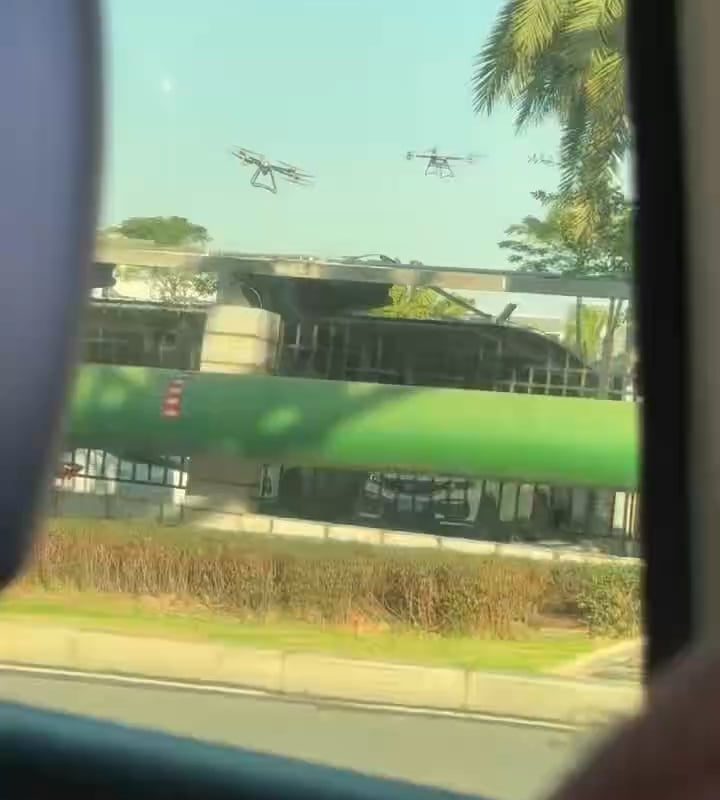
Drones helping install solar panels
Drones in Solar Panel Installation: Revolutionizing Renewable Energy with Aerial Innovation
The renewable energy sector is soaring to new heights—literally—thanks to drone technology. As solar power demand surges, the logistics of installing solar panels remain labor-intensive, time-consuming, and often dangerous. Enter drones: these unmanned aerial vehicles (UAVs) are transforming solar installation by enhancing speed, safety, and precision. In this article, we explore how drones are reshaping the solar industry and accelerating the global shift toward clean energy.
The Challenge of Traditional Solar Panel Installation
Installing solar panels on rooftops or large-scale solar farms requires meticulous planning, heavy manual labor, and significant time. Workers face risks like falls from heights, lifting injuries, and weather delays. Additionally, surveying vast sites for optimal panel placement and performing maintenance can drain resources.
How Drones Streamline Solar Installation
Drones address these pain points through automation, aerial agility, and advanced imaging. Here’s how they optimize each phase of solar installations:
1. Site Inspection & Mapping
Before installation begins, drones equipped with LiDAR (Light Detection and Ranging), thermal cameras, and photogrammetry software conduct high-resolution 3D surveys of rooftops or land. They:
- Identify ideal panel placement based on sun exposure, shading, and structural integrity.
- Detect surface imperfections (e.g., cracks or slopes) to prevent installation errors.
- Generate digital twins of sites for precise planning, reducing manual measurement errors.
2. Automated Panel Transportation
Heavy solar panels can now be lifted and transported by heavy-lift drones, eliminating the need for cranes or human carriers. Companies like BBC and startups like Dronelift are testing UAVs capable of carrying payloads up to 100 kg (220 lbs), flying panels directly to rooftops or remote solar farms.
3. Drone-Assisted Installation
Innovative drone-mounted robotic arms are being developed to position, align, and secure solar modules. Guided by AI algorithms, drones:
- Fit panels with millimeter precision, maximizing energy output.
- Work in hazardous areas (e.g., unstable roofs or uneven terrain) safely.
- Reduce installation time by up to 50% compared to manual methods.
4. Post-Installation Monitoring & Maintenance
Drones equipped with thermal imaging cameras perform routine inspections to detect hotspots, debris buildup, or faulty wiring. This proactive maintenance:
- Prevents energy loss from underperforming panels.
- Extends equipment lifespans by identifying issues early.
- Lowers operational costs by reducing manual inspection needs.
Benefits of Drone-Driven Solar Installation
- Speed & Scalability: Drones slash installation timelines by automating surveys and logistics, enabling faster project completion.
- Cost Efficiency: Reduced labor, equipment rentals, and risk of rework translate to lower costs (the U.S. DOE aims to cut solar installation expenses by 60% by 2030).
- Enhanced Safety: Minimizing human involvement in dangerous tasks reduces workplace accidents.
- Accessibility: Drones install panels in hard-to-reach locations, such as mountainous regions or high-rise buildings.
- Sustainability: Faster solar adoption lowers reliance on fossil fuels, aligning with global decarbonization goals.
Real-World Applications & Success Stories
- Sweden’s Harsh Terrain: In northern Sweden, drones installed solar panels on remote cabins, bypassing snowy, inaccessible roads.
- Large-Scale Solar Farms: Arizona’s Ten West Link project used drones to survey 2,000 acres, cutting surveying time by 80%.
- Rooftop Solar in Cities: Companies like SunPower pilot drone inspections for urban solar projects, streamlining residential adoption.
Challenges and Future Outlook
While promising, drone adoption faces hurdles:
- Regulatory Limits: Aviation authorities restrict drone payloads and flight zones.
- Weather Dependency: Wind, rain, or extreme heat can ground drone operations.
- Tech Integration: Full automation requires seamless coordination between drones, robots, and software platforms.
Still, advancements in AI, battery life, and regulations (e.g., FAA’s Beyond Visual Line of Sight rules) will likely overcome these barriers. Industry analysts project the solar drone market to grow at a 17% CAGR from 2024–2030.
Conclusion
Drones are no longer just tools for photography or delivery—they’re catalysts for a solar-powered future. By making installations faster, cheaper, and safer, UAVs are helping nations worldwide meet renewable energy targets while supporting job creation in tech-driven sectors. As drone and solar technologies continue to evolve, expect “flying installers” to become standard on solar sites, paving the way for a greener, smarter grid.
Tags: Drone technology, solar panel installation, renewable energy innovation, automated solar drones, UAV in construction, solar farm efficiency.
Meta Description: Discover how drones are revolutionizing solar panel installation—reduce costs, improve safety, and speed up renewable energy projects with aerial innovation.
Call to Action: Ready to harness drone technology for your solar project? Share your thoughts below or contact us to learn about the latest UAV solutions!