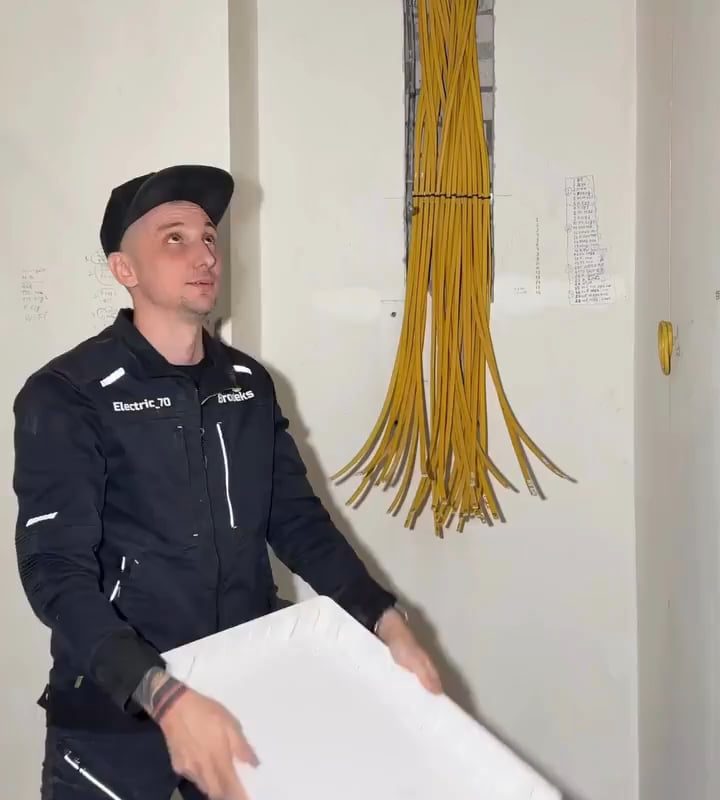
A perfect, neat, immaculate wiring installation
The Ultimate Guide to Achieving a Perfect, Neat, and Immaculate Wiring Installation
Wiring installations are the unsung heroes of modern homes and businesses—providing power, connectivity, and safety behind the scenes. But messy, disorganized wiring isn’t just an eyesore; it poses fire risks, complicates maintenance, and reduces efficiency. Whether you’re tackling a DIY project or overseeing a professional installation, a perfect, neat, and immaculate wiring setup is within reach. This guide unlocks the secrets to flawless wiring, from planning to execution.
Why Does Neat Wiring Matter?
1. Safety First
Exposed or tangled wires can overheat, fray, or cause short circuits, increasing fire hazards. Neat installations minimize risks and comply with electrical codes like NEC (National Electrical Code).
2. Simplified Maintenance
Labeled, organized wiring makes troubleshooting faster. No more guessing which wire connects to which circuit!
3. Aesthetic Appeal
Hidden wires and clean conduits enhance the visual harmony of spaces—ideal for open-plan homes, offices, or smart setups with tech devices.
4. Improved Efficiency
Properly routed wires reduce electromagnetic interference (EMI) and signal loss in data/audio systems.
Steps to Achieve Immaculate Wiring Perfection
1. Plan Like a Pro
- Map Your Circuits: Sketch a layout of outlets, switches, and appliances. Group circuits logically (e.g., kitchen on one circuit, lighting on another).
- Measure Twice: Calculate wire lengths precisely to avoid excess slack or tension.
- Choose Quality Materials: Use UL-listed wires, durable conduits (PVC or metal), and color-coded cables for easy identification.
2. Master Cable Management Tools
- Cable Trays & Raceways: Conceal wires along walls or ceilings. Opt for paintable raceways to blend with decor.
- Zip Ties & Velcro Straps: Bundle wires tightly but avoid over-tightening (which can damage insulation).
- Label Everything: Use a label maker for wires, breakers, and junction boxes.
3. Route Wires Strategically
- Follow Straight Lines: Avoid diagonal or crisscrossed paths. Use 90-degree bends for a professional look.
- Keep Wires Separated: Distance power cables from data/audio lines to prevent interference.
- Secure with Clamps: Anchor wires every 18–24 inches using clamps or staples (without piercing insulation).
4. Conceal for a Clean Finish
- In-Wall Installation: For renovations, embed wires in walls using conduits or armored cables.
- Baseboard Channels: Hide wires along floor edges with discreet molding.
- Under-Carpet or Floor Solutions: Use flat cables designed for flooring to maintain aesthetics.
5. Test Before Finalizing
- Check Connections: Ensure no loose terminals or crossed wires.
- Test Circuits: Use a multimeter to verify voltage, grounding, and polarity.
- Inspect for Compliance: Confirm adherence to local codes (e.g., GFCI outlets in wet areas).
Common Mistakes to Avoid
- Overloading Circuits: Distribute load evenly to prevent overheating.
- Ignoring Labeling: Skipping this causes headaches during upgrades.
- Poor Bend Radius: Sharp bends damage wires—maintain a gentle curve.
- Neglecting Future Access: Leave service loops in junction boxes for easy modifications.
Tools & Products for Flawless Wiring
- Fish Tape: For pulling wires through walls/conduits.
- Wire Strippers & Crimpers: Ensure clean, secure connections.
- Flexible Conduit (e.g., Liquid-Tight): Protect wires in challenging spaces.
- Cable Management Sleeves: Ideal for desks or entertainment centers.
FAQ: Quick Answers for Perfect Wiring
Q: How do I hide wires without cutting walls?
A: Use raceways, cord covers, or furniture-friendly solutions like under-desk trays.
Q: Can smart home devices help with cable clutter?
A: Yes! Wireless systems reduce physical wires, but always organize remaining cables neatly.
Q: What’s the safest way to bundle wires?
A: Use Velcro straps—they’re reusable and gentle on insulation.
Q: How often should I inspect my wiring?
A: Every 3–5 years, or if you notice flickering lights or frequent breaker trips.
Conclusion: Elevate Your Space with Professional-Grade Wiring
A perfect, neat, immaculate wiring installation merges safety, functionality, and elegance. By planning meticulously, using the right tools, and adhering to best practices, you’ll create a system that’s easy to maintain and visually seamless. For complex projects, always consult a licensed electrician to ensure code compliance and peace of mind.
Transform tangled chaos into an organized masterpiece—your walls (and future self) will thank you!
Keywords for SEO: neat wiring installation, immaculate electrical wiring, professional cable management, perfect wiring setup, safe electrical wiring, wire organization tips, concealing wires, electrical code compliance.
Optimize your space today—start with the wires that power it all.