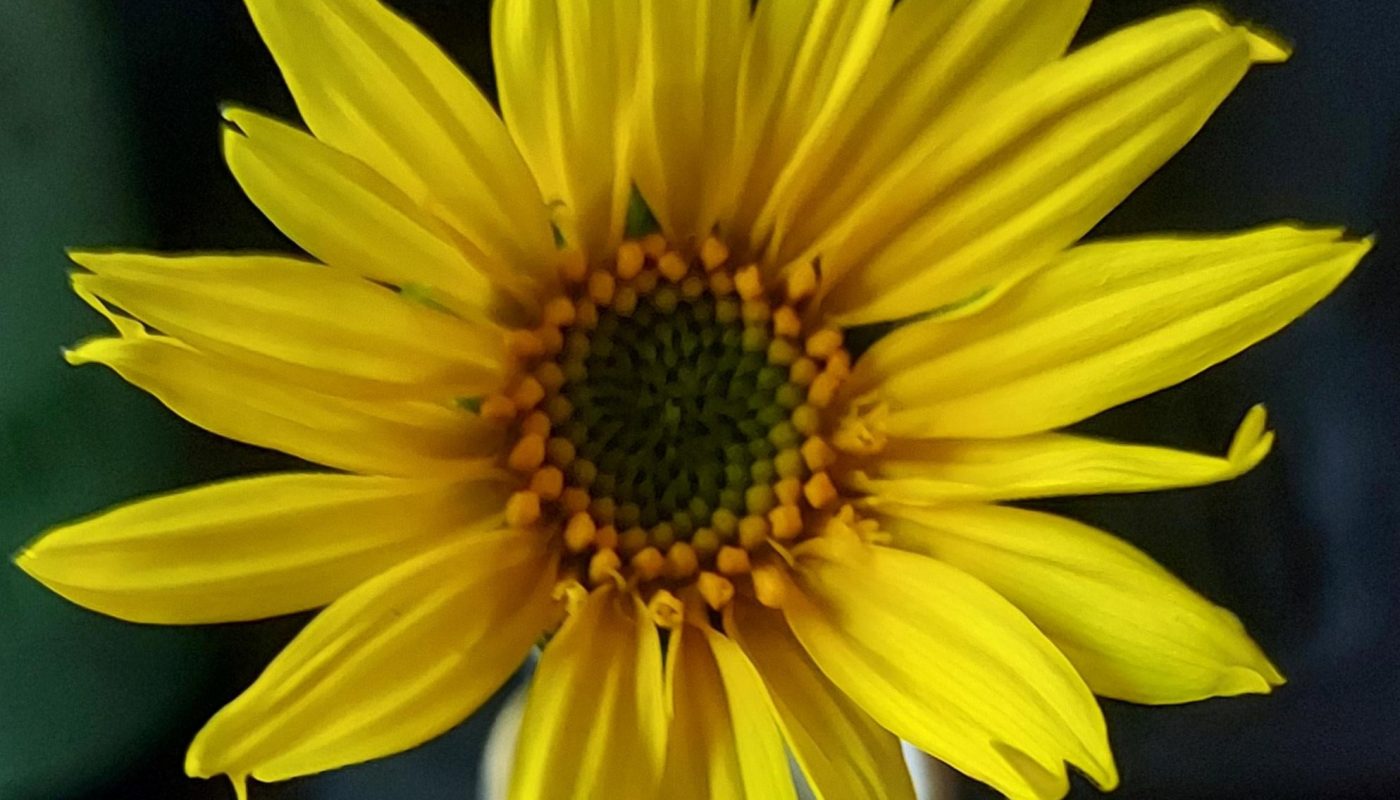
The inside of this sunflower
Unlocking the Mysteries: What Lies Inside a Sunflower?
🍃 Discover the intricate beauty and science hidden within nature’s golden giants.
Sunflowers (Helianthus annuus) are symbols of joy, vitality, and sunshine, but beyond their vibrant yellow petals lies a world of fascinating biology. This SEO-optimized deep dive explores the anatomy, purpose, and wonders of the sunflower’s hidden interior—a masterpiece of nature’s design.
1. Beyond the Petals: The Sunflower’s True Flower Power
Contrary to popular belief, a sunflower isn’t a single flower—it’s a cluster of hundreds (or thousands!) of tiny florets packed into its iconic brown center, called the “disk” (or capitulum). These florets are the sunflower’s unsung heroes:
- Ray Florets: The outer “petals” we admire are sterile florets. Their sole job? To attract pollinators with color and symmetry.
- Disk Florets: The brown center houses hundreds of tubular disc florets, each capable of producing a seed. This spiral-patterned core is where the magic happens.
2. The Secret Life of a Sunflower Seed
The disc florets mature into the sunflower seeds we eat, plant, or turn into oil. Here’s how:
- Pollination: Bees and butterflies transfer pollen from floret to floret.
- Fertilization: Each fertilized floret swells into a seed (a cypsela in botanical terms).
- Seed Development: Seeds mature in concentric rings, creating the mesmerizing Fibonacci spiral.
3. Micro-Anatomy: A Cross-Section Deep Dive
Cut open a sunflower head, and you’ll uncover:
- Receptacle: The fleshy base anchoring all florets.
- Phyllaries: Green leaf-like structures protect young buds.
- Ovary & Seeds: Each disc floret contains one ovary, which hardens into a seed shell.
- Pappus: Tiny hairs that aid seed dispersal by wind.
4. The Geometry of Genius: Fibonacci in Nature
The disk florets aren’t randomly arranged—they follow the golden ratio (1.618) to maximize space and sunlight exposure. This mathematical precision allows maximum seed production and has inspired architects, artists, and scientists for centuries.
5. Human Uses: From Snacks to Sustainability
The sunflower’s interior isn’t just biological art—it’s a powerhouse of utility:
- Food: Nutrient-dense seeds rich in vitamin E, selenium, and healthy fats.
- Oil: Extracted for cooking, cosmetics, and biodiesel.
- Ecosystem Support: A buffet for pollinators and birds like finches.
6. Cultivating Your Own Sunflower Secrets
Pro Tip: If you’re growing sunflowers for seeds:
- Choose large-headed varieties like ‘Russian Giant’ or ‘Mammoth.’
- Harvest when the disk turns brown and seeds plump.
- Dry heads upside-down to save seeds for planting or snacking!
7. Symbolism: Why We See More Than Seeds
Sunflowers symbolize loyalty (heliotropism)—their young heads track the sun daily. Inside, their geometric perfection embodies harmony, resilience, and the hidden order in nature.
FAQ: Quick Sunflower Science
Q: Are all sunflower seeds edible?
A: Most are! Black-striped seeds are for oil, while striped ones are snack-friendly.
Q: How many florets does one sunflower have?
A: Up to 2,000—depending on the variety and growing conditions.
Final Thought
The sunflower’s interior is a microcosm of life, efficiency, and beauty—proof that nature’s most profound wonders often lie beneath the surface.
🔍 Loved this breakdown? Share it with fellow garden nerds and SEO seekers! #SunflowerScience #NatureSecrets
Optimized Keywords: sunflower anatomy, inside a sunflower head, disc florets, sunflower seed formation, Fibonacci sequence in nature, Helianthus annuus, harvesting sunflower seeds.
Boost your garden IQ—subscribe for more plant deep dives! 🌻