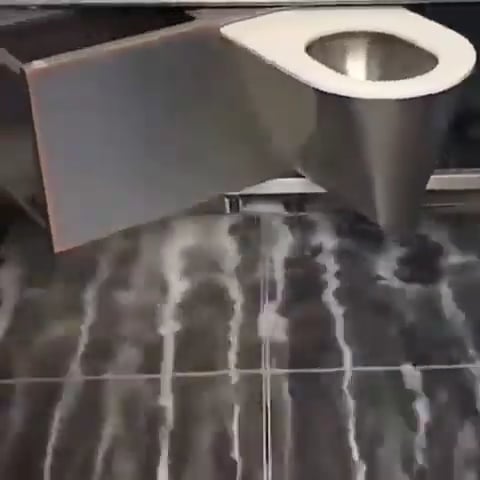
Self Cleaning Public Restroom 👀
Self-Cleaning Public Restrooms: The Future of Sanitation is Here (and It’s Shockingly Hygienic) 👀
Public restrooms: a necessary amenity, often plagued by unpleasant realities—lingering odors, questionable surfaces, and overflowing bins. But what if restrooms could clean themselves after every use, ensuring a consistently sanitary experience? Enter self-cleaning public restrooms – a revolutionary solution transforming urban sanitation with automation, innovation, and germ-zapping tech.
How Do Self-Cleaning Restrooms Work? The Tech Behind the Sparkle
Imagine a restroom that resets like new after each visitor. Here’s the magic:
-
Automated Wash-Down Cycles:
After a sensor detects a user exits, high-pressure jets spray floors, walls, and fixtures with disinfectant. Some models even use steam cleaning for deep sanitization. -
UV-C Light Sterilization:
Ultraviolet light beams kill 99.9% of bacteria, viruses, and mold in under 90 seconds—no chemicals needed. -
Touchless Everything:
Motion-activated faucets, soap dispensers, doors, and toilets eliminate germ hotspots. -
Smart Sensors & AI:
Real-time sensors monitor soap, water, and waste levels, alerting maintenance crews before issues arise.
Why Cities & Businesses Are Investing in Self-Cleaning Sanitation
- ✅ Hygiene Revolution: Germ-free surfaces drastically reduce disease transmission risks (critical post-pandemic).
- ✅ Cost Savings: Less frequent manual cleaning = lower labor costs & reduced maintenance.
- ✅ Water Efficiency: Automated systems use precise amounts of water, cutting waste by up to 70%.
- ✅ 24/7 Availability: No “closed for cleaning” signs—ideal for transit hubs, parks, and downtown cores.
- ✅ Vandalism Resistance: Durable materials and anti-graffiti coatings deter misuse.
Challenges & Considerations
While promising, self-cleaning restrooms aren’t foolproof:
- High Upfront Costs: Units range from $50K-$300K+, though ROI improves over time.
- Tech Malfunctions: Sensors or mechanisms may need skilled repairs.
- Public Adoption: Some users report intimidation by automated processes or time-limited entry.
(Innovators are tackling these with modular designs, remote diagnostics, and user-friendly interfaces.)
Real-World Success Stories 🌍
- San Francisco, USA: The “Pit Stop” program deploys self-cleaning toilets in high-demand areas, reducing public urination complaints by 80%.
- Tokyo, Japan: High-tech “Washlets” feature heated seats, bidet functions, and self-sanitizing cycles—a global benchmark.
- Amsterdam, Netherlands: Solar-powered self-cleaning units in red-light districts stay pristine despite heavy foot traffic.
The Future of Public Sanitation
Expect smarter integrations:
- AI-Powered Predictive Maintenance: Systems will auto-order supplies and diagnose issues before breakdowns.
- Accessibility Upgrades: Voice commands, braile interfaces, and spacious designs for wheelchair users.
- Carbon-Neutral Models: Solar panels and water recycling systems will make restrooms eco-havens.
Final Thoughts
Self-cleaning public restrooms aren’t sci-fi—they’re a scalable answer to urban sanitation woes. While upfront costs and tech hiccups remain hurdles, the long-term benefits for public health, sustainability, and civic pride are undeniable. As cities modernize infrastructure, these smart facilities signal a cleaner, greener (and less icky) future for all.
🚀 Ready to embrace the restroom revolution? Share this article to spread the word! (#PublicHealth #SmartCities #Innovation)
Optimized Keywords: self-cleaning public restroom, automated sanitation technology, hygienic restroom solutions, smart public toilets, urban sanitation innovation, touchless restroom design, UV light sterilization, sustainable public facilities.
Meta Description: Discover how self-cleaning public restrooms use UV light, automation, and AI to revolutionize hygiene. Explore benefits, challenges, and real-world examples transforming urban sanitation.