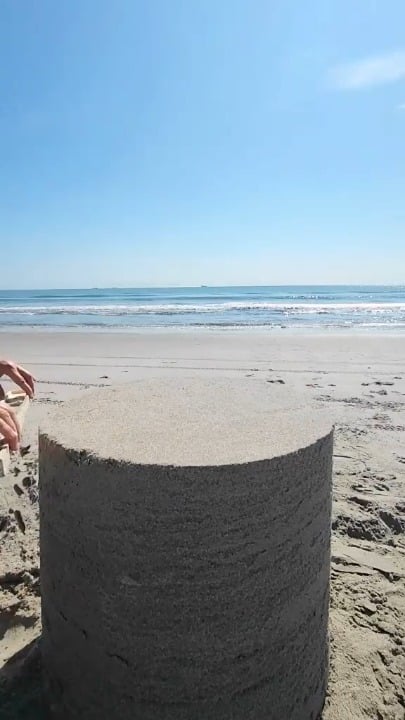
Perfectly Executed Sand Carving
As I stood on the beach, I couldn’t help but be mesmerized by the intricate sand carving that seemed to come alive in the fading light of day. The delicate details, the precision, and the sheer scale of the artwork left me wondering – how do artists create such masterpieces on a medium as ephemeral as sand? The answer, I discovered, lies in a combination of skill, patience, and a deep understanding of the intricate dance between sand, water, and wind. From the choice of sand to the technique of carving, every element plays a crucial role in bringing these temporary wonders to life.
The Art of Sand Selection
Sand, it turns out, is not just sand – the type of sand used can make all the difference in the world. Artists look for sand that is coarse enough to hold its shape, yet fine enough to allow for intricate details. The perfect sand is often found in areas where the waves have worn down the grains to a precise size, creating a texture that is both stable and malleable. The moisture content of the sand is also critical – too dry, and the sand won’t stick together; too wet, and it becomes too heavy to carve. It’s a delicate balance that requires a deep understanding of the sand’s properties and how they will behave under different conditions.
The Science of Sand Carving
But what makes sand carving possible in the first place? The answer lies in the science of capillary action – the ability of water to flow through the tiny spaces between sand grains, creating a network of tiny bridges that hold the sand together. As the water evaporates, the bridges remain, allowing the sand to retain its shape. This phenomenon, combined with the careful manipulation of the sand, enables artists to create intricate structures that seem to defy gravity. The process of carving itself is also a fascinating blend of art and science – artists use a range of techniques, from gentle scooping to precise poking, to coax the sand into the desired shape.
Temporary Masterpieces
And yet, despite the skill and craftsmanship that goes into creating these sand carvings, they are inherently temporary – subject to the whims of the wind, the waves, and the tide. It’s a poignant reminder of the fleeting nature of art and the importance of living in the moment. As I watched the sand carving being slowly eroded by the incoming tide, I felt a sense of awe and appreciation for the artists who create these temporary masterpieces. They are a testament to the human spirit – a celebration of beauty, impermanence, and the eternal cycle of creation and destruction.
As I walked away from the beach, I couldn’t help but feel grateful for the experience of witnessing such a perfectly executed sand carving. It was a reminder that even in the most ephemeral of mediums, there is beauty, wonder, and a deep connection to the natural world. And as I looked out at the sea, I knew that I would never forget the magic of that sand carving – a fleeting masterpiece that would stay with me forever.
![[OC] Removing the battery from my mobo](https://www.smartplusmedia.com/wp-content/uploads/2026/01/OC-Removing-the-battery-from-my-mobo-445x265.png)