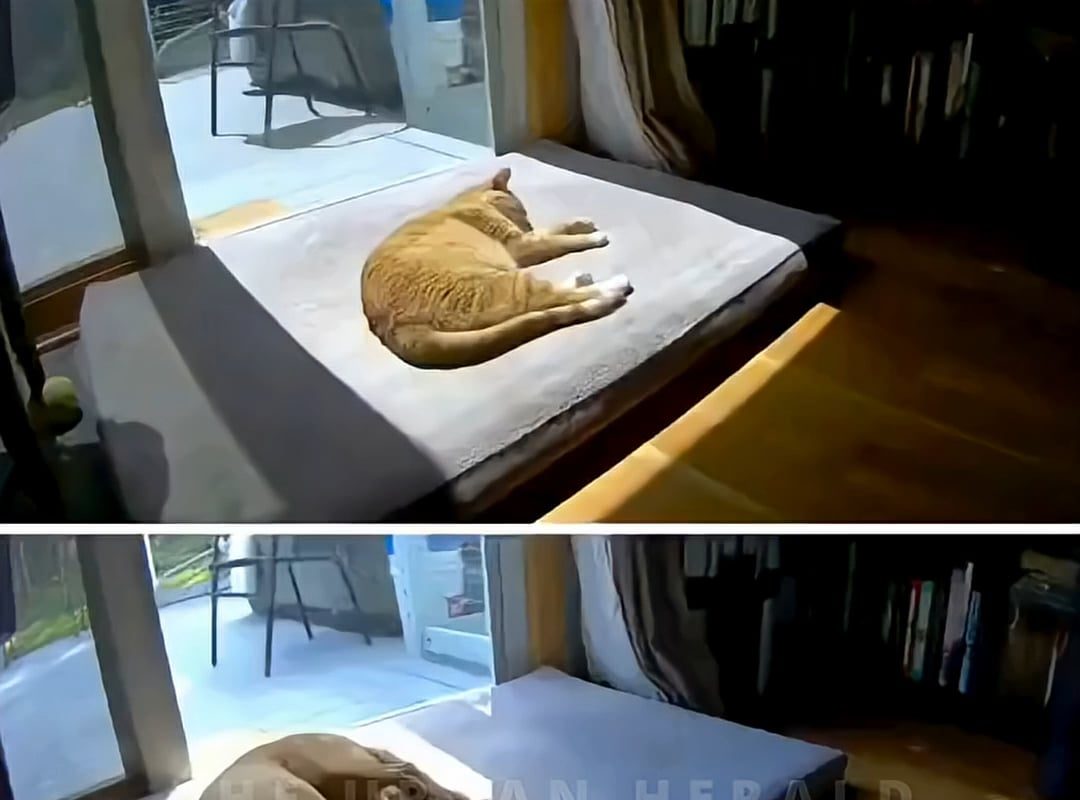
The difference between a dog joining a cat and a cat joining a dog
When it comes to introducing a new pet to the family, many of us have been there – standing nervously in the doorway, holding our breath as we wonder how our beloved furry friend will react to the newcomer. But have you ever stopped to think about the difference between a dog joining a cat and a cat joining a dog? It may seem like a subtle distinction, but trust me, it’s a fascinating one. As it turns out, the dynamics at play are vastly different depending on which pet is doing the joining, and it all comes down to their unique personalities, instincts, and communication styles.
Canine Communication: The Art of Joining a Feline Family
When a dog joins a cat, it’s often a whirlwind of excitement and energy. Dogs are social creatures that thrive on interaction and attention, so they tend to dive headfirst into their new environment, eager to make friends and play. However, this enthusiasm can sometimes be misinterpreted by our feline friends, who value their independence and personal space. Cats may view the dog’s advances as invasive or even threatening, leading to hissing, growling, or worse. To mitigate this, it’s essential to introduce the dog to the cat slowly and under controlled circumstances, allowing them to become familiar with each other’s scents, sounds, and movements. With patience and persistence, even the most unlikely of duos can learn to coexist peacefully.
Feline Flexibility: The Challenge of Joining a Canine Crew
In contrast, when a cat joins a dog, the situation is often more low-key. Cats are naturally more reserved and observant, taking their time to survey their new surroundings and get a feel for the local dynamics. They may choose to keep a safe distance from the dog, at least initially, as they assess the situation and determine whether it’s safe to approach. Meanwhile, the dog may be oblivious to the cat’s cautious nature, bounding over to say hello with their trademark enthusiasm. In this scenario, it’s crucial to respect the cat’s boundaries and allow them to set the pace, providing plenty of hiding spots and vertical space for them to retreat to when needed. By doing so, we can help the cat feel more secure and reduce the likelihood of conflict.
Harmony at Home: The Key to a Peaceful Pet Partnership
Ultimately, the key to a successful pet partnership lies in understanding and respecting the unique needs and personalities of both animals. By recognizing the differences between a dog joining a cat and a cat joining a dog, we can take steps to facilitate a smooth transition and create a harmonious home environment. Whether it’s providing separate spaces for each pet, managing resources and attention, or simply being patient and observant, the rewards of a peaceful pet partnership are well worth the effort. So the next time you’re thinking of adding a new furry friend to the family, remember to consider the intricacies of their introduction – and get ready to enjoy the joy and companionship that comes with sharing your life with multiple beloved pets.
As we navigate the complex world of pet relationships, it’s clear that every introduction is unique, with its own set of challenges and opportunities. By embracing the differences between our canine and feline companions, we can create a richer, more loving home environment that celebrates the diversity and individuality of each pet. And who knows – we may just learn a thing or two about ourselves and our own relationships along the way.