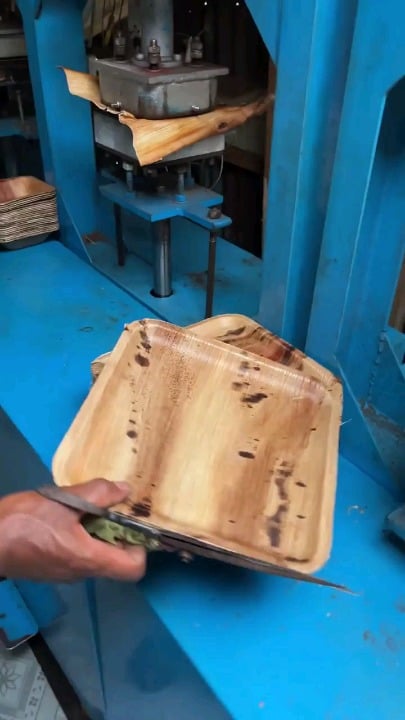
This Is How Eco-Friendly Leaf Plates Are Manufactured
As I sat down to enjoy a meal at a friend’s outdoor gathering, I couldn’t help but notice the unique plates we were using – they were made from leaves! I was amazed by the fact that these plates were not only biodegradable but also compostable, and I found myself wondering how they were made. It turns out that the process of manufacturing eco-friendly leaf plates is quite fascinating, and it’s a story worth sharing. From the harvesting of leaves to the final product, the journey of these plates is a testament to human ingenuity and the desire to reduce our impact on the environment.
The Harvesting Process
The journey of eco-friendly leaf plates begins with the harvesting of leaves, typically from trees such as teak, banyan, or fig. The leaves are carefully selected and collected, usually by hand, to ensure that they are of the right size and quality. The leaves are then cleaned and sorted, and any excess moisture is removed to prevent decay. This process is crucial, as it sets the stage for the rest of the manufacturing process. The leaves are then treated with a natural binding agent, such as cornstarch or sugarcane, to help hold them together.
Shaping and Molding
Once the leaves have been treated, they are then shaped and molded into the desired form. This can be done using a variety of techniques, including heat pressing or molding. The leaves are pressed together to form a sturdy and durable plate, and any excess leaves are trimmed away. The resulting plate is not only functional but also visually appealing, with the natural texture and pattern of the leaves still visible. The plates are then dried and treated with a natural oil to give them a waterproof coating, making them suitable for use with both hot and cold foods.
Quality Control and Distribution
Before the leaf plates are shipped out to customers, they undergo a rigorous quality control process to ensure that they meet the highest standards. The plates are checked for durability, water resistance, and overall quality, and any that do not meet the standards are recycled or composted. The plates are then packaged and distributed to customers around the world, where they can be used for a variety of purposes, from outdoor gatherings to everyday meals. The best part is that at the end of their life cycle, the plates can be easily composted, reducing waste and minimizing their impact on the environment.
As I finished my meal and disposed of my leaf plate, I felt a sense of satisfaction knowing that I had played a small part in reducing my impact on the environment. The story of eco-friendly leaf plates is a testament to the power of human innovation and the desire to create a more sustainable future. By choosing to use these plates, we can all do our part to reduce waste and minimize our impact on the planet, and that’s a story worth telling.