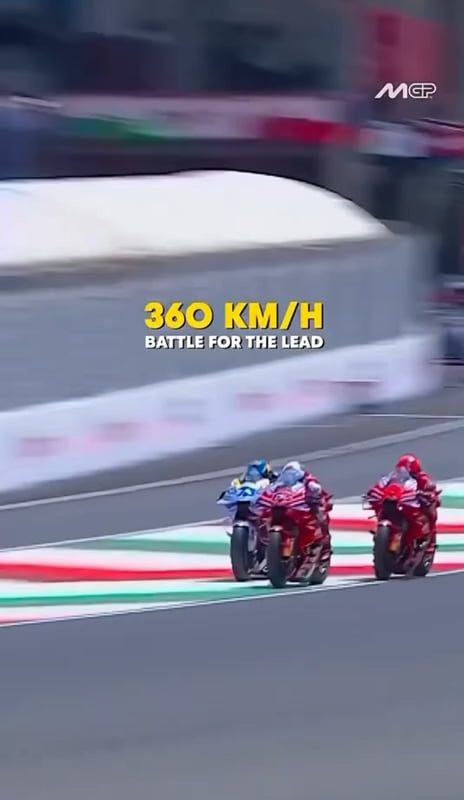
Can someone explain how they stay balanced without sliding off from underneath when they take a curve?
I still remember the first time I saw a motorcycle take a sharp turn – I was on the edge of my seat, wondering how on earth the rider managed to stay upright. It seemed like a magic trick, with the bike leaning precariously to one side and the rider somehow defying gravity. As I delved deeper into the world of motorcycling, I discovered that it’s not magic at all, but rather a combination of skill, science, and practice. So, how do motorcyclists stay balanced when taking a curve, and what’s the fascinating story behind this feat?
The Art of Countersteering
One of the key techniques used by motorcyclists to stay balanced when taking a curve is countersteering. This involves making a brief turn in the opposite direction of the curve, which may seem counterintuitive, but actually helps to initiate the turn. By doing so, the rider is able to shift the bike’s weight and create a lean angle that allows them to navigate the curve smoothly. It’s a delicate dance between the rider, the bike, and the road, requiring a deep understanding of the bike’s dynamics and the rider’s own body position.
The Science of Lean Angle
When a motorcyclist takes a curve, they need to create a lean angle that allows them to maintain balance and traction. This lean angle is determined by the speed of the bike, the radius of the curve, and the rider’s body position. The science behind it is rooted in physics, with the bike’s center of gravity, the rider’s weight, and the friction between the tires and the road all playing a crucial role. As the bike leans, the rider must adjust their body position to maintain balance, using subtle shifts in weight and pressure on the handlebars to keep the bike on course.
Practice and Experience
While the science and technique behind taking a curve on a motorcycle are fascinating, it’s ultimately practice and experience that allow riders to stay balanced and in control. Experienced motorcyclists develop a deep sense of awareness and instinct, allowing them to read the road and anticipate the bike’s behavior. They know how to adjust their speed, lean angle, and body position to navigate even the tightest curves with ease. It’s a skill that takes time and patience to develop, but with practice, riders can become incredibly proficient at taking curves and staying balanced.
As I continued to learn more about the art and science of motorcycling, I gained a newfound respect for the riders who can take curves with ease. It’s a testament to the power of human skill and ingenuity, combined with a deep understanding of the underlying physics and mechanics. Whether you’re a seasoned motorcyclist or just a curious observer, the next time you see a bike take a sharp turn, remember the fascinating story behind this feat – it’s a true marvel of balance, skill, and practice.