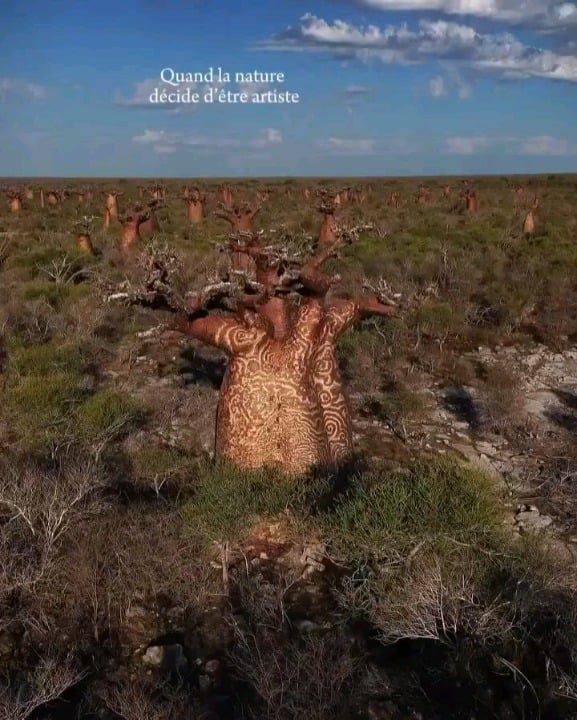
Madagascar has been geographically isolated for roughly 88 million years, resulting in exceptionally high endemism: around 90% of its plant and animal species are found nowhere else on Earth.
Imagine stepping into a world that’s been hidden away for millions of years, where the creatures and plants are so unique that they can’t be found anywhere else on the planet. Welcome to Madagascar, an island nation that’s been geographically isolated for a staggering 88 million years. This prolonged separation has given rise to an astonishing array of flora and fauna that are found nowhere else on Earth, with a mind-boggling 90% of its species being endemic. As we delve into the fascinating world of Madagascar, we begin to unravel the secrets behind its incredible biodiversity.
Island of Origins
Madagascar’s story begins around 88 million years ago, when it broke away from the supercontinent Gondwana, which also included Africa, Australia, and South America. This separation allowed the island to develop its own distinct ecosystem, free from the influence of other landmasses. Over time, the plants and animals that inhabited Madagascar evolved into unique species that adapted to the island’s diverse environments, from the lush rainforests to the arid deserts. As a result, Madagascar has become a treasure trove of biodiversity, with species that are not only found nowhere else but also exhibit remarkable characteristics that have enabled them to thrive in this isolated world.
Endemic Wonders
The sheer scale of Madagascar’s endemism is a testament to the power of geographical isolation. The island is home to an incredible array of flora, including the iconic baobab trees, the traveller’s palm, and a stunning variety of orchids. The fauna is equally impressive, with creatures like the ring-tailed lemur, the fossa (Madagascar’s top predator), and a dazzling array of bird species that can be found nowhere else. These endemic species have evolved to occupy every conceivable niche, from the tiny insectivorous lemurs to the massive elephant birds that once roamed the island. As we explore Madagascar’s natural wonders, we’re reminded of the awe-inspiring complexity and beauty of the natural world.
A Conservation Imperative
Madagascar’s unique biodiversity is facing numerous threats, from deforestation and habitat destruction to climate change and the introduction of invasive species. As we marvel at the island’s natural wonders, we’re also reminded of the urgent need to protect and conserve these incredible ecosystems. By supporting conservation efforts and promoting sustainable development, we can help ensure the long-term survival of Madagascar’s endemic species and preserve the island’s status as a biodiversity hotspot. As we look to the future, it’s clear that Madagascar’s extraordinary story is far from over – and it’s up to us to help write the next chapter in the island’s fascinating history.
As we conclude our journey through the enchanting world of Madagascar, we’re left with a profound appreciation for the island’s remarkable biodiversity and a deeper understanding of the complex forces that have shaped its unique ecosystem. With its incredible array of endemic species and its fascinating geological history, Madagascar is a true natural wonder that continues to inspire and captivate us. As we look to the future, let’s hope that we can work together to protect and preserve this incredible island, ensuring that its natural treasures remain a source of inspiration and awe for generations to come.