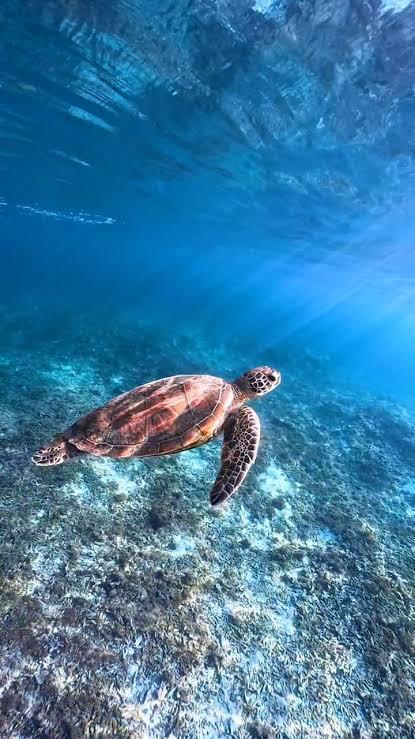
During winter hibernation, some turtles can take in oxygen directly from the water through a process called cloacal respiration, breathing through their rear.
As the winter months approach, many of us are bundling up and finding ways to stay warm and cozy. But have you ever wondered how some creatures are able to survive the harsh winter conditions without freezing to death? Take turtles, for example – they’re able to hibernate through the cold winter months, and it’s all thanks to a fascinating process that allows them to breathe in a way that’s completely unique to them. It’s called cloacal respiration, and it’s the ability to take in oxygen directly from the water through their rear end. Yes, you read that right – these turtles are essentially breathing through their butts!
The Science Behind Cloacal Respiration
Cloacal respiration is a complex process that involves the turtle’s cloaca, a multi-purpose opening that’s used for reproduction, digestion, and excretion. During hibernation, the turtle’s metabolism slows down dramatically, and they’re able to survive on a limited amount of oxygen. The cloaca is richly supplied with blood vessels, which allows it to absorb oxygen from the water. This oxygen is then transported to the rest of the turtle’s body, allowing them to survive for months without taking a breath. It’s an incredible adaptation that’s allowed turtles to thrive in environments where other animals would quickly succumb to the cold.
How Turtles Prepare for Hibernation
So, how do turtles prepare for this long period of hibernation? As the weather starts to cool down, turtles will begin to slow down their activity levels and start looking for a safe place to burrow into the mud. They’ll dig themselves into a cozy little nest, where they’ll remain for the entire winter. During this time, their heart rate will slow down dramatically, and their metabolism will drop to a fraction of its normal rate. This allows them to conserve energy and survive on the limited oxygen that’s available to them. It’s an incredible example of how animals are able to adapt to their environments, and it’s a testament to the remarkable resilience of these incredible creatures.
The Importance of Cloacal Respiration
Cloacal respiration is more than just a clever trick that turtles use to survive the winter – it’s a vital adaptation that’s allowed them to thrive in environments where other animals would struggle to survive. By being able to absorb oxygen from the water, turtles are able to survive for months without taking a breath, which gives them a huge advantage over other animals. It’s also a fascinating example of how animals are able to evolve and adapt to their environments, and it’s a reminder of the incredible diversity and complexity of life on our planet.
As we marvel at the incredible ability of turtles to breathe through their rear ends, it’s a reminder of the amazing diversity and complexity of life on our planet. From the frozen tundra to the deepest oceans, there are countless examples of animals that have evolved incredible adaptations to survive and thrive in their environments. And who knows – maybe one day we’ll discover even more incredible secrets about the natural world, and we’ll be amazed all over again by the incredible creatures that call our planet home.