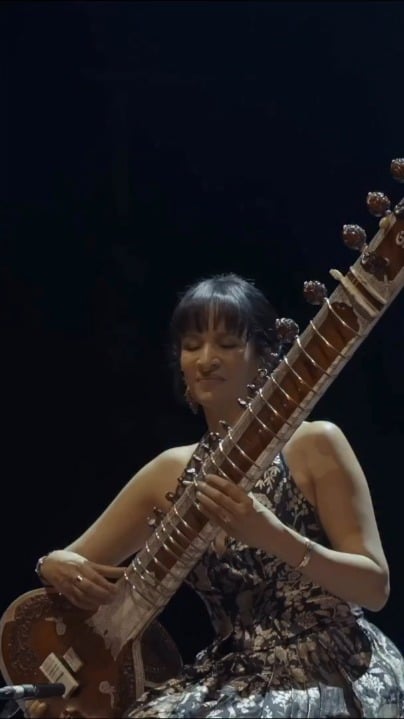
Sitar, an Indian classical music instrument as played by Anoushka Shankar.
As I sat in the concert hall, mesmerized by the enchanting sounds of the sitar, I couldn’t help but wonder about the rich history and cultural significance behind this incredible Indian classical music instrument. The sitar, with its distinctive resonator and intricate carvings, seemed to come alive in the hands of the talented Anoushka Shankar, transporting the audience to a world of beauty and elegance. With each note, I felt myself being drawn into a world of ancient traditions and timeless melodies, and I was determined to learn more about the fascinating story behind this iconic instrument.
The Sitar’s Ancient Roots
The sitar has a long and storied history, dating back to the 16th century in the Mughal Empire. Its name is derived from the Persian word “setar,” meaning “three-stringed,” although the modern sitar typically has 18, 19 or 20 strings. The instrument is believed to have evolved from the veena, an ancient Indian stringed instrument, and has since become an integral part of Indian classical music. The sitar’s unique sound is characterized by its sympathetic strings, which resonate with the played strings to create a rich, harmonious sound. Anoushka Shankar, with her mastery of the sitar, has helped to introduce this incredible instrument to a new generation of music lovers, and her performances are a testament to the sitar’s enduring beauty and appeal.
The Science of Sound
So, what makes the sitar’s sound so unique and captivating? The answer lies in the instrument’s intricate design and the science of sound production. The sitar’s resonator, typically made from a gourd or wood, amplifies and modifies the sound of the strings, creating a distinctive timbre. The sympathetic strings, which are typically tuned to the notes of the raga being played, add a layer of depth and complexity to the sound, creating an otherworldly effect. When Anoushka Shankar plays the sitar, her fingers seem to dance across the frets, coaxing out a wide range of tonal colors and emotions from the instrument. It’s a truly mesmerizing experience, and one that highlights the sitar’s status as one of the most expressive and versatile instruments in the world of music.
A Legacy of Innovation
Anoushka Shankar’s music is not only a testament to her own incredible talent, but also a reflection of the sitar’s rich cultural heritage. Her father, the legendary Ravi Shankar, was a pioneer of Indian classical music, and his collaborations with Western musicians helped to introduce the sitar to a global audience. Anoushka Shankar has continued this legacy, pushing the boundaries of the sitar and exploring new sounds and styles. Her music is a fusion of traditional and modern, East and West, and it’s an inspiring reminder of the power of music to bridge cultures and transcend borders. As I left the concert hall, I felt grateful for the experience, and I knew that the sitar’s enchanting sounds would stay with me forever.
As I reflect on the sitar and its incredible history, I am reminded of the transformative power of music to touch our hearts and minds. The sitar, with its ancient roots and timeless beauty, is an instrument that continues to inspire and captivate audiences around the world. And with talented musicians like Anoushka Shankar at the helm, its legacy is in good hands, ensuring that the sitar’s enchanting sounds will continue to mesmerize and delight us for generations to come.