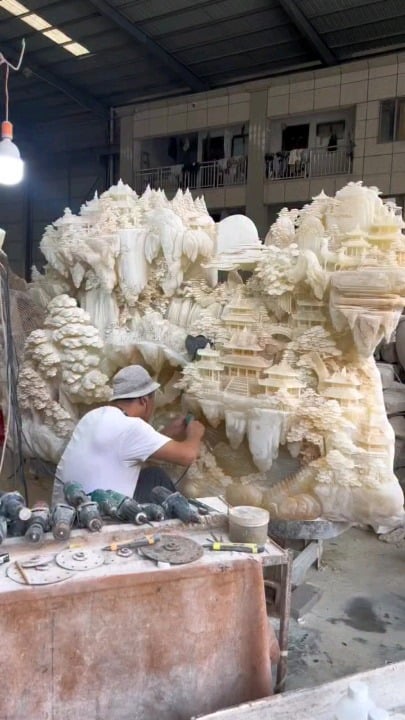
White jade carving in China
As I wandered through the bustling streets of Beijing, I stumbled upon a small, unassuming shop tucked away in a quiet alley. The sign above the door read “White Jade Carvings,” and I couldn’t resist the urge to venture inside. The shop was dimly lit, with soft music playing in the background, and the air was thick with the scent of incense. The owner, an elderly man with kind eyes, greeted me warmly and invited me to explore his collection of exquisite white jade carvings. As I marveled at the intricate designs and delicate patterns, I couldn’t help but wonder about the history and significance of this ancient Chinese art form.
Ancient Origins
White jade carving has a rich and fascinating history in China, dating back over 3,000 years. The use of jade in Chinese culture is deeply rooted in symbolism and spirituality, with the stone often associated with good fortune, prosperity, and longevity. During the Han Dynasty, white jade was highly prized for its beauty and durability, and skilled artisans would spend years perfecting their craft to create intricate carvings and sculptures. The process of carving white jade is painstakingly slow, requiring great patience and attention to detail, as the stone is extremely hard and difficult to work with. Despite the challenges, Chinese artisans have continued to push the boundaries of this ancient art form, creating breathtakingly beautiful pieces that are highly sought after by collectors and connoisseurs around the world.
Symbolism and Significance
In Chinese culture, white jade is often associated with the yin principle, representing calmness, serenity, and clarity. The stone is also believed to possess healing properties, with many people wearing white jade jewelry or carrying small carvings as talismans to ward off evil spirits and bring good fortune. The intricate designs and patterns that adorn white jade carvings are often imbued with symbolic meaning, telling stories of mythological creatures, legendary heroes, and ancient myths. From the majestic dragon to the humble plum blossom, each motif is carefully crafted to convey a specific message or theme, adding an extra layer of depth and meaning to these already exquisite pieces.
Modern Revival
Today, white jade carving is experiencing a modern revival, with a new generation of Chinese artisans pushing the boundaries of this ancient art form. Using traditional techniques combined with modern tools and materials, these skilled craftsmen are creating stunningly beautiful pieces that blend traditional motifs with contemporary themes and designs. From delicate pendants to intricate sculptures, white jade carvings continue to captivate audiences around the world with their beauty, elegance, and timeless appeal. As I left the small shop in Beijing, I couldn’t help but feel grateful for the opportunity to experience this ancient Chinese art form, and I look forward to seeing how it will continue to evolve and thrive in the years to come.
As I reflect on my encounter with white jade carving, I am reminded of the power of art to transcend time and culture, speaking to something deep within us. Whether you are an avid collector, a curious enthusiast, or simply someone who appreciates beauty, white jade carving has something to offer. With its rich history, symbolic significance, and breathtaking beauty, this ancient Chinese art form is sure to continue captivating audiences for generations to come, inviting us to slow down, appreciate the beauty in the world around us, and connect with the timeless traditions that shape our shared human experience.