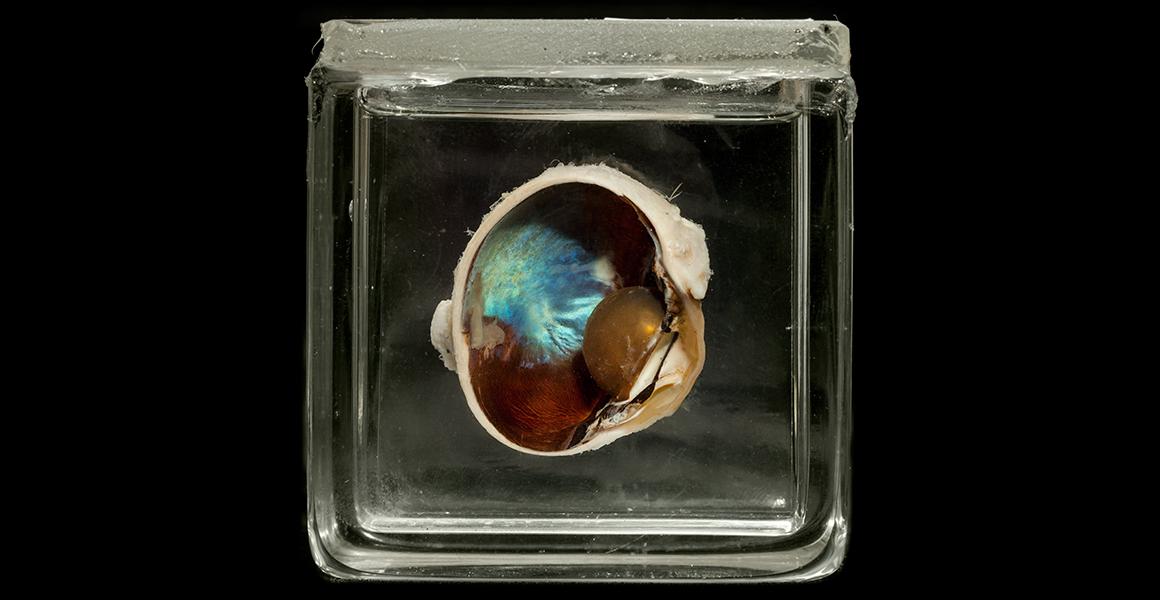
Reindeer are the only known mammals whose eyes seasonal change color – from gold in the summer to a deep blue in the winter, making the eye up to 1,000x more sensitive to light in near-total darkness conditions.
Have you ever wondered how reindeer manage to navigate the Arctic wilderness during the harsh winter months when the sun barely rises above the horizon? It’s a question that has fascinated scientists and animal enthusiasts alike for years, and the answer lies in a truly remarkable adaptation – the reindeer’s ability to change the color of its eyes with the seasons. In the summer, their eyes are a bright gold, but as the days grow shorter and darker, they transform into a deep blue, allowing the reindeer to see in near-total darkness. This incredible phenomenon makes their eyes up to 1,000 times more sensitive to light, giving them a unique advantage in the harsh Arctic environment.
The Science Behind the Color Change
The reason behind this seasonal color change is rooted in the structure of the reindeer’s eyes. In the summer, the reflective layer in the back of their eyes, known as the tapetum lucidum, is filled with tiny crystals that reflect gold light, giving their eyes a bright yellowish hue. However, as the days grow shorter and the sun’s rays become more scarce, the crystals in the tapetum lucidum change, reflecting blue light instead. This change allows the reindeer’s eyes to become more sensitive to the limited light available, helping them to detect even the smallest amounts of illumination in the dark Arctic landscape.
Adaptation to the Arctic Environment
The reindeer’s ability to change the color of its eyes is just one of the many adaptations that have allowed it to thrive in the harsh Arctic environment. Their thick coats, specialized hooves, and unique digestive system all play a crucial role in their survival, but their eyes are perhaps the most remarkable feature of all. By being able to see in near-total darkness, reindeer are able to find food, avoid predators, and navigate their surroundings with ease, even in the most challenging conditions. This adaptation is a testament to the incredible resilience and adaptability of these amazing creatures.
A Unique Advantage in the Wild
The reindeer’s seasonal eye color change is not just a fascinating phenomenon – it’s also a vital survival strategy. In the Arctic wilderness, the ability to see in low light conditions can mean the difference between life and death. By having eyes that are up to 1,000 times more sensitive to light, reindeer are able to detect even the smallest amounts of illumination, giving them a unique advantage over other animals. This adaptation has allowed them to thrive in one of the most inhospitable environments on Earth, and it’s a reminder of the incredible diversity and complexity of the natural world.
As we marvel at the reindeer’s incredible ability to change the color of its eyes, we’re reminded of the awe-inspiring complexity and beauty of the natural world. The reindeer’s seasonal eye color change is just one of the many fascinating adaptations that have evolved in response to the challenges of the Arctic environment, and it’s a powerful reminder of the incredible resilience and adaptability of life on Earth. Whether you’re a scientist, an animal enthusiast, or simply someone who appreciates the wonders of the natural world, the reindeer’s remarkable eyes are sure to inspire and delight, and they’re a testament to the magic and mystery that still awaits us in the unexplored corners of our planet.