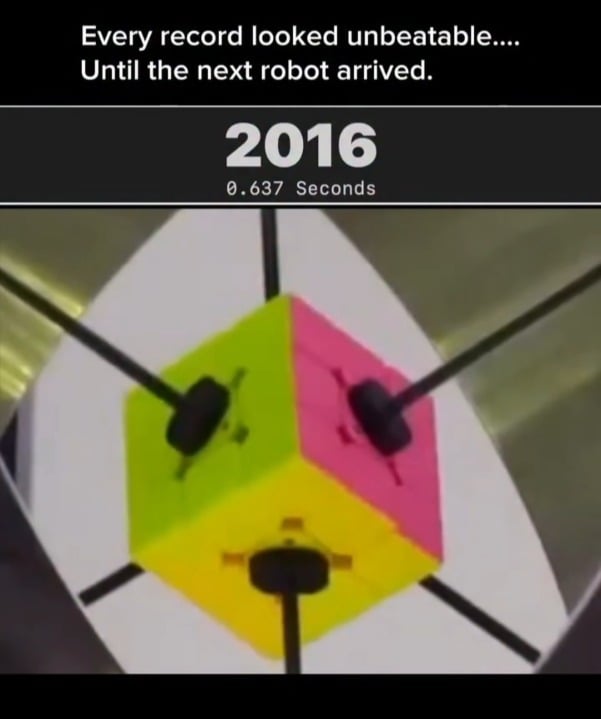
Evolution of rubic cube robot throughout the years.
The Rubik’s Cube – a puzzle that has been fascinating people for decades, and one that has also sparked the imagination of robotics engineers and enthusiasts alike. Who would have thought that a simple cube with rotating sides could lead to the development of sophisticated robots that can solve it in a matter of seconds? The evolution of Rubik’s Cube robots is a story of human ingenuity, creativity, and the relentless pursuit of innovation. From humble beginnings to the current crop of speedcubing robots, the journey has been nothing short of remarkable. As we delve into the history of these robots, we’ll discover how they’ve become faster, smarter, and more efficient over the years.
The Early Days of Cube Robots
The first Rubik’s Cube robots emerged in the 1980s, shortly after the puzzle’s invention. These early robots were clunky, slow, and often relied on manual input to solve the cube. They were more like automated arms that could rotate the cube’s sides, rather than true robots that could think and act on their own. Despite their limitations, these pioneering robots paved the way for future innovations. As computer power and artificial intelligence improved, so did the capabilities of cube robots. They began to incorporate sensors, algorithms, and machine learning techniques to solve the cube more efficiently. The stage was set for a new generation of robots that could solve the cube at unprecedented speeds.
The Rise of Speedcubing Robots
The 21st century saw the dawn of speedcubing robots, which could solve the Rubik’s Cube in a matter of seconds. These robots used advanced algorithms, high-speed motors, and sophisticated sensors to analyze the cube and make lightning-fast moves. The current Guinness World Record for the fastest Rubik’s Cube solve by a robot stands at an astonishing 0.38 seconds. This is made possible by the use of high-speed cameras, advanced computer vision, and cleverly designed mechanical systems. Speedcubing robots have become a staple of robotics competitions and exhibitions, wowing audiences with their speed and agility. But what’s even more impressive is the science behind these robots, which has led to breakthroughs in fields like computer vision, machine learning, and robotics.
The Future of Cube Robots
So, what’s next for Rubik’s Cube robots? As AI and robotics continue to advance, we can expect to see even more sophisticated cube-solving machines. Perhaps future robots will be able to solve the cube in under 0.1 seconds, or even tackle more complex puzzles like the 4x4x4 or 5x5x5 cubes. The possibilities are endless, and the evolution of Rubik’s Cube robots is a testament to human curiosity and ingenuity. As we look to the future, one thing is certain – the Rubik’s Cube will continue to inspire and fascinate us, and the robots that solve it will remain a source of wonder and awe. The story of Rubik’s Cube robots is a reminder that even the most seemingly simple puzzles can lead to remarkable innovations, and that the pursuit of solving them can drive us to create something truly amazing.
The Rubik’s Cube robot has come a long way since its humble beginnings, and its evolution is a fascinating tale of human innovation and creativity. From slow and clunky machines to speedcubing wonders, these robots have captivated audiences and inspired new generations of engineers and enthusiasts. As we continue to push the boundaries of what’s possible, we can’t help but wonder what the future holds for these incredible machines. One thing is certain, though – the Rubik’s Cube will remain an iconic symbol of puzzle-solving and innovation, and the robots that solve it will always be a source of fascination and delight.