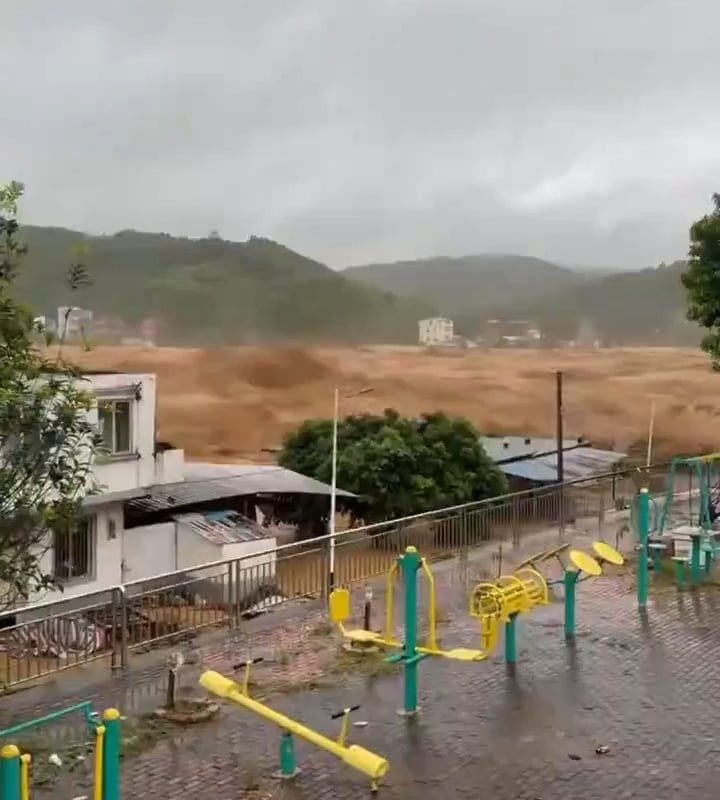
A dam collapsed in China’s Guangxi region after heavy rains caused by a typhoon.
The sheer force of nature never ceases to amaze and humble us, and the recent dam collapse in China’s Guangxi region is a stark reminder of this power. As a typhoon brought heavy rains to the area, the dam’s structural integrity was put to the test, ultimately leading to a catastrophic failure that has left many in the region reeling. But what exactly happened, and how does this event fit into the larger context of China’s complex relationship with its water resources?
The Science Behind the Collapse
The Guangxi region is no stranger to heavy rainfall, and the area’s unique geology makes it particularly prone to flooding and landslides. The recent typhoon that swept through the region brought with it torrential rains that put an enormous amount of pressure on the dam, causing it to collapse under the sheer weight of the water. But what’s fascinating is that this event is not just a simple case of a dam failing under pressure – it’s also a complex interplay of geological and meteorological factors that have been building up over time. The region’s karst landscape, characterized by soluble rocks like limestone and dolomite, makes it particularly vulnerable to erosion and flooding, and the heavy rains only served to exacerbate this existing condition.
A Region on the Brink
The Guangxi region is not only a hotspot for natural disasters, but it’s also a region of immense cultural and economic significance. The area is home to a diverse array of ethnic minority groups, each with their own unique customs and traditions, and the region’s stunning natural beauty makes it a popular destination for tourists. However, this delicate balance between nature and human activity is under threat from the increasing frequency and severity of extreme weather events like typhoons and floods. As the region struggles to come to terms with the aftermath of the dam collapse, it’s clear that more needs to be done to mitigate the effects of these events and protect the region’s vulnerable communities and ecosystems.
A Call to Action
So what can be learned from this tragic event, and how can we work to prevent similar disasters from occurring in the future? For one, it’s clear that more needs to be done to invest in disaster preparedness and mitigation measures, particularly in regions like Guangxi that are prone to extreme weather events. This includes not only strengthening infrastructure like dams and levees, but also implementing early warning systems and evacuation protocols to protect vulnerable communities. By working together to address these challenges, we can help to build more resilient communities and reduce the risk of devastating events like the Guangxi dam collapse.
As we reflect on the devastating consequences of the dam collapse in Guangxi, it’s clear that this event is more than just a tragic accident – it’s a wake-up call to the importance of respecting and protecting our natural environment. By learning from this event and working to address the underlying causes of these disasters, we can help to build a safer, more sustainable future for all. Whether you’re a scientist, a policymaker, or simply a concerned citizen, there’s never been a more important time to get involved and make a difference – the future of our planet depends on it.