There are more trees on Earth than stars in the entire Milky Way galaxy. While our galaxy holds roughly 100 to 400 billion stars, Earth boasts an estimated 3 trillion trees
Have you ever stopped to think about the sheer scale of our planet’s natural wonders? I was blown away when I stumbled upon a mind-boggling fact: there are more trees on Earth than stars in the entire Milky Way galaxy. Yes, you read that right – while our galaxy holds roughly 100 to 400 billion stars, Earth boasts an estimated 3 trillion trees. This got me wondering, what’s the story behind these incredible numbers, and what can we learn from the fascinating world of trees and stars?
The Cosmic Scale
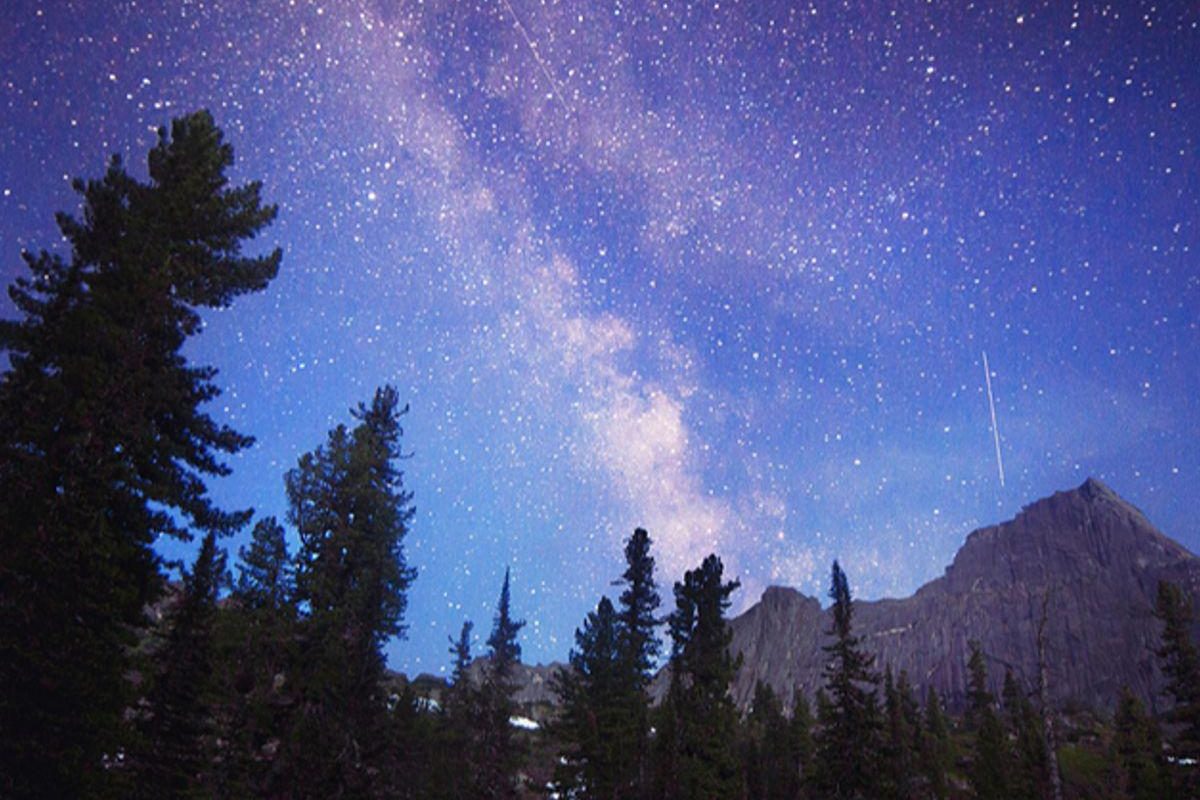
Let’s start with the stars. The Milky Way galaxy, our home in the universe, is a massive spiral galaxy consisting of hundreds of billions of stars. These stars come in all shapes and sizes, from small, cool red dwarfs to massive, blazing blue giants. The exact number of stars in the Milky Way is still a topic of debate among astronomers, but estimates suggest that there are between 100 and 400 billion stars. This number is staggering, but it’s dwarfed by the number of trees on our planet. The sheer scale of the universe is awe-inspiring, and it’s humbling to think that our planet, with its 3 trillion trees, is just a tiny part of it.
The Forests of Earth
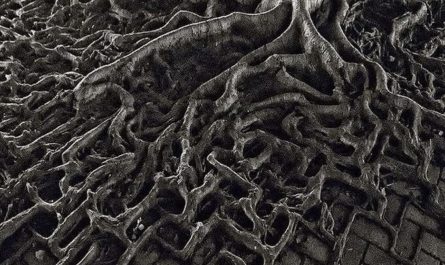
So, how did we end up with so many trees on our planet? The answer lies in the incredible diversity and adaptability of trees. From the frozen tundras of the Arctic to the scorching deserts of the Sahara, trees can be found in almost every environment on Earth. They come in all shapes and sizes, from the towering coastal redwoods of California to the tiny, shrub-like trees of the Arctic tundra. Trees play a vital role in our ecosystem, providing oxygen, food, and shelter for countless species of plants and animals. They also help to regulate the climate, absorb carbon dioxide, and prevent soil erosion. It’s no wonder that trees are often referred to as the lungs of the Earth.
A New Perspective
The fact that there are more trees on Earth than stars in the Milky Way galaxy gives us a new perspective on the natural world. It’s a reminder that our planet is teeming with life, and that even the most seemingly insignificant organisms, like trees, play a vital role in the grand scheme of things. It’s also a call to action, reminding us of the importance of preserving and protecting our planet’s natural wonders. As we continue to explore the universe and push the boundaries of human knowledge, let’s not forget the incredible beauty and diversity that surrounds us right here on Earth. So next time you’re out for a walk, take a moment to appreciate the trees around you – they’re truly one of the most amazing things about our planet.
As I reflect on the incredible number of trees on our planet, I’m filled with a sense of wonder and awe. The fact that there are more trees on Earth than stars in the Milky Way galaxy is a powerful reminder of the beauty and complexity of the natural world. It’s a call to action, encouraging us to appreciate, preserve, and protect the incredible diversity of life on our planet. So let’s all take a moment to appreciate the trees around us, and to marvel at the incredible scale and beauty of the universe we inhabit.