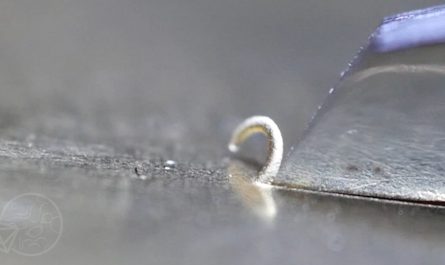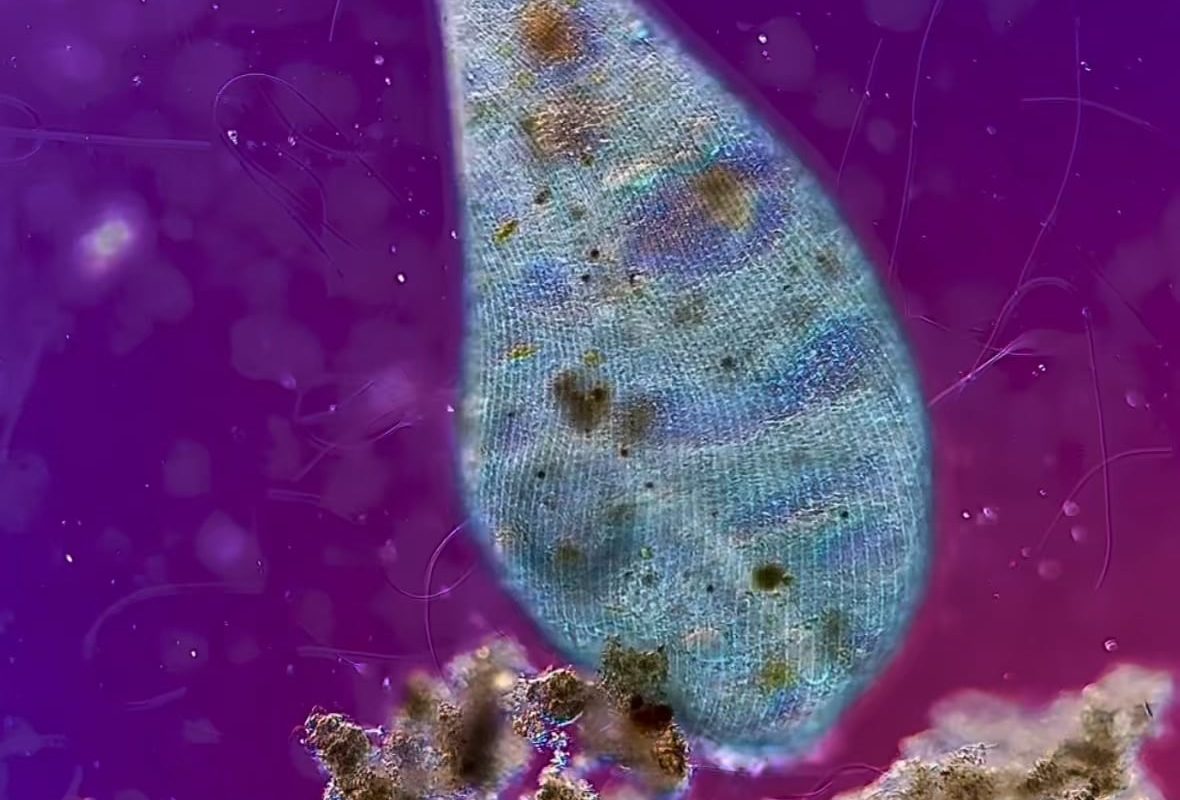
This single-celled protozoan passing by another one under a microscope
As I peered through the lens of my microscope, I couldn’t help but feel a sense of wonder at the tiny world unfolding before my eyes. A single-celled protozoan, its delicate membrane glistening in the light, glided effortlessly across the slide, leaving a trail of ripples in its wake. And then, in a moment that seemed almost like a chance encounter, it passed by another of its kind, their paths crossing in a fleeting instant of cellular curiosity. It was as if I had stumbled upon a secret meeting of microscopic minds, a hidden realm where the rules of our macroscopic world no longer applied.
The Fascinating World of Protozoa
Protozoa, the single-celled organisms that inhabit this microscopic realm, have been a source of fascination for scientists and enthusiasts alike for centuries. These tiny creatures, which can be found in almost every environment on Earth, from the freezing tundra to the hottest deserts, are capable of surviving and thriving in conditions that would be hostile to most other forms of life. With their unique blend of plant-like and animal-like characteristics, protozoa have evolved an astonishing array of strategies to capture food, evade predators, and adapt to their surroundings. From the whip-like flagella that propel them through the water to the intricate networks of pseudopodia that allow them to crawl and feed, every aspect of protozoan biology seems to be a testament to the incredible diversity and resilience of life on Earth.
Cellular Encounters and the Dance of Life
As I watched the two protozoa pass each other under the microscope, I couldn’t help but wonder what was happening at a cellular level. Were they communicating with each other, exchanging chemical signals or even touching each other’s membranes? The dance of life at this scale is a complex and mysterious one, with cells constantly interacting and responding to their environment in ways that are still not fully understood. And yet, despite the complexity of these interactions, there is a beauty and simplicity to the way that cells move and behave, a sense of purpose and direction that is both captivating and humbling to observe.
Unveiling the Secrets of the Microscopic World
As scientists continue to explore the microscopic world, they are uncovering secrets that have the potential to revolutionize our understanding of biology, ecology, and even medicine. From the discovery of new species and ecosystems to the development of novel therapies and technologies, the study of protozoa and other microorganisms is an exciting and rapidly evolving field that promises to reveal new wonders and insights in the years to come. And as I sat there, mesmerized by the gentle glide of the protozoa across the slide, I couldn’t help but feel grateful for the opportunity to glimpse this hidden world, and to ponder the many secrets that still lie waiting to be uncovered.
As I finally tore my gaze away from the microscope, I felt a sense of awe and appreciation for the tiny, often-overlooked creatures that inhabit our world. The single-celled protozoan, with its simple yet fascinating biology, had reminded me of the beauty and complexity of life at all scales, from the smallest microbe to the mightiest ecosystem. And as I reflected on the encounter between the two protozoa, I realized that even in the most fleeting of moments, there is a depth and richness to the natural world that is waiting to be explored, appreciated, and cherished.