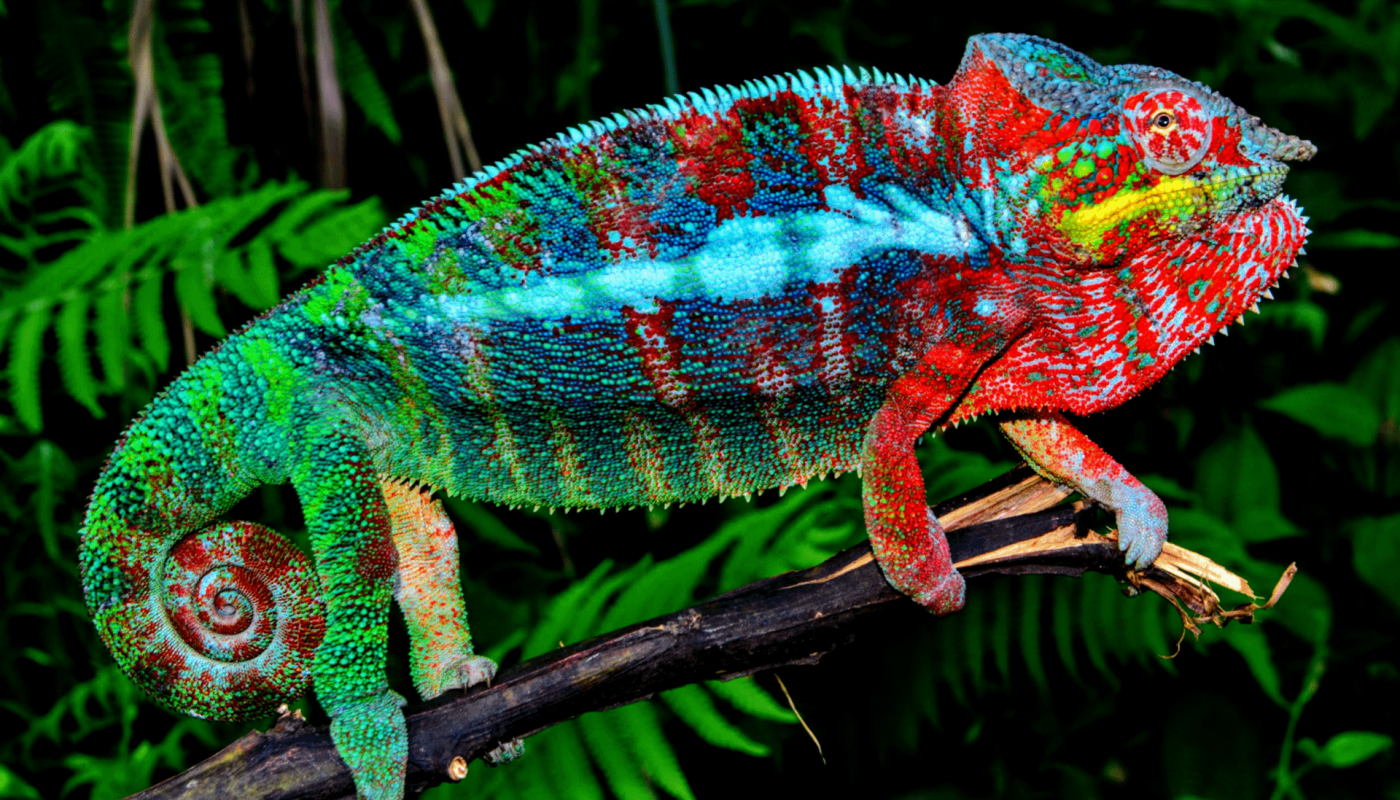
This Chameleon
I’ll never forget the first time I saw a chameleon in person – its eyes locked onto mine, and I swear it gave me a little nod of acknowledgement before turning a lovely shade of pink to match the flowers behind it. It was like having a private conversation with a tiny, scaly magician. As I delved deeper into the world of these incredible creatures, I discovered that there’s so much more to them than just their famous color-changing abilities. In fact, the story of this chameleon is a fascinating tale of evolution, adaptation, and survival.
The Master of Disguise
One of the most remarkable things about chameleons is their ability to change color, which they use for communication, camouflage, and even to regulate their body temperature. But what’s really interesting is that they don’t actually change the color of their skin – instead, they expand or contract specialized cells called chromatophores that contain pigments, allowing them to reflect different wavelengths of light. It’s like they have a built-in, high-tech light show that they can control at will. And it’s not just about turning pink or blue – chameleons can create intricate patterns and textures to blend in with their surroundings, making them nearly invisible in the wild.
Ancient Lineage
Chameleons have been around for a long time – fossil records show that they’ve remained largely unchanged for over 100 million years, making them one of the most ancient lizard families on the planet. And despite their alien-like appearance, they’re actually quite closely related to iguanas and monitor lizards. But what’s really cool is that chameleons have evolved to occupy a unique niche in their ecosystems, with specialized features like their zygodactylous feet (which have two toes that point in one direction and three in the other, allowing them to grip branches like a pair of built-in clamps) and their incredibly long, sticky tongues that they use to catch prey. It’s like they’ve been perfectly engineered to thrive in their environments.
Conservation Concerns
Unfortunately, many chameleon species are facing serious threats in the wild, including habitat destruction, pollution, and the pet trade. Some species are even considered endangered, which is a tragedy given their importance in their ecosystems and their fascinating biology. But there’s hope – conservation efforts are underway to protect chameleon habitats and reduce the demand for wild-caught animals, and researchers are working to learn more about these incredible creatures and how we can help them thrive. By supporting these efforts and learning more about the amazing world of chameleons, we can all play a role in ensuring that these incredible animals continue to fascinate and inspire us for generations to come.
As I look back on my encounter with that first chameleon, I’m reminded of the magic and wonder that these creatures inspire. With their incredible abilities, fascinating biology, and ancient lineage, it’s no wonder that chameleons have captured the hearts of so many people around the world. Whether you’re a seasoned herpetologist or just someone who appreciates the beauty of nature, there’s no denying the allure of these incredible animals – and by learning more about them, we can all gain a deeper appreciation for the amazing world of reptiles and the importance of conservation.