The impressive hovering ability of a kestrel
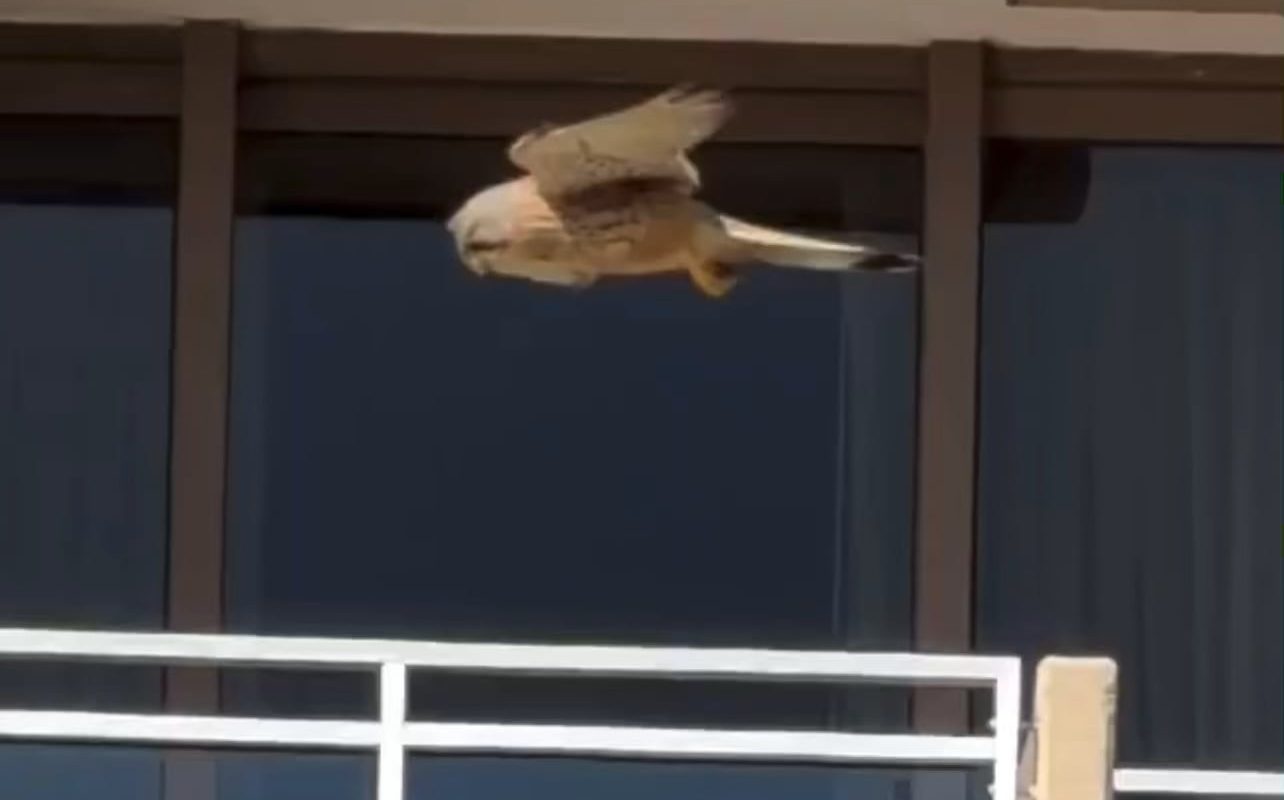
As I stood in the open field, gazing up at the sky, I was mesmerized by a tiny, yet fierce creature – the kestrel. This small falcon, with its striking plumage and piercing eyes, was performing an aerial dance, effortlessly hovering in mid-air. Its wings beat at an astonishing rate, creating a blur of motion as it remained perfectly still, suspended above the ground. I couldn’t help but wonder, what makes this bird so adept at defying gravity? The kestrel’s impressive hovering ability is a testament to its remarkable adaptability and unique physiology, honed over centuries to thrive in a world where stillness can be a matter of life and death.
The Science Behind Hovering
The kestrel’s ability to hover is rooted in its incredible wing structure and powerful muscles. Its wings are long and narrow, with a curved shape that allows for maximum lift and maneuverability. As the kestrel beats its wings, it creates a vortex of air above and below, generating an upward force that counteracts its weight. This phenomenon, known as the “wingtip vortex,” is crucial for the kestrel’s hovering ability, as it creates a region of low air pressure above the wing, allowing the bird to remain suspended. The kestrel’s powerful chest muscles, which account for up to 30% of its body weight, enable it to flap its wings at an astonishing rate of up to 80 times per second, making it one of the fastest wing-beaters in the bird world.
Adaptation and Survival
The kestrel’s hovering ability is not just an impressive party trick; it’s a vital survival strategy. By remaining still in mid-air, the kestrel can scan the ground below for signs of movement, spotting small prey like mice, voles, and insects. This unique ability allows the kestrel to hunt in areas where other birds of prey cannot, making it a formidable predator in its ecosystem. Additionally, the kestrel’s hovering ability also serves as a form of communication and courtship display, with males performing elaborate aerial dances to attract females and establish territory.
Conservation and Appreciation
As I watched the kestrel soar and hover in the sky, I was reminded of the importance of preserving and appreciating these incredible creatures. Kestrels are found on every continent except Antarctica, and their populations are often threatened by habitat destruction, pollution, and climate change. By learning more about the kestrel’s impressive hovering ability and its role in the ecosystem, we can gain a deeper appreciation for the natural world and the importance of conservation efforts. As I stood there, mesmerized by the kestrel’s aerial acrobatics, I felt a sense of awe and wonder at the incredible diversity and complexity of the natural world, and a renewed commitment to protecting and preserving it for future generations.
As I walked away from the field, I couldn’t shake the image of the kestrel hovering in mid-air, its wings beating rapidly as it scanned the ground below. It was a truly humbling experience, a reminder of the incredible beauty and complexity of the natural world. The kestrel’s impressive hovering ability is a testament to the wonders of evolution and adaptation, and a powerful reminder of the importance of preserving and appreciating the incredible diversity of life on our planet.