Bonus fun fact – I also only learnt this week couscous is not in fact a grain like rice but is actually more like pasta
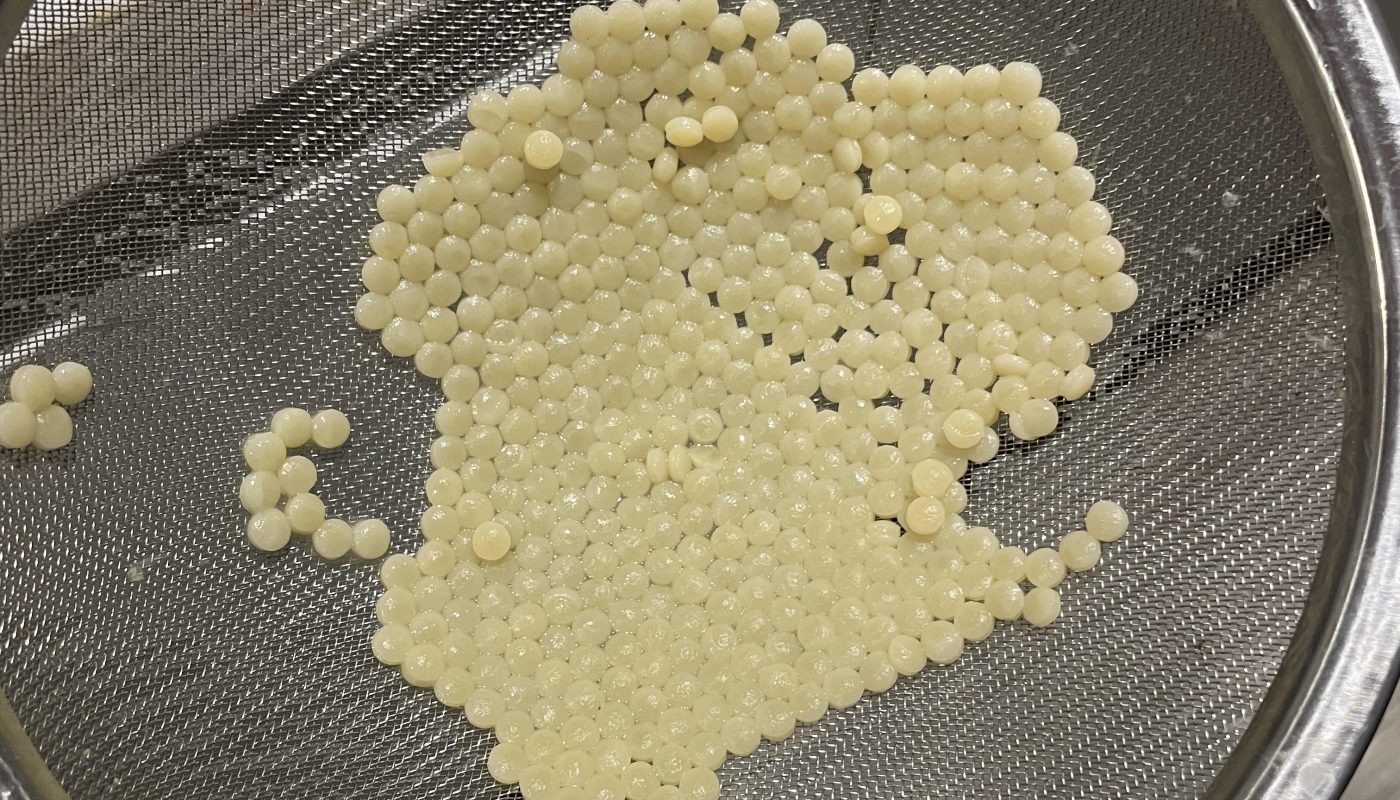
I still can’t get over the fascinating sight that greeted me in my kitchen the other day – a dish of couscous that had formed a beautiful, intricate tessellating pattern all by itself. As I stared at the perfectly arranged, interlocking pieces of semolina flour, I couldn’t help but wonder how this had happened. Was it just a coincidence, or was there something more to it? I decided to dig deeper and uncover the story behind this culinary curiosity.
The Science of Tessellations
Tessellations are repeating patterns of shapes that fit together without overlapping, and they can be found in nature, art, and even architecture. But what’s really interesting is that tessellations can also occur spontaneously, as a result of physical processes like crystallization or, in this case, the sticking together of tiny particles. It turns out that when the couscous was cooked, the starches on its surface became sticky, causing the individual grains to cling to each other. As the couscous cooled and dried, the grains began to arrange themselves into a pattern that minimized their surface energy – and voilà, a tessellation was born!
A Brief History of Tessellations
Tessellations have been a source of fascination for humans for thousands of years. From the intricate mosaics of ancient Roman floors to the stunning geometric patterns of Islamic art, tessellations have been used to create beautiful and meaningful designs. In fact, the word “tessellation” itself comes from the Latin “tessella,” meaning “small square stone.” But tessellations aren’t just limited to art and architecture – they also appear in the natural world, in the arrangements of atoms in crystals, the patterns of seeds in a sunflower, and even the structure of DNA.
The Beauty of Serendipity
As I gazed at my tessellating couscous, I was struck by the beauty of serendipity – the way that unexpected events can lead to surprising and delightful outcomes. Who would have thought that a simple dish of cooked semolina flour could hold such secrets and stories? And yet, as I delved deeper into the world of tessellations, I realized that this was just one example of the many fascinating patterns and processes that surround us, waiting to be discovered. So the next time you’re cooking up a storm in the kitchen, keep an eye out for those unexpected moments of beauty – you never know what wonders you might uncover!
As I finished my exploration of the tessellating couscous, I couldn’t help but feel a sense of wonder and awe at the intricate web of patterns and processes that underlies our everyday lives. Whether it’s the arrangement of atoms in a crystal or the sticking together of tiny grains of semolina flour, there’s always more to discover, more to explore, and more to marvel at. And who knows – maybe your next meal will hold a secret or two, just waiting to be uncovered!