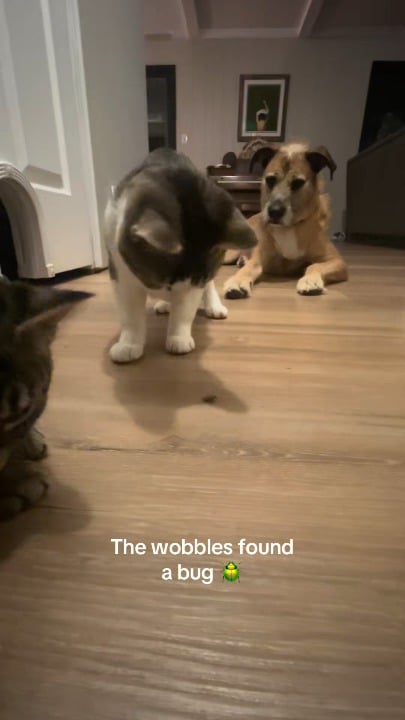
Wobbly Cats with Cerebellar hypoplasia trying to catch a bug.
I’ll never forget the first time I saw a video of a wobbly cat trying to catch a bug – it was like watching a adorable, furry little drunkard stumbling around the room. The cat’s legs would splay out in all directions, its body would wobble back and forth, and yet, despite its clumsiness, it would still manage to pounce on its prey with a determined glint in its eye. It was both heartbreaking and hilarious at the same time, and I was immediately hooked. As I delved deeper into the world of these wobbly cats, I discovered that they were suffering from a condition called cerebellar hypoplasia, a neurological disorder that affects the development of the cerebellum, the part of the brain that controls coordination and balance.
The Science Behind Cerebellar Hypoplasia
Cerebellar hypoplasia is a congenital condition, meaning that cats are born with it, and it’s often caused by a genetic mutation or a viral infection that affects the development of the cerebellum in the womb. The cerebellum is responsible for integrating sensory information and coordinating movement, so when it’s underdeveloped, it can cause a range of symptoms, including tremors, stumbling, and loss of balance. Despite their clumsiness, cats with cerebellar hypoplasia are often otherwise healthy and can lead happy, normal lives with a little extra care and attention from their owners.
The Joy of Watching Wobbly Cats in Action
There’s something undeniably charming about watching a wobbly cat try to catch a bug. Maybe it’s the determination in their eyes, or the way they seem to be completely unaware of their own clumsiness. Whatever it is, it’s impossible not to be captivated by these adorable creatures as they stumble and stagger around the room. And yet, despite their lack of coordination, they often seem to be able to catch their prey, whether it’s a toy or a real bug, with a surprising amount of accuracy. It’s a testament to their agility and quick thinking, and a reminder that even though they may be a little different, they’re still capable of achieving their goals.
A Life of Love and Care
Cats with cerebellar hypoplasia require a little extra care and attention from their owners, but with the right support, they can lead happy, healthy lives. They may need help with balance and coordination, and they may require a safe and stable environment to prevent injuries. But with patience, love, and understanding, they can thrive and bring joy and companionship to their owners. And as we watch them stumble and stagger around the room, chasing after bugs and toys with abandon, we’re reminded of the importance of embracing and celebrating our differences, and of the unique beauty and charm that each and every cat brings to our lives.
As I continue to watch videos of wobbly cats trying to catch bugs, I’m struck by their resilience and determination. Despite their challenges, they never give up, and they always seem to be having the time of their lives. It’s a valuable lesson for all of us, and a reminder to approach life with a sense of wonder, curiosity, and joy. So the next time you see a video of a wobbly cat chasing a bug, take a moment to appreciate its unique charm and beauty, and to celebrate the differences that make it so special.