The Vibrant Shells of the Cuban Painted Snail
As I delved into the fascinating world of mollusks, I stumbled upon a tiny creature that left me utterly enchanted – the Cuban Painted Snail. With its vibrant shells that resemble miniature works of art, it’s no wonder why this snail has captured the hearts of many. But beyond its striking appearance, lies a rich history and intriguing science that makes the Cuban Painted Snail a truly unique and captivating creature. From its origins in the lush forests of Cuba to its remarkable adaptability, this snail’s story is one of resilience and beauty.
The Origins of a Masterpiece
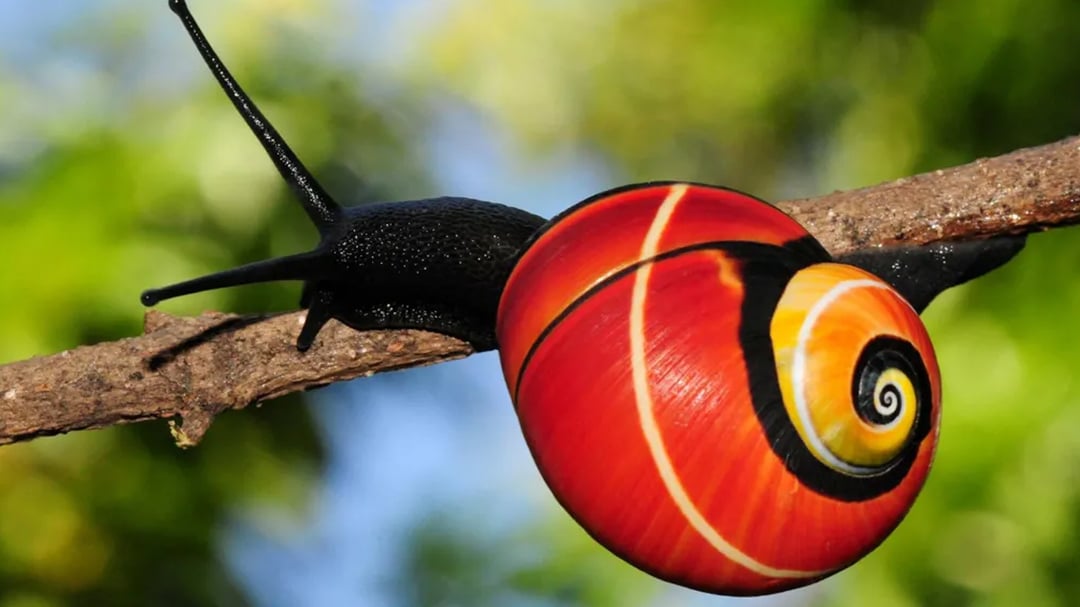
The Cuban Painted Snail, also known as Polymita picta, is a species of air-breathing land snail that is endemic to the island of Cuba. Its shell, which can grow up to 2.5 cm in length, is a masterpiece of natural design, featuring a kaleidoscope of colors and patterns that are unique to each individual snail. But what makes these shells so special? The answer lies in the snail’s remarkable ability to incorporate minerals from its surroundings into its shell, creating a one-of-a-kind work of art. This process, known as biomineralization, allows the snail to produce a shell that is not only visually stunning but also incredibly strong and durable.
Science Behind the Shells
So, what drives the Cuban Painted Snail to create such an astonishing array of colors and patterns on its shell? The answer lies in the complex interplay between genetics, environment, and evolution. Scientists believe that the snail’s shell patterns may serve as a form of communication, helping to attract mates or deter predators. Additionally, the shell’s vibrant colors may also play a role in thermoregulation, helping the snail to regulate its body temperature in the warm Cuban climate. Whatever the reason, one thing is clear – the Cuban Painted Snail’s shell is a true marvel of natural engineering, and one that continues to inspire scientists and artists alike.
Conservation and Cultural Significance
Unfortunately, the Cuban Painted Snail is facing numerous threats to its survival, including habitat destruction, overcollection for the pet trade, and climate change. As a result, conservation efforts are underway to protect this incredible species and its habitat. But the Cuban Painted Snail is not just a fascinating creature – it also holds significant cultural and symbolic meaning in Cuban culture. In many parts of the island, the snail is seen as a symbol of good luck and prosperity, and its image appears in various forms of art and literature. By working to protect the Cuban Painted Snail and its habitat, we are not only preserving a unique and fascinating species, but also an important part of Cuba’s cultural heritage.
As I conclude my journey into the world of the Cuban Painted Snail, I am left with a sense of wonder and awe at the natural beauty and complexity of this tiny creature. From its stunning shell to its fascinating science and cultural significance, the Cuban Painted Snail is a true marvel of the natural world. As we work to protect and preserve this incredible species, we are reminded of the importance of appreciating and respecting the intricate web of life that surrounds us, and the incredible beauty that can be found in even the smallest of creatures.