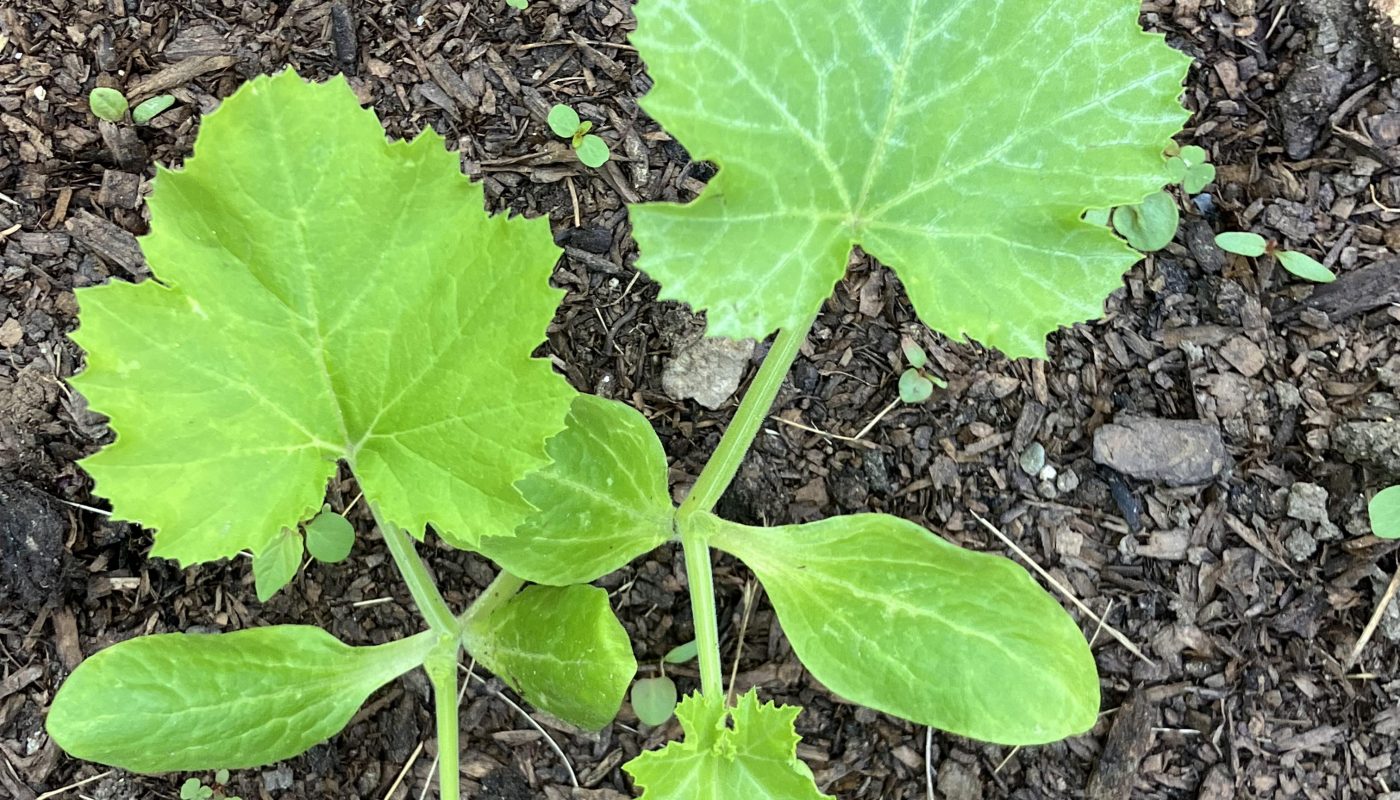
These two plants in my garden that grew in the same way, same time, same direction and in the same place
As I stepped into my garden the other day, I couldn’t help but notice something peculiar – two plants, which I had planted at the same time, were growing in an eerily similar manner. They were stretching towards the same direction, their leaves unfolding at the same rate, and their stems twisting in the same way. It was as if they were connected by an invisible thread, moving in perfect synchrony. I found myself wondering, what could be the reason behind this strange phenomenon? Is it just a coincidence, or is there something more to it?
The Power of Environmental Cues
As I delved deeper into the world of botany, I discovered that plants are highly attuned to their environment. They respond to a multitude of cues, including light, temperature, and even the presence of other plants. It’s possible that my two plants were reacting to the same environmental stimuli, which could explain their synchronized growth. For instance, plants often exhibit a phenomenon called phototropism, where they bend towards the direction of light. If both plants were receiving the same amount of sunlight, it’s likely that they would grow in the same direction. Additionally, plants can also respond to the presence of other plants through a process called allelopathy, where they release chemicals that can either promote or inhibit the growth of nearby plants.
The Role of Genetics and Chance
Another factor that could be contributing to the similar growth patterns of my two plants is genetics. If the plants are from the same species or have similar genetic makeup, they may be more likely to exhibit similar characteristics. However, even if the plants are genetically similar, there is still an element of chance involved. The random arrangement of soil, water, and nutrients in the garden could also be influencing the growth of the plants. It’s possible that the combination of genetic and environmental factors has resulted in the synchronized growth of my two plants. Furthermore, the concept of morphogenesis, which refers to the processes that shape the form and pattern of plants, could also be at play. This complex interplay of genetic and environmental factors could be guiding the development of my plants, leading to their striking similarity.
Unraveling the Mystery
As I continue to observe my two plants, I am fascinated by the intricate dance of factors that are influencing their growth. The synchronized movement of their leaves and stems is a testament to the complex and highly interconnected world of plants. While I may never fully understand the exact reasons behind this phenomenon, I am grateful for the opportunity to explore the fascinating world of botany. The experience has taught me to appreciate the beauty of uncertainty and the importance of observing and learning from the natural world. As I tend to my garden, I am reminded that even in the most unexpected places, there is always more to discover and marvel at.
As I reflect on the journey of my two plants, I am struck by the realization that even in the most ordinary-seeming moments, there lies a deeper story waiting to be uncovered. The synchronized growth of my plants has become a reminder to slow down, observe, and appreciate the intricate web of relationships that exists in the natural world. And who knows, maybe one day I’ll stumble upon another fascinating phenomenon in my garden, and the journey of discovery will begin all over again.