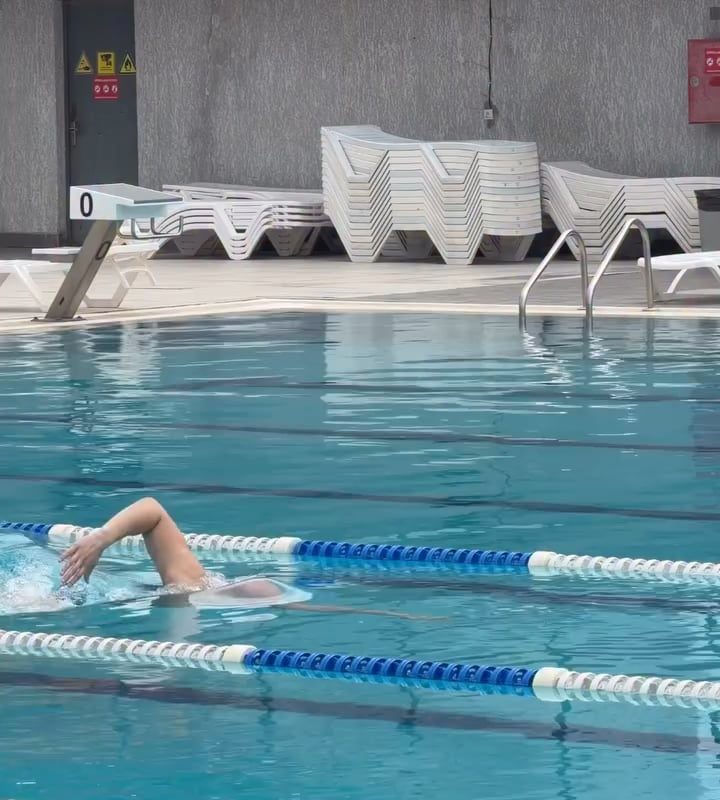
That swim is smooth
That swim is smooth – it’s a phrase that’s been on my mind lately, and I just can’t seem to shake it off. I was watching a video of a competitive swimmer gliding effortlessly through the water, their strokes strong and fluid, when I realized just how fascinating the world of swimming really is. From the science behind a smooth stroke to the incredible feats of human endurance that take place in the pool, there’s so much more to swimming than meets the eye. As I delved deeper into the world of swimming, I discovered a wealth of interesting facts and stories that I just can’t wait to share.
The Science of Smooth Swimming
So, what makes a swim smooth? It all comes down to the science of fluid dynamics. When a swimmer moves through the water, they create a flow of fluid around their body, which can either work for or against them. A smooth swimmer is able to minimize drag and maximize propulsion, using techniques such as streamlining their body position and using the right amount of kick and arm movement. It’s a delicate balance, but when it’s achieved, the results are truly impressive. I was amazed to learn about the intricate details of swimming technique, from the angle of the hands entering the water to the timing of the breath. It’s a truly complex and nuanced sport, and one that requires a great deal of practice and dedication to master.
The History of Competitive Swimming
Competitive swimming has a rich and fascinating history, dating back to ancient civilizations in Egypt, Greece, and Rome. The first modern Olympic Games in 1896 featured swimming events, and the sport has been a staple of the Games ever since. Over the years, swimming has evolved to include a wide range of events and styles, from the sprint events like the 50m freestyle to the endurance events like the 10km marathon swim. I was amazed to learn about the pioneers of competitive swimming, who pushed the boundaries of human endurance and achievement in the water. From the early days of swimming in the River Thames to the modern-day superstars of the pool, the history of competitive swimming is a truly inspiring one.
The Mental and Physical Benefits of Swimming
But swimming isn’t just about competition – it’s also an incredibly beneficial activity for both body and mind. The physical benefits of swimming are well-documented, from improving cardiovascular health to increasing strength and flexibility. But the mental benefits are just as impressive, with swimming shown to reduce stress and anxiety, improve mood, and even alleviate symptoms of depression. Whether you’re a competitive swimmer or just a casual pool-goer, the benefits of swimming are undeniable. As I learned more about the world of swimming, I found myself wanting to jump in the pool and experience it all for myself.
As I finished watching that video of the competitive swimmer, I felt a sense of awe and appreciation for the sport of swimming. From the science behind a smooth stroke to the incredible history and benefits of the sport, there’s so much to love about swimming. Whether you’re a seasoned swimmer or just a curious observer, I hope you’ll join me in appreciating the beauty and complexity of this amazing sport. Who knows – you might just find yourself inspired to take the plunge and experience the joy of swimming for yourself.