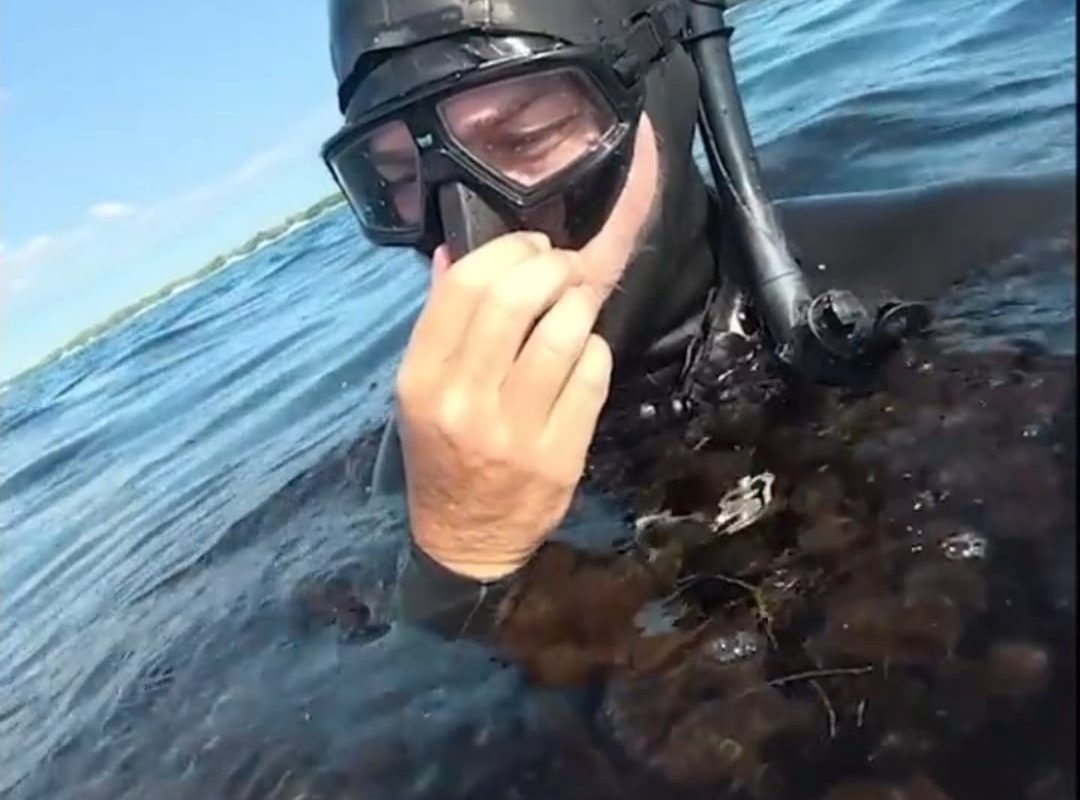
Diver swimming through a smack of Thimble Jellyfishes
As I watched the diver swim through the smack of Thimble Jellyfish, I couldn’t help but feel a sense of wonder and awe at the sheer magnitude of this underwater spectacle. The jellyfish, with their translucent bodies and delicate, thimble-shaped bells, seemed to stretch on forever, a shimmering, ethereal curtain that the diver navigated with ease. But what’s truly fascinating about this scene isn’t just the beauty of the jellyfish themselves, but the complex and often misunderstood world they inhabit. From the unique characteristics that allow them to thrive in their environment, to the important role they play in the ocean’s ecosystem, there’s so much more to these gelatinous creatures than meets the eye.
The Science Behind the Smack
So, what exactly is a smack of jellyfish, and how do these creatures manage to congregate in such large numbers? The answer lies in their unique life cycle, which involves a complex interplay between their polyp and medusa stages. Thimble Jellyfish, like many other species, begin their lives as tiny polyps that attach themselves to rocks or other underwater surfaces. As they grow and mature, they eventually transform into the medusa stage, characterized by their distinctive bell-shaped bodies and stinging tentacles. It’s during this stage that they’re able to swim and feed, and it’s not uncommon for large groups of jellyfish to come together in areas with abundant food and favorable currents. This phenomenon is often referred to as a “smack,” and it’s a truly breathtaking sight to behold.
Navigation and Coexistence
As the diver swims through the smack, it’s clear that they’re not just passing through a random collection of jellyfish – they’re actually navigating a complex, three-dimensional landscape that’s teeming with life. Thimble Jellyfish, despite their sting, are generally harmless to humans, and they play a vital role in the ocean’s ecosystem as both predators and prey. They feed on small fish, plankton, and other invertebrates, helping to regulate the populations of these species and maintain the balance of the ecosystem. At the same time, they’re also an important food source for many other creatures, from sea turtles to seabirds. As the diver glides through the water, they’re not just observing the jellyfish – they’re actually becoming a part of this intricate web of relationships, if only for a brief moment.
Conservation and Appreciation
As we watch the diver swim through the smack of Thimble Jellyfish, it’s hard not to feel a sense of appreciation and respect for these incredible creatures. Despite their importance in the ocean’s ecosystem, many jellyfish species are facing numerous threats, from habitat destruction and pollution to climate change and overfishing. By learning more about these fascinating creatures and the world they inhabit, we can gain a deeper appreciation for the importance of conservation and the need to protect our planet’s precious marine ecosystems. As we gaze upon the shimmering, iridescent bodies of the Thimble Jellyfish, we’re reminded of the beauty, wonder, and complexity of the underwater world – and the importance of preserving it for future generations to enjoy.
As I continue to watch the diver swim through the smack of Thimble Jellyfish, I’m struck by the sense of wonder and awe that this experience inspires. It’s a reminder that there’s still so much to learn and discover about the ocean and its inhabitants, and that even in the most unexpected places, we can find beauty, complexity, and a deep sense of connection to the natural world. Whether you’re a seasoned diver or just someone who appreciates the beauty of the underwater world, the sight of a smack of Thimble Jellyfish is sure to leave you breathless and inspired – and eager to learn more about these incredible creatures and the world they call home.