Albinos in India
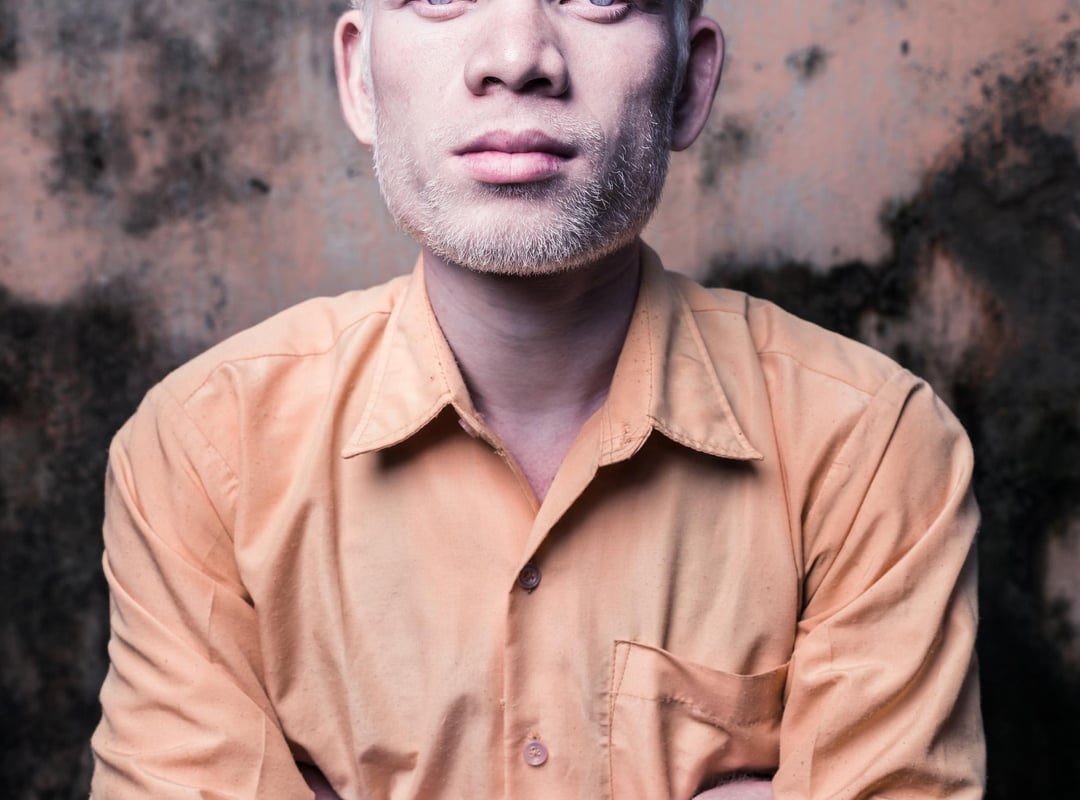
In a country where skin tone is often associated with beauty and social status, being an albino in India can be a unique and sometimes challenging experience. With a population of over 1.3 billion people, it’s estimated that there are around 10,000 to 20,000 individuals with albinism living in India, and their stories are as fascinating as they are heartbreaking. From facing social stigma and exclusion to struggling with health issues and limited access to resources, the lives of albinos in India are a complex mix of resilience and determination.
What is Albinism?
Albinism is a congenital condition that affects the production of melanin, resulting in little to no pigmentation in the skin, hair, and eyes. It’s a genetic disorder that can occur in people of all ethnic backgrounds, but it’s more prevalent in certain parts of the world, including India. There are different types of albinism, ranging from oculocutaneous albinism, which affects the eyes, skin, and hair, to ocular albinism, which primarily affects the eyes. While albinism is not a disease, it can increase the risk of skin cancer, vision problems, and other health issues, making it essential for individuals with albinism to take extra precautions to protect their skin and eyes.
Social Stigma and Superstition
In many parts of India, albinism is still shrouded in superstition and misconception. Some people believe that albinos are cursed or have been born with a defect, leading to social exclusion and stigma. This can make everyday life a struggle for individuals with albinism, who may face discrimination in education, employment, and even marriage. However, there are also many organizations and advocacy groups working to raise awareness and promote acceptance of albinism in Indian society. By sharing their stories and experiences, albinos in India are helping to break down barriers and challenge negative stereotypes, one step at a time.
Empowerment and Awareness
Despite the challenges they face, many albinos in India are determined to live fulfilling and successful lives. With the help of organizations and support groups, they are accessing education, employment, and healthcare, and are even becoming role models and advocates for others with albinism. By celebrating their uniqueness and promoting awareness about albinism, these individuals are helping to create a more inclusive and accepting society. As we learn more about the experiences of albinos in India, we are reminded of the importance of empathy, understanding, and acceptance, and the need to challenge social norms and stereotypes that can be hurtful and damaging.
As we reflect on the lives of albinos in India, we are struck by their courage, resilience, and determination. Despite facing numerous challenges, they are refusing to be defined by their condition, and are instead forging their own paths and creating their own opportunities. By sharing their stories and experiences, we can help to promote greater understanding and acceptance, and work towards a more inclusive and compassionate society, where everyone can thrive, regardless of their skin tone or any other factor.