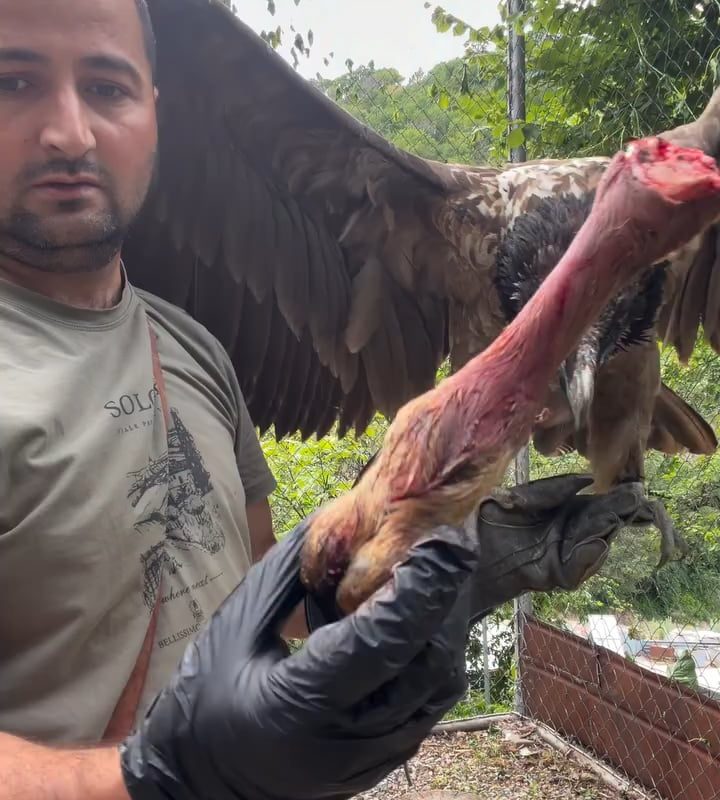
The bearded vulture (also known as the lammergeier) is able to digest bones and hooves thanks to the extremely high acidity of its stomach acid and its unique anatomical adaptations
The bearded vulture, also known as the lammergeier, is a bird like no other – with a diet that consists mainly of bones and hooves, it’s a true marvel of nature. Can you imagine being able to digest the toughest parts of an animal’s body with ease? It’s a unique ability that has fascinated scientists and bird enthusiasts alike for centuries. But what makes this bird so special, and how does it manage to break down the hardest parts of its prey? Let’s dive into the fascinating world of the bearded vulture and explore the secrets behind its incredible digestive system.
The Acidic Stomach
The key to the bearded vulture’s unique diet lies in the extremely high acidity of its stomach acid. With a pH level of around 1, it’s one of the most acidic digestive systems in the animal kingdom. To put that into perspective, the human stomach has a pH level of around 2, which is still much higher than that of the bearded vulture. This acidity allows the bird to break down the collagen in bones and hooves, making it possible for it to extract the nutrients it needs to survive. But that’s not all – the bearded vulture’s stomach is also specially adapted to handle the rough and abrasive nature of its diet, with a thick lining that protects it from the sharp edges of bones and hooves.
Anatomical Adaptations
In addition to its acidic stomach, the bearded vulture has several other anatomical adaptations that make it perfectly suited to its unique diet. Its strong, hooked beak is designed for tearing flesh and crushing bone, while its powerful legs and sharp talons allow it to grasp and manipulate its prey with ease. The bearded vulture also has a specially adapted gizzard, a muscular organ in the digestive system that helps to grind up food before it reaches the stomach. In the case of the bearded vulture, the gizzard is particularly powerful, allowing it to crush even the toughest bones into a pulp that can be easily digested.
A Unique Place in the Ecosystem
The bearded vulture plays a vital role in its ecosystem, helping to clean up carcasses and recycle nutrients. By eating the bones and hooves of dead animals, the bearded vulture helps to prevent the spread of disease and keeps the environment clean. It’s a truly unique and important role, and one that highlights the fascinating diversity of the natural world. As we learn more about the bearded vulture and its incredible adaptations, we’re reminded of the awe-inspiring complexity and beauty of the world around us.
The bearded vulture is a true marvel of nature, a bird that has evolved to thrive in some of the harshest and most unforgiving environments on Earth. Its unique diet and adaptations make it a fascinating subject for study, and a powerful reminder of the incredible diversity and complexity of the natural world. Whether you’re a scientist, a bird enthusiast, or simply someone who appreciates the beauty and wonder of nature, the bearded vulture is a bird that is sure to captivate and inspire. So next time you’re out in the wilderness, keep an eye out for this incredible bird – you never know when you might catch a glimpse of it soaring overhead, its sharp eyes scanning the ground below for its next meal.