Metal cutter cutting steel like butter
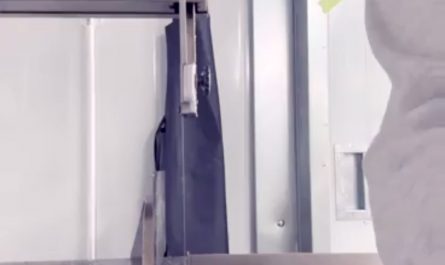
I still remember the first time I saw a metal cutter slicing through steel like it was butter – I was amazed, to say the least. The way the blade glided effortlessly, leaving a smooth, clean edge behind it, was like magic. But, as it often does, my curiosity got the better of me, and I started digging deeper to understand the science behind this incredible feat. It turns out that the secret to cutting steel like butter lies in the unique properties of the cutting tools themselves, as well as the materials being cut.
The History of Metal Cutting
As it turns out, the art of metal cutting has been around for thousands of years, with early civilizations using primitive tools made from copper and bronze to cut and shape metal. However, it wasn’t until the Industrial Revolution that metal cutting really took off, with the introduction of new materials and technologies that allowed for faster, more precise cutting. Today, metal cutters use advanced tools made from materials like tungsten and titanium, which are incredibly hard and resistant to wear and tear. These tools are designed to withstand the intense heat and friction generated by cutting through steel, and are often coated with special lubricants to reduce friction and prevent overheating.
The Science of Cutting Steel
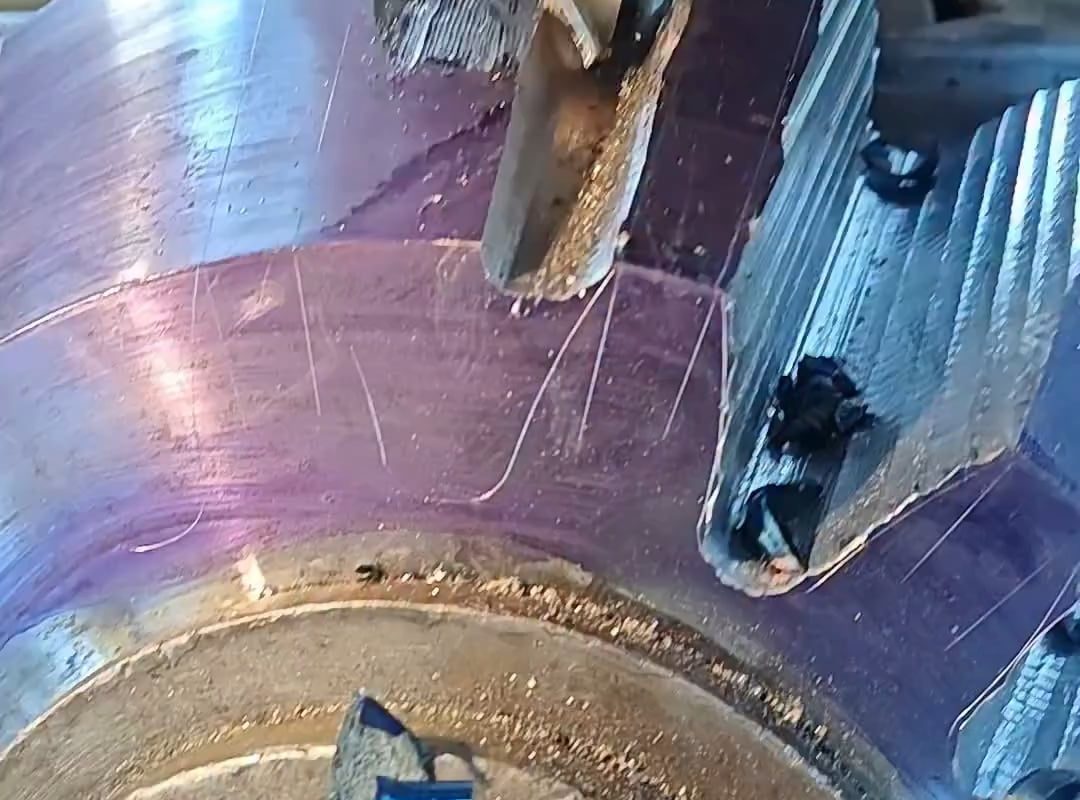
So, what exactly happens when a metal cutter slices through steel? It all comes down to the way the cutting tool interacts with the metal itself. When a cutting tool is applied to steel, it causes the metal to deform and eventually break apart at the molecular level. This process is made easier by the use of specialized cutting tools, which are designed to apply intense pressure and heat to the metal in a very localized area. The result is a clean, smooth cut that looks almost like it was made with a hot knife through butter. But what’s really interesting is that the properties of the steel itself also play a big role in how easily it can be cut. For example, some types of steel are more brittle and prone to cracking, while others are softer and more prone to deformation.
Modern Applications of Metal Cutting
Today, metal cutting is used in a wide range of industries, from construction and manufacturing to aerospace and healthcare. In fact, many of the products we use every day, from cars and appliances to medical devices and airplanes, rely on metal cutting in some way. Whether it’s cutting steel beams for a building frame or precision-cutting tiny metal components for a medical device, the ability to cut metal quickly and accurately is essential to modern manufacturing. And yet, despite its importance, metal cutting remains a bit of a mystery to many of us – a fascinating process that seems almost like magic, but is actually the result of careful science and engineering.
As I delved deeper into the world of metal cutting, I couldn’t help but feel a sense of awe and appreciation for the incredible technology and expertise that goes into cutting steel like butter. From the ancient civilizations that first developed metal cutting tools, to the modern manufacturers who use advanced technologies to precision-cut metal components, the story of metal cutting is a fascinating one that continues to evolve and inspire us today. Whether you’re an engineer, a manufacturer, or simply someone who appreciates the beauty of precision craftsmanship, the art of metal cutting is sure to captivate and inspire – and who knows, maybe one day we’ll see even more incredible advancements in this field, allowing us to cut through even the toughest materials with ease and precision.