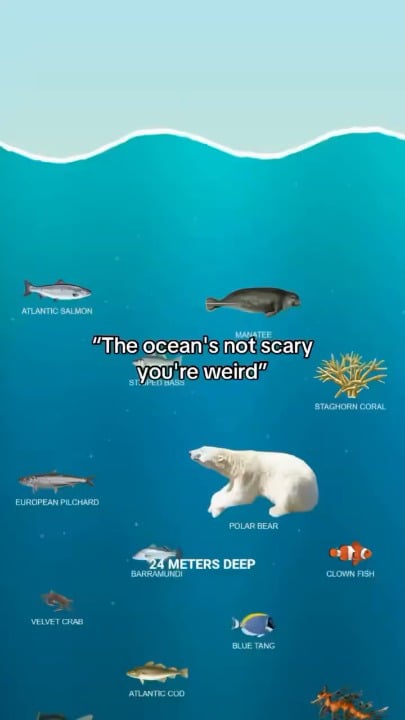
Reminder: The Ocean is only 5% explored yet
The ocean, our planet’s majestic blue blanket, still holds many secrets and mysteries that we’ve yet to uncover. It’s astonishing to think that despite being the largest habitat on Earth, covering over 70% of our globe, we’ve only explored a mere 5% of its depths. This staggering fact leaves me wondering what lies beneath the surface, waiting to be discovered. The ocean’s unexplored territories are like an untouched library, filled with stories of ancient civilizations, hidden species, and uncharted landscapes. As we continue to venture into the unknown, we’re reminded that the ocean is a frontier that’s still largely uncharted, and its secrets are slowly being revealed to us.
Unveiling the Ocean’s Depths
The reason we’ve only explored a small fraction of the ocean is due to its sheer size and the challenges that come with exploring it. The ocean is a vast and complex ecosystem, with depths that can reach as low as 36,000 feet. The pressure at such depths is extreme, reaching over 1,000 times the pressure at sea level, making it difficult for humans to survive without advanced submersibles. However, with the help of technology, we’re slowly starting to unveil the ocean’s secrets. Remotely operated vehicles (ROVs) and autonomous underwater vehicles (AUVs) are being used to map the seafloor, discover new species, and explore shipwrecks. These advancements have led to some remarkable discoveries, including the finding of hydrothermal vents, which support unique ecosystems that thrive in the harsh conditions surrounding these underwater springs.
The Science Behind Ocean Exploration
One of the most significant challenges in exploring the ocean is mapping its terrain. The ocean floor is a complex landscape, with mountains, valleys, and plains, similar to those found on land. However, unlike land, the ocean floor is largely unmapped, making it difficult to navigate and explore. Scientists use a variety of techniques, including sonar and satellite imagery, to create detailed maps of the seafloor. These maps help researchers identify areas of interest, such as coral reefs, shipwrecks, and underwater volcanoes. By studying these ecosystems, scientists can gain a better understanding of the ocean’s role in regulating the Earth’s climate, providing half of the oxygen we breathe, and serving as a source of food for billions of people.
A New Frontier of Discovery
As we continue to explore the ocean, we’re reminded that there’s still so much to discover. The ocean is home to an estimated 700,000 to 1 million species, but we’ve only formally described around 226,000 of them. This means that there are potentially hundreds of thousands of new species waiting to be discovered. The ocean is also a treasure trove of natural resources, including minerals, metals, and energy sources. However, as we explore and utilize these resources, it’s essential that we do so in a sustainable and responsible manner, ensuring that we preserve the ocean’s delicate ecosystems for future generations.
As I reflect on the ocean’s unexplored territories, I’m filled with a sense of wonder and awe. The fact that we’ve only scratched the surface of this vast and complex ecosystem is a reminder that there’s still so much to discover, so much to explore, and so much to learn. The ocean is a frontier that’s waiting to be uncovered, and as we continue to venture into the unknown, we’ll undoubtedly uncover secrets that will change our understanding of the world and our place within it. The ocean’s mysteries are a call to action, inspiring us to continue exploring, discovering, and protecting this incredible resource that gives us so much.