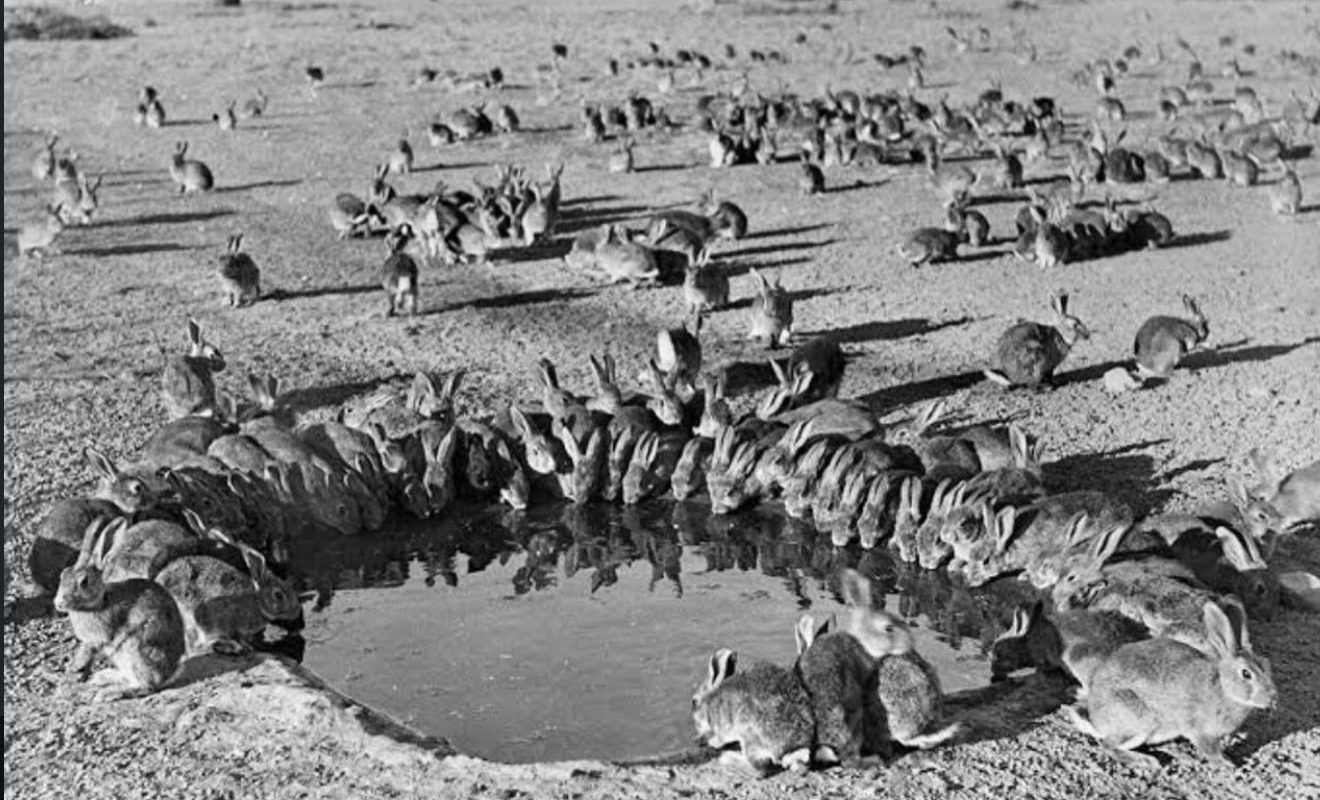
“In 1859, a man named Thomas Austin released 24 rabbits into the wild for sport hunting in Australia. In 70 years, the rabbit population grew to 10 billion.”
Imagine a scenario where a single action, meant for entertainment, spirals out of control and changes the face of an entire continent. This is exactly what happened in Australia in the late 19th century, when a man named Thomas Austin decided to release a small group of rabbits into the wild for sport hunting. Little did he know, this seemingly harmless act would have a profound impact on the Australian ecosystem, and become one of the most significant examples of an invasive species causing widespread devastation.
The Fateful Release
Thomas Austin’s decision to release 24 rabbits into the wild in 1859 may have been driven by a desire to create a new hunting opportunity, but it was also influenced by the societal norms of the time. In Victorian England, hunting was a popular pastime among the upper class, and Austin likely wanted to replicate this experience in his new home in Australia. However, he failed to consider the long-term consequences of introducing a non-native species to the continent. The rabbits, which were specifically chosen for their breeding potential, quickly adapted to their new environment and began to multiply at an alarming rate.
The Rabbit Population Explosion
Over the next 70 years, the rabbit population in Australia grew to staggering numbers, reaching an estimated 10 billion individuals. This explosion was fueled by the rabbits’ ability to breed rapidly, with females capable of producing up to 12 litters per year. The lack of natural predators in Australia also meant that the rabbits had little to fear, allowing them to roam freely and unchecked. As the population grew, so did the damage to the environment, with rabbits causing widespread destruction to crops, vegetation, and native wildlife habitats. The Australian government was eventually forced to take drastic measures to control the population, including the introduction of diseases such as myxomatosis, which had a significant impact on rabbit numbers.
A Cautionary Tale
The story of Thomas Austin and the rabbits serves as a cautionary tale about the dangers of introducing non-native species to new environments. It highlights the importance of considering the long-term consequences of our actions, and the need for careful planning and management when it comes to conservation and wildlife management. Today, Australia continues to grapple with the legacy of Austin’s decision, with rabbits remaining a significant pest species in many parts of the country. However, the story also serves as a reminder of the importance of learning from our mistakes, and using this knowledge to inform our decisions and actions in the present.
As we look back on this fascinating, yet cautionary tale, it’s hard not to wonder what Thomas Austin would think if he knew the impact his actions would have on the Australian ecosystem. Would he have still released those 24 rabbits into the wild, knowing the devastation they would cause? The answer, of course, is impossible to know, but one thing is certain – the story of the rabbits in Australia serves as a powerful reminder of the importance of responsible stewardship of our environment, and the need to carefully consider the consequences of our actions.