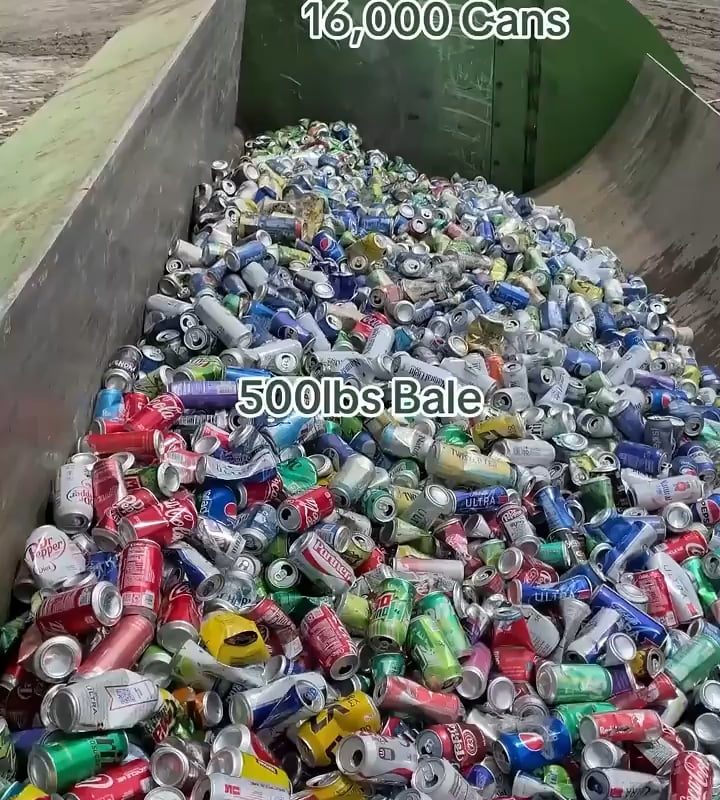
The Aluminum Can Bale
I still remember the first time I saw an aluminum can bale – it was like a work of art, a compact bundle of crushed cans tied together with wire, waiting to be recycled and transformed into something new. But have you ever stopped to think about the story behind these humble bundles? From the science of recycling to the economics of the aluminum industry, there’s a fascinating world behind the aluminum can bale. As I delved deeper into the world of aluminum recycling, I discovered that the can bale is more than just a convenient way to collect and transport used cans – it’s a crucial part of a complex process that helps conserve natural resources, reduce waste, and save energy.
The Recycling Process
The journey of an aluminum can from your recycling bin to a new product is a remarkable one. Once collected, cans are sorted and compressed into bales, which are then melted down into raw aluminum. This process, known as smelting, requires a significant amount of energy – but it’s still much more efficient than producing new aluminum from raw materials. In fact, recycling aluminum uses 95% less energy than producing primary aluminum, which is why the aluminum can bale plays such a vital role in the recycling process. As the demand for sustainable and eco-friendly practices continues to grow, the importance of aluminum recycling – and the humble can bale – will only continue to increase.
The Economics of Aluminum Recycling
But the aluminum can bale is not just a key part of the recycling process – it’s also a valuable commodity in its own right. Aluminum is a highly sought-after metal, used in everything from aircraft to packaging, and the can bale is a crucial part of the supply chain. The price of aluminum can fluctuate depending on global demand and supply, but one thing is certain – the aluminum can bale is a hot commodity, with millions of tons of recycled aluminum being traded around the world every year. As the world continues to urbanize and industrialize, the demand for aluminum will only continue to grow, making the aluminum can bale an increasingly important part of the global economy.
A Sustainable Future
So what does the future hold for the aluminum can bale? As concern about climate change and waste management continues to grow, it’s likely that the importance of recycling – and the aluminum can bale – will only continue to increase. In fact, many experts believe that recycling will play a crucial role in the transition to a more circular economy, where waste is minimized and resources are used more efficiently. As I look at the aluminum can bale in a new light, I’m reminded of the power of small actions – like recycling a can – to make a big difference. Whether you’re a recycling enthusiast or just someone who cares about the planet, the aluminum can bale is a fascinating symbol of the impact we can have when we work together to reduce, reuse, and recycle.
As I finish writing this article, I’m left with a newfound appreciation for the humble aluminum can bale – and a sense of wonder at the complex world of recycling and sustainability that lies behind it. From the science of smelting to the economics of the aluminum industry, there’s a fascinating story behind every can bale, and a powerful reminder of the impact we can have when we work together to create a more sustainable future.