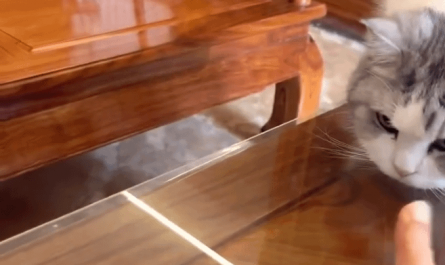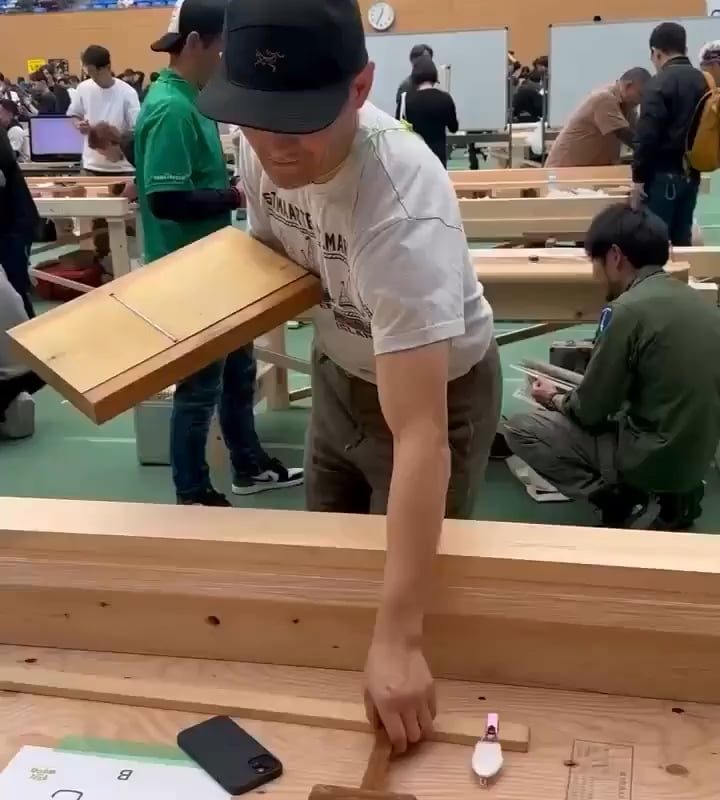
Wood planing competition for thinnest plane of wood
I recently stumbled upon a fascinating competition that has left me in awe – a wood planing contest where skilled craftsmen and women gather to see who can create the thinnest plane of wood. The idea of shaving down a piece of wood to a fraction of its original thickness, all while maintaining its integrity and structure, is a remarkable feat that requires immense skill, patience, and attention to detail. As I delved deeper into the world of wood planing, I discovered a rich history and a deep understanding of the science behind this ancient craft.
The Art of Wood Planing
The art of wood planing dates back centuries, with early craftsmen using hand planes to smooth and shape wood for various applications, from furniture making to shipbuilding. The process of planing involves using a tool with a sharp blade to shave down the wood, removing tiny layers of material with each pass. The goal is to create a smooth, even surface, free from imperfections and defects. In the context of the competition, the challenge is to plane the wood down to an incredibly thin thickness, often measured in fractions of a millimeter. This requires an extraordinary level of control and precision, as the slightest mistake can result in the wood splitting or becoming uneven.
The Science Behind Thin Wood Planing
So, what makes it possible to plane wood down to such thin thicknesses? The answer lies in the unique properties of wood itself. Wood is a naturally occurring composite material, made up of cellulose, hemicellulose, and lignin. These components give wood its strength, flexibility, and durability. When planing wood, the goal is to work with the grain, using the natural orientation of the wood fibers to guide the blade. By doing so, craftsmen can take advantage of the wood’s inherent strength and flexibility, allowing them to remove thin layers of material without compromising the wood’s integrity. The science behind wood planing is fascinating, and understanding the properties of wood is essential for achieving the thin, smooth surfaces that competitors strive for.
The Competition Heats Up
As the competition heats up, contestants must push their skills to the limit, using custom-made planes and specialized techniques to achieve the thinnest possible plane of wood. The atmosphere is tense, with judges scrutinizing each entry for thickness, smoothness, and overall quality. The winner is not only the person who achieves the thinnest plane, but also the one who demonstrates the greatest control and precision throughout the process. It’s a true test of skill, patience, and dedication, and one that requires a deep understanding of the craft and the materials involved.
As I continue to explore the world of wood planing, I am struck by the beauty and simplicity of this ancient craft. The wood planing competition is a celebration of skill, precision, and patience, and a testament to the enduring appeal of working with wood. Whether you’re a seasoned craftsman or simply a curious observer, the art of wood planing is sure to captivate and inspire, offering a glimpse into a world of precision, beauty, and craftsmanship.