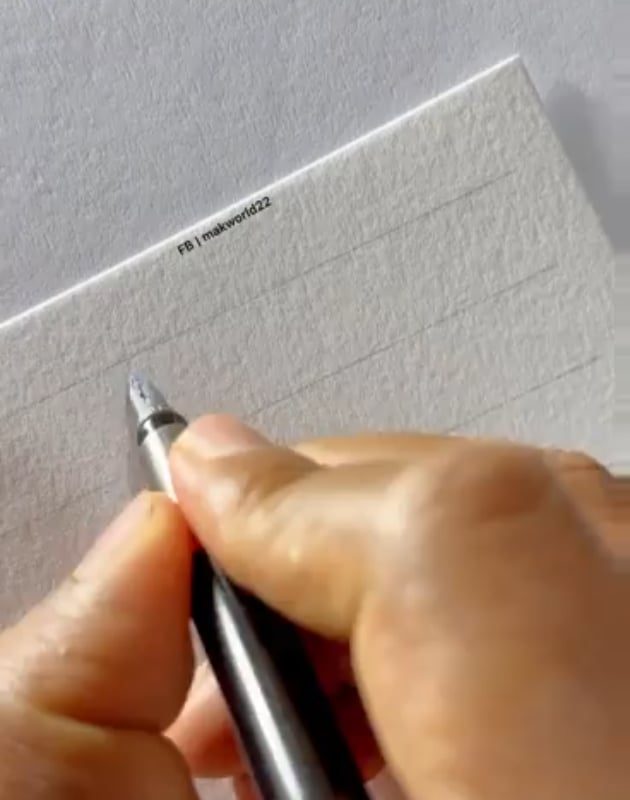
Writing with shadow letters
I still remember the first time I stumbled upon a piece of writing that used shadow letters – it was like uncovering a hidden treasure, a secret code that added an extra layer of meaning to the text. As I delved deeper into this fascinating world, I discovered that shadow letters have been used by artists, writers, and designers for centuries, and their story is full of intriguing twists and turns. From ancient manuscripts to modern-day graphic design, shadow letters have played a significant role in shaping the way we communicate and express ourselves. So, let’s take a journey into the captivating world of shadow letters and explore their history, science, and creative applications.
The History of Shadow Letters
Shadow letters have their roots in the early days of printing, when artisans would carefully craft each letter by hand, using techniques like calligraphy and engraving. As printing technology evolved, so did the art of creating shadow letters, with designers experimenting with different fonts, colors, and textures to create intricate and visually striking effects. In the 19th century, shadow letters became a popular feature in advertising and poster design, where they were used to grab attention and convey a sense of drama and excitement. Today, shadow letters continue to be used in a wide range of contexts, from book design to digital graphics, and their unique blend of artistry and technical skill has made them a beloved tool among designers and artists.
The Science Behind Shadow Letters
So, what makes shadow letters so effective at capturing our attention and conveying meaning? The answer lies in the way our brains process visual information, and the clever use of contrast, color, and negative space that shadow letters employ. When we look at a piece of text with shadow letters, our eyes are drawn to the interplay between the light and dark areas, which creates a sense of depth and dimensionality. This is because our brains are wired to respond to contrast, and the subtle shading and gradations of tone that shadow letters use create a powerful visual cue that guides our attention and helps us focus on the message being conveyed. Whether used in a bold, eye-catching headline or a subtle, nuanced passage of text, shadow letters have the power to engage and persuade us in ways that ordinary typography cannot.
Creating with Shadow Letters
As a creative tool, shadow letters offer a wealth of possibilities for artists, writers, and designers. By experimenting with different fonts, colors, and textures, it’s possible to create a wide range of effects, from the subtle and sophisticated to the bold and playful. Whether used to add emphasis, create atmosphere, or simply to add a touch of visual flair, shadow letters have the power to transform ordinary text into something extraordinary. And with the advent of digital design tools, it’s never been easier to create and experiment with shadow letters, making them a versatile and exciting addition to any creative toolkit. So why not give shadow letters a try, and see where they take you – you never know what hidden treasures you might discover.
As I reflect on my journey into the world of shadow letters, I’m struck by the way they’ve opened my eyes to the beauty and complexity of language, and the many ways in which we can use typography to convey meaning and emotion. Whether you’re a designer, artist, or simply someone who loves words, shadow letters have the power to inspire and delight, and I hope this journey has sparked your curiosity and encouraged you to explore this fascinating world for yourself.