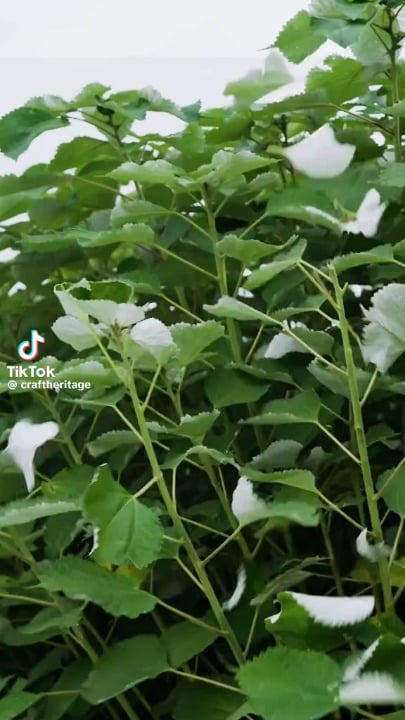
Ramie grass linen also known as Xaibu
Imagine yourself strolling through a lush green meadow, surrounded by tall grasses that seem to sway gently in the breeze. One of these grasses, known as Ramie or Xaibu, has been a prized possession for centuries, particularly in Asia. This incredible plant has been used to create a unique type of linen that’s not only durable but also boasts a fascinating history. As we delve into the world of Ramie grass linen, you’ll discover the intricate process of transforming this humble grass into a luxurious fabric, and the remarkable science behind its exceptional properties.
The Ancient Roots of Ramie
Ramie has been cultivated for over 5,000 years, with its origins dating back to ancient China. The plant was highly valued for its strong, fiber-rich stems, which were used to create a variety of textiles, from clothing to paper. The process of harvesting and processing Ramie was labor-intensive, involving manual extraction of the fibers, which were then spun into yarn. This painstaking process made Ramie linen a luxury item, reserved for the elite. As trade routes expanded, Ramie linen spread throughout Asia, becoming an integral part of traditional clothing and textiles.
Unraveling the Science of Ramie
So, what makes Ramie grass linen so special? The answer lies in its unique composition. Ramie fibers are made up of cellulose, a natural polymer that provides exceptional strength and durability. The fibers are also remarkably long, with some stretching up to 20 inches, making them ideal for spinning into yarn. When woven into fabric, Ramie linen exhibits a subtle sheen, breathability, and a soft, silky texture that’s both cooling in summer and warming in winter. The science behind Ramie’s remarkable properties is rooted in its molecular structure, which allows it to absorb and release moisture quickly, making it an ideal choice for clothing and textiles.
Cultivating a Sustainable Future
As the world becomes increasingly conscious of environmental sustainability, Ramie grass linen is gaining attention for its eco-friendly credentials. Ramie is a fast-growing crop that requires minimal pesticides and fertilizers, making it an attractive alternative to traditional cotton or synthetic fibers. Additionally, Ramie linen production involves a closed-loop system, where the entire plant is utilized, minimizing waste and reducing the carbon footprint. As we look to the future, it’s exciting to think about the potential of Ramie grass linen to revolutionize the textile industry, providing a sustainable, durable, and luxurious fabric that’s not only good for us but also for the planet.
As we conclude our journey into the world of Ramie grass linen, it’s clear that this incredible plant has a lot to offer. From its ancient roots to its cutting-edge sustainability, Ramie is a true marvel of nature. Whether you’re a history buff, a science enthusiast, or simply someone who appreciates the beauty of natural textiles, Ramie grass linen is sure to captivate and inspire. So next time you come across this extraordinary fabric, remember the fascinating story behind it, and the incredible journey that transforms a humble grass into a luxurious treasure.