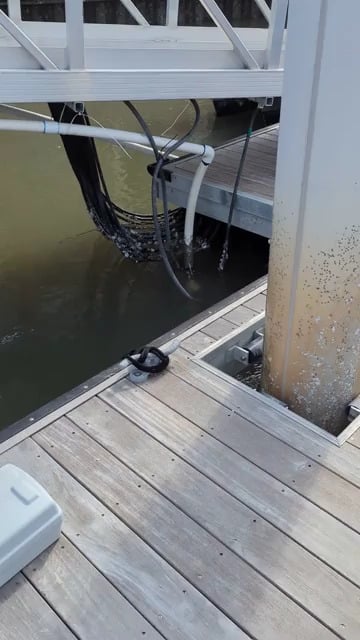
Live electrical wires underwater in the docks
As I stood on the dock, gazing out at the water, I couldn’t help but wonder about the hidden world beneath the surface. The sound of seagulls filled the air, and the smell of saltwater wafted up, but my attention was caught by something entirely unexpected – live electrical wires underwater. It sounds like the stuff of science fiction, but it’s a very real phenomenon that has been fascinating people for years. The idea that electricity can flow through water, powering all sorts of devices and systems, is not only intriguing but also raises important questions about safety and innovation.
The History of Underwater Cables
It all started in the mid-19th century, when the first underwater telegraph cables were laid across the English Channel. These early cables were made of copper wire wrapped in insulation and protected by a layer of steel wire, and they paved the way for modern underwater communication systems. Today, there are thousands of miles of underwater cables crisscrossing the globe, carrying everything from internet traffic to power for offshore oil rigs. But how do these cables manage to transmit electricity through water, which is generally a pretty good conductor of electricity? The answer lies in the clever design of the cables themselves, which use a combination of insulation and protective layers to prevent the electricity from leaking out into the surrounding water.
The Science Behind Underwater Electricity
So, how exactly do live electrical wires work underwater? It’s all about the materials used to insulate the wires. Modern underwater cables use advanced materials like polyethylene and polypropylene, which are able to withstand the harsh conditions found underwater. These materials are able to prevent the electricity from escaping, while also protecting the wire from the corrosive effects of seawater. But even with these advanced materials, there are still risks involved – a damaged cable can leak electricity into the surrounding water, posing a hazard to marine life and humans alike. That’s why the installation and maintenance of underwater cables is such a careful and painstaking process, involving specialized equipment and trained personnel.
Modern Applications and Safety Concerns
Today, live electrical wires underwater are used in all sorts of applications, from powering offshore wind farms to providing electricity for underwater research equipment. But as our reliance on these systems grows, so too do the safety concerns. What happens if a cable is damaged, or if there’s a fault in the system? The consequences could be severe, ranging from disruption to critical infrastructure to harm to marine life. That’s why researchers and engineers are working hard to develop new technologies and safety protocols, from advanced cable designs to sophisticated monitoring systems. As I stood on the dock, watching the water lap against the shore, I couldn’t help but feel a sense of awe at the hidden world of underwater electricity – and a sense of gratitude for the innovators and engineers who are working to harness its power while keeping us safe.
As I walked away from the dock, I couldn’t shake the feeling that there’s still so much to learn about the fascinating world of underwater electricity. From the history of underwater cables to the cutting-edge technology being developed today, there’s a rich and complex story waiting to be uncovered. And who knows – maybe one day we’ll see a whole new generation of underwater electrical systems, powering everything from oceanic research stations to underwater cities. The possibilities are endless, and it’s exciting to think about what the future might hold for this intriguing field.