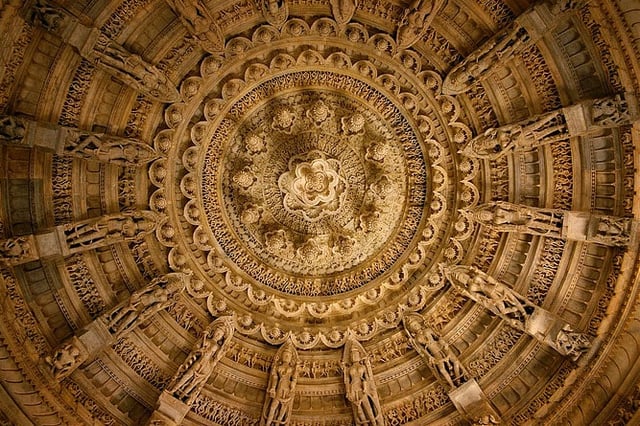
Dilwara Jain Temple, India
As I stepped into the breathtaking Dilwara Jain Temple, I felt like I had entered a world of intricate beauty and profound spirituality. Located in the picturesque town of Mount Abu, Rajasthan, India, this 11th-century marvel is a testament to the ingenuity and craftsmanship of the Jain community. The temple’s stunning architecture, adorned with delicate marble carvings and ornate sculptures, is a sight to behold, but what’s even more fascinating is the story behind its creation. The Dilwara Jain Temple is not just a place of worship, but a masterpiece of engineering and artistry that has withstood the test of time, and its history is as captivating as its beauty.
The History and Significance
The Dilwara Jain Temple was built between the 11th and 13th centuries by the Chalukya dynasty, a powerful Jain kingdom that ruled much of western India. The temple complex comprises five main shrines, each dedicated to a different Jain saint, or Tirthankara. The most famous of these is the Vimal Vasahi temple, built in 1031 AD by Bhima Shah, a wealthy Jain merchant. The temple’s intricate carvings and sculptures depict various scenes from Jain mythology, as well as everyday life in medieval India. The attention to detail and precision that has gone into crafting these marble masterpieces is awe-inspiring, and it’s no wonder that the Dilwara Jain Temple is considered one of the most important pilgrimage sites for Jains around the world.
Architecture and Engineering
The Dilwara Jain Temple is a marvel of medieval engineering, with its complex system of interlocking marble pieces that fit together with incredible precision. The temple’s architects used a technique called “dry masonry,” where the marble blocks were cut and fitted together without the use of mortar or cement. This technique allowed for greater flexibility and movement, which was essential in an earthquake-prone region like Rajasthan. The temple’s design also incorporates a sophisticated system of ventilation and cooling, which keeps the interior cool even in the scorching desert heat. The combination of artistry and engineering that has gone into building the Dilwara Jain Temple is a testament to the ingenuity and skill of its creators.
A Spiritual Oasis
Despite its stunning architecture and rich history, the Dilwara Jain Temple is, above all, a place of spiritual significance. For Jains, the temple is a symbol of the path to enlightenment, and its intricate carvings and sculptures are meant to inspire devotion and contemplation. The temple’s serene atmosphere and beautiful surroundings make it an ideal place for meditation and reflection, and it’s not uncommon to see devotees and visitors alike sitting in quiet contemplation, soaking in the peaceful ambiance. As I explored the temple complex, I couldn’t help but feel a sense of wonder and awe at the beauty and significance of this incredible monument.
As I left the Dilwara Jain Temple, I felt grateful for the experience of exploring this incredible monument. The temple’s fascinating history, stunning architecture, and profound spiritual significance make it a must-visit destination for anyone interested in history, culture, or spirituality. Whether you’re a Jain devotee or simply a curious traveler, the Dilwara Jain Temple is a place that will leave you in awe of the ingenuity, craftsmanship, and devotion of its creators, and inspire you to learn more about the rich cultural heritage of India.