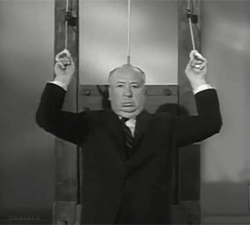
A 5-year old Hitchcock was locked in a cell for 5 minutes as requested by his father. The episode led to a chronic phobia of the police (including stopping driving for fear of parking tickets). It also led to s movies North by Northwest, The Wrong Man and The Thirty-Nine Steps.
The master of suspense, Alfred Hitchcock, was a man of many fears and phobias, and one of the most intriguing aspects of his life is the story of how a childhood experience shaped his psyche and influenced some of his most iconic films. When Hitchcock was just five years old, his father, in a misguided attempt to teach him a lesson, locked him in a cell at the local police station for five minutes. This traumatic event had a profound impact on the young boy, instilling in him a deep-seated fear of the police that would stay with him for the rest of his life. But what’s even more fascinating is how this phobia would go on to influence some of Hitchcock’s most beloved movies.
The Birth of a Phobia
This childhood trauma had a lasting impact on Hitchcock, leading to a chronic phobia of the police that would affect his daily life in unexpected ways. For instance, his fear of receiving parking tickets was so intense that he would often avoid driving altogether, opting instead to take taxis or walk. This may seem like a trivial matter, but it speaks to the depth of his phobia and how it influenced even the most mundane aspects of his life. But what’s even more interesting is how this phobia would seep into his creative work, shaping the themes and plotlines of some of his most iconic films.
From Phobia to Film
Take, for example, the classic thriller North by Northwest, in which the protagonist, Roger Thornhill, is mistakenly identified as a spy and must evade the authorities to clear his name. This film, with its themes of mistaken identity and cat-and-mouse chases, is a direct reflection of Hitchcock’s own fears and anxieties about the police. Similarly, The Wrong Man, a film based on a true story, tells the tale of a man wrongly accused of a crime and his desperate attempts to prove his innocence. And then there’s The Thirty-Nine Steps, a classic tale of espionage and suspense, in which the protagonist must navigate a complex web of intrigue and deception to avoid capture. All of these films, in one way or another, reflect Hitchcock’s deep-seated fear of the police and the sense of vulnerability that comes with being at the mercy of authority.
A Legacy of Suspense
So what can we learn from Hitchcock’s experiences and how they influenced his work? For one, it’s a testament to the power of childhood experiences to shape our adult lives and creative pursuits. It’s also a reminder that even the most seemingly irrational fears and phobias can be a source of inspiration and creativity. And finally, it’s a tribute to the enduring legacy of Hitchcock’s films, which continue to captivate audiences to this day with their masterful blend of suspense, intrigue, and psychological complexity. As we look back on Hitchcock’s life and work, it’s clear that his childhood experiences, including that fateful five minutes in a police cell, played a profound role in shaping the master of suspense into the legendary filmmaker we know and love today.
The story of Hitchcock’s childhood trauma and its lasting impact on his life and work is a fascinating reminder of the complex and often unexpected ways in which our experiences shape us into the people we become. As we continue to marvel at the genius of Hitchcock’s films, it’s worth remembering the deeply personal and often painful experiences that inspired some of his most iconic works. By exploring the fascinating backstory behind these films, we can gain a deeper appreciation for the art of filmmaking and the enduring power of suspense to captivate and enthrall us.