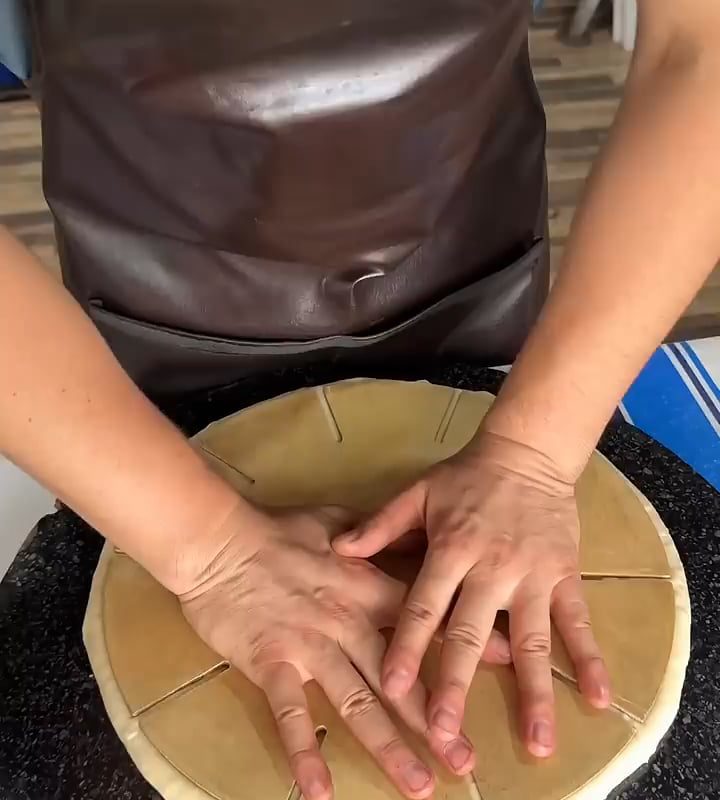
That’s not bread, that’s a master piece
I still remember the first time I saw a beautifully crafted loaf of bread that made me question everything I thought I knew about this staple food. The intricate patterns, the perfectly golden crust, and the aroma that filled the air – it was love at first sight. As I gazed at this masterpiece, I couldn’t help but wonder, what makes bread so special? Is it just a simple combination of flour, water, and yeast, or is there something more to it? The answer, I soon discovered, lies in the fascinating world of bread-making, where art, science, and tradition come together in perfect harmony.
The Art of Bread-Making
Bread has been a part of human history for thousands of years, with evidence of ancient civilizations baking bread dating back to around 10,000 BCE. Over time, bread-making has evolved into an art form, with bakers around the world experimenting with different ingredients, techniques, and designs. From the crusty baguettes of France to the delicate naan bread of India, each type of bread has its own unique characteristics and story to tell. The process of bread-making is a labor of love, requiring patience, skill, and attention to detail. As the dough rises, the baker must carefully shape and mold it into the desired form, creating a masterpiece that is both visually stunning and delicious.
The Science Behind the Crust
So, what makes bread so deliciously crispy on the outside and soft on the inside? The answer lies in the science of bread-making. The crust is created through a process called the Maillard reaction, a chemical reaction between amino acids and reducing sugars that occurs when the bread is baked. This reaction produces new flavor compounds and browns the bread, giving it that perfect golden crust. The type of flour used, the temperature and humidity of the environment, and the baking time all play a crucial role in determining the final texture and flavor of the bread. It’s a delicate balance of art and science, where the baker must carefully control the variables to produce the perfect loaf.
A Symbol of Community and Tradition
Bread has long been a symbol of community and tradition, bringing people together across cultures and generations. In many parts of the world, bread is a staple food that is shared with family and friends, often served as a sign of hospitality and respect. The act of breaking bread together is a powerful symbol of unity and togetherness, transcending language and cultural barriers. Whether it’s a traditional recipe passed down through generations or a modern creation, bread has the power to evoke emotions and create memories that last a lifetime.
As I finish writing this, I’m reminded of the beautifully crafted loaf that first caught my eye. It’s not just a piece of bread, but a masterpiece that represents the perfect blend of art, science, and tradition. Whether you’re a bread enthusiast or just a curious foodie, the world of bread-making has something to offer everyone. So next time you bite into a perfectly baked loaf, remember the story behind it – the art, the science, and the tradition that comes together to create something truly special.