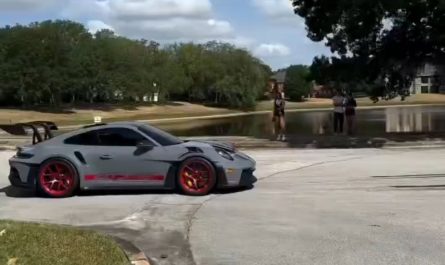
That’s god tier driving skill right there
I just witnessed the most incredible display of driving skills, and I’m still trying to wrap my head around it – the way the driver navigated through a crowded intersection, dodging pedestrians and cars with ease, was truly a sight to behold. It was as if they had a sixth sense, anticipating every move and reacting with lightning-quick reflexes. The phrase “god tier driving skill” couldn’t be more apt, and it got me thinking – what makes someone a great driver, and is it something that can be learned, or is it an innate talent?
The Science of Driving
Research suggests that driving is a complex task that requires a combination of cognitive, motor, and perceptual skills. Great drivers are able to process information quickly, make split-second decisions, and execute precise movements. It’s not just about following the rules of the road, but also about being aware of your surroundings, anticipating potential hazards, and adapting to changing situations. The brain’s ability to multitask, prioritize, and react to stimuli is crucial, and it’s fascinating to think about the neural mechanisms that underlie these processes. For instance, studies have shown that experienced drivers tend to have a larger field of vision, are more attentive to their surroundings, and are better at predicting the actions of other road users.
The Role of Experience and Practice
While some people may have a natural aptitude for driving, it’s clear that experience and practice play a huge role in developing god tier driving skills. The more you drive, the more you learn to recognize patterns, anticipate potential dangers, and develop muscle memory. Professional drivers, such as racing car drivers or chauffeurs, undergo extensive training and practice to hone their skills, and it’s not uncommon for them to spend hours on the road every day. Even for ordinary drivers, regular practice and exposure to different driving conditions can help improve their skills and reaction times. Moreover, the advent of advanced driver-assistance systems (ADAS) and simulator technology has made it possible for drivers to practice and improve their skills in a safe and controlled environment.
The Art of Anticipation
One of the key factors that sets great drivers apart is their ability to anticipate and predict the actions of other road users. This requires a deep understanding of human behavior, as well as the ability to read subtle cues, such as body language and vehicle positioning. Great drivers are able to think several steps ahead, anticipating potential hazards and taking proactive steps to avoid them. This is not just about reacting to situations, but about being proactive and taking control of the driving environment. For example, a great driver might anticipate that a pedestrian is about to step off the curb, and slow down or swerve to avoid them. This level of anticipation and awareness is truly impressive, and it’s what makes god tier driving skills so remarkable.
As I reflect on that incredible display of driving skills, I’m reminded that there’s always more to learn and discover. Whether it’s the science behind driving, the role of experience and practice, or the art of anticipation, there’s no doubt that god tier driving skills are a remarkable thing to behold. And who knows – maybe one day, we’ll all be able to drive like pros, with a little practice, patience, and dedication. Until then, I’ll just have to marvel at the skills of those who have mastered the art of driving, and hope that I can learn a thing or two from them.