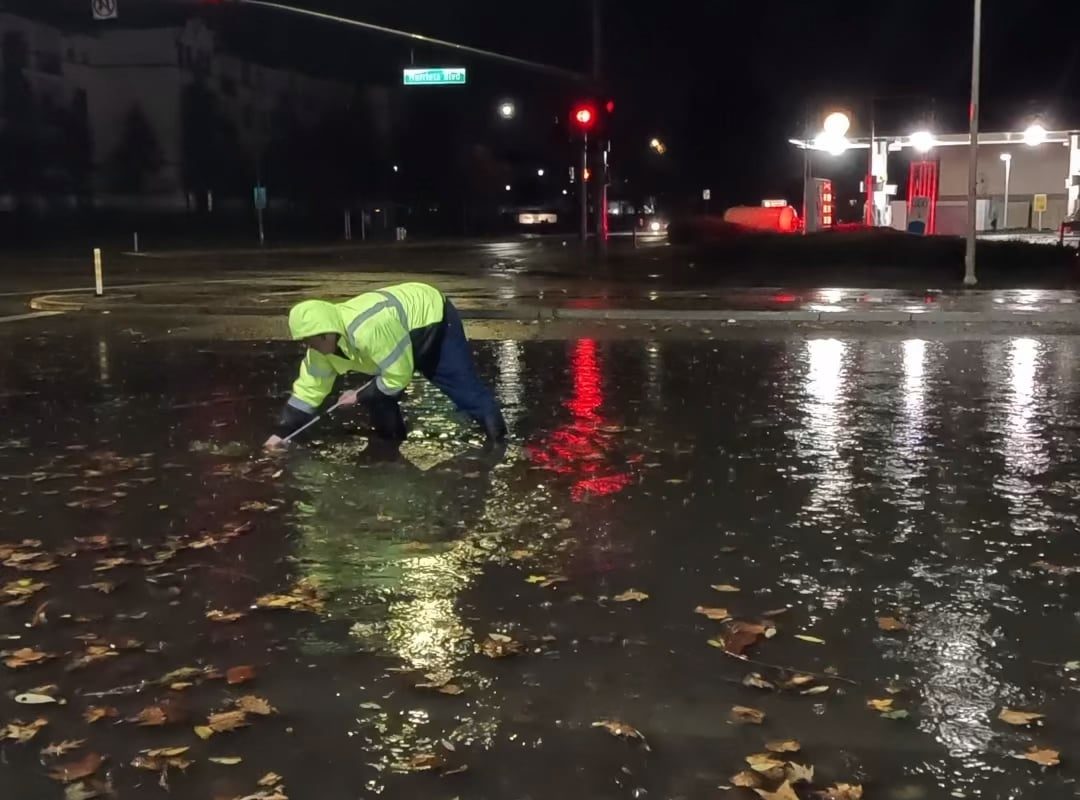
Floodwaters receding as the storm drain gets unclogged.
Title: How Unclogging Storm Drains Helps Floodwaters Recede Faster
Meta Description: Discover why unclogging storm drains is critical for floodwater management. Learn how clearing blockages protects property, prevents damage, and accelerates water drainage.
Introduction: The Silent Hero of Flood Prevention
When heavy rains or sudden storms strike, floodwaters can rise rapidly, threatening homes, roads, and infrastructure. But as soon as storm drains are unclogged, communities breathe a sigh of relief—water levels begin to drop almost immediately. Storm drains are the unsung heroes of urban water management, and keeping them clear is essential to prevent catastrophic flooding. In this article, we explore why drains clog, how unclogging them helps floodwaters recede, and proactive steps to avoid future blockages.
Why Storm Drains Clog: Common Culprits
Storm drains are designed to channel rainwater away from streets and neighborhoods. Yet, they often fail due to preventable obstructions:
- Natural Debris: Leaves, branches, mud, and sediment wash into drains during storms.
- Human Trash: Plastic bags, bottles, and litter block grates and pipes.
- Structural Issues: Tree roots, cracks, or aging infrastructure reduce flow capacity.
- Illegal Dumping: Oil, chemicals, or construction waste worsen blockages.
When drains clog, water pools on surfaces instead of draining. This triggers urban flooding, property damage, and hazardous driving conditions.
The Ripple Effect: What Happens When Drains Are Unclogged
Clearing a blocked storm drain is like pulling the plug in a bathtub—floodwaters start receding rapidly. Here’s how it helps:
- Faster Drainage: Water flows freely into underground pipes or drainage systems.
- Lower Risk of Damage: Reduced standing water minimizes erosion, mold growth, and structural harm.
- Safer Roads: Streets become passable sooner, easing traffic and emergency access.
- Ecosystem Protection: Preventing stagnant water reduces mosquito breeding and pollution runoff.
Real-World Impact
Cities like Houston and Miami have seen floodwaters drop within hours after proactive drain maintenance. For example, after Hurricane Harvey, unclogging just 15 critical drains in one neighborhood saved dozens of homes from prolonged flooding.
Preventing Future Clogs: Proactive Steps for Homeowners & Cities
For Communities:
- Regular Inspections: Schedule seasonal cleanings before rainy seasons.
- Public Awareness Campaigns: Encourage residents to report blocked drains and avoid dumping.
- Green Infrastructure: Install permeable pavements, rain gardens, or bioswales to reduce runoff.
For Homeowners:
- Clear Yard Debris: Rake leaves away from drains and gutters.
- Dispose of Waste Properly: Never pour grease, oil, or chemicals into storm drains.
- Install Drain Guards: Use mesh covers to catch leaves and trash.
The Role of Professional Drain Services
Severely clogged drains often need expert intervention. Professional services use:
- High-pressure jetting to blast away stubborn blockages.
- CCTV cameras to inspect pipes for hidden damage.
- Vacuum trucks to remove sludge and debris.
Routine maintenance contracts can save cities and homeowners thousands in flood-related repairs.
Conclusion: A Community-Wide Effort
Unclogging storm drains isn’t just a municipal task—it’s a shared responsibility. When drains are clear, floodwaters recede faster, protecting property, lives, and local ecosystems. By staying vigilant and investing in maintenance, communities can turn the tide against preventable flooding.
Take Action Today: Contact local authorities to report blocked drains, or schedule a professional inspection if you notice slow-draining water near your property. Together, we can keep our neighborhoods safe and dry.
Keywords for SEO:
storm drain unclogging, floodwater receding, flood prevention, drain maintenance, standing water solutions, urban flooding causes, stormwater management, clogged drain repair, flood damage prevention, drainage system cleaning
Share This Article: Help spread awareness about flood prevention! Share this guide with neighbors, local groups, or on social media. 🚰🌧️