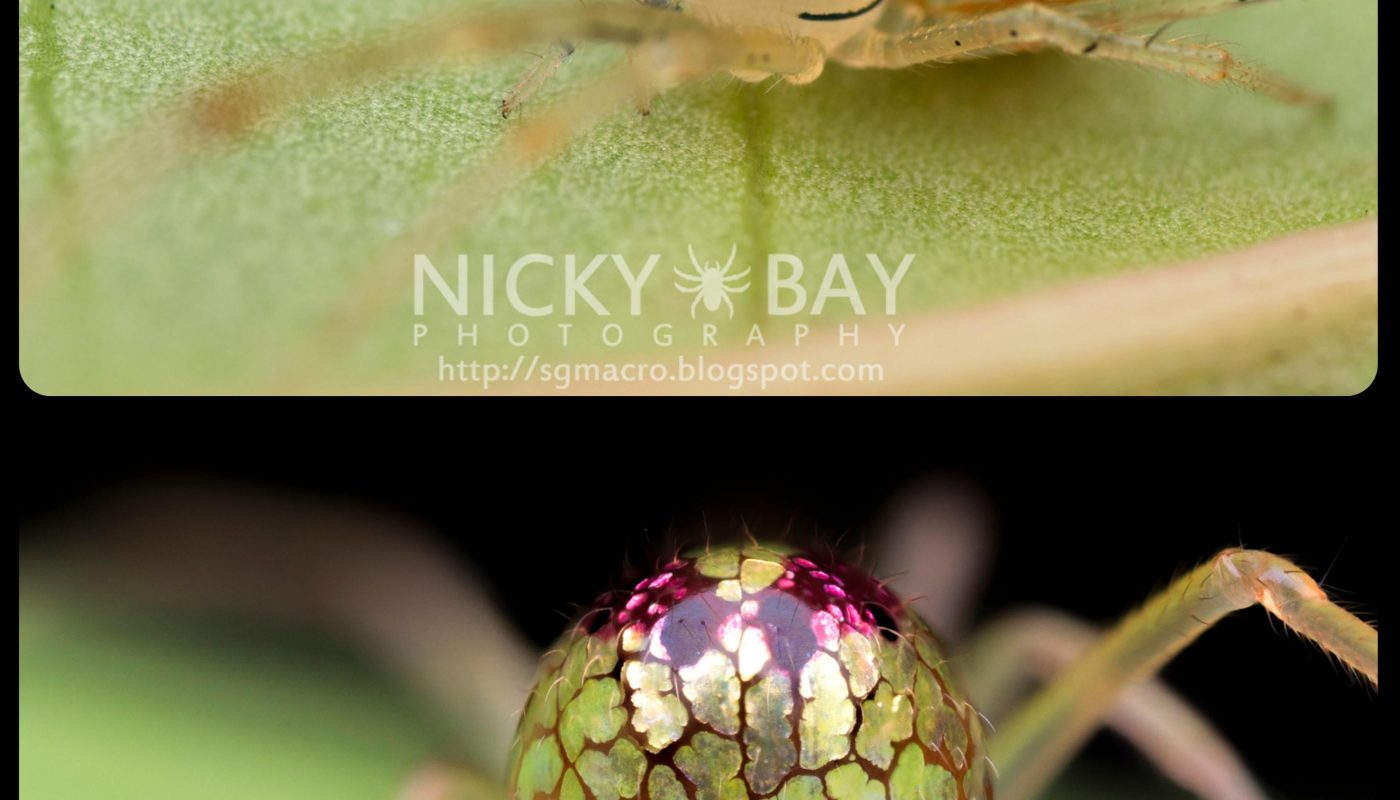
Mirror-Ball Spiders: these spiders are covered in shimmering, mirror-like panels that can shrink or expand; the panels are produced by a digestive secretion known as guanine, which seeps into the lining of the spider’s gut and forms crystalline structures just beneath the surface of the abdomen
If you think you’ve seen it all when it comes to spiders, think again. There’s a type of spider that’s so dazzling, it’s like something out of a sci-fi movie. Meet the mirror-ball spider, a creature that’s covered in shimmering, mirror-like panels that can shrink or expand at will. It’s like they’re wearing the most fabulous, high-tech costume in the animal kingdom. But what’s really behind this spider’s dazzling appearance, and how do they manage to pull off such a stunning look?
The Science Behind the Sparkle
The mirror-ball spider’s secret to its dazzling appearance lies in its unique biology. The shimmering panels on its abdomen are produced by a digestive secretion known as guanine, which seeps into the lining of the spider’s gut and forms crystalline structures just beneath the surface of the abdomen. This process is made possible by the spider’s specialized gut lining, which allows the guanine to seep in and form the crystalline structures. As the spider moves, the panels reflect light and create a dazzling display of color and light, making the spider almost invisible in the right surroundings. It’s a clever trick that helps the spider to confuse predators and attract prey.
A Closer Look at Guanine
So, what exactly is guanine, and how does it work its magic on the mirror-ball spider’s abdomen? Guanine is a type of waste product that’s produced by the spider’s digestive system. In most animals, guanine is excreted as waste, but in the mirror-ball spider, it’s put to good use. The guanine seeps into the lining of the spider’s gut and forms crystalline structures that reflect light. This process is made possible by the spider’s specialized gut lining, which allows the guanine to seep in and form the crystalline structures. It’s a remarkable example of how animals can adapt and reuse waste products to create something truly remarkable.
More Than Just a Pretty Face
While the mirror-ball spider’s appearance is certainly dazzling, it’s more than just a pretty face. The spider’s ability to shrink or expand its mirror-like panels allows it to communicate with other spiders and even attract prey. It’s a complex system that’s still not fully understood, but scientists believe that the spider uses its panels to send signals to other spiders, warning them of potential threats or attracting them to potential mates. It’s a remarkable example of how animals use complex signals to communicate with each other, and it’s a fascinating area of study for scientists.
As we marvel at the mirror-ball spider’s dazzling appearance, it’s worth remembering that there’s often more to nature’s wonders than meets the eye. The science behind the spider’s sparkle is just as fascinating as its appearance, and it’s a reminder that even the most seemingly mundane creatures can hold secrets and surprises that are just waiting to be uncovered. So next time you see a spider, don’t just squash it or shoo it away – take a closer look, and you might just discover a whole new world of wonder and awe.