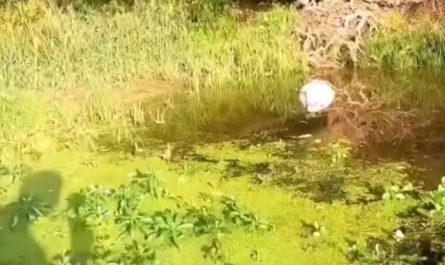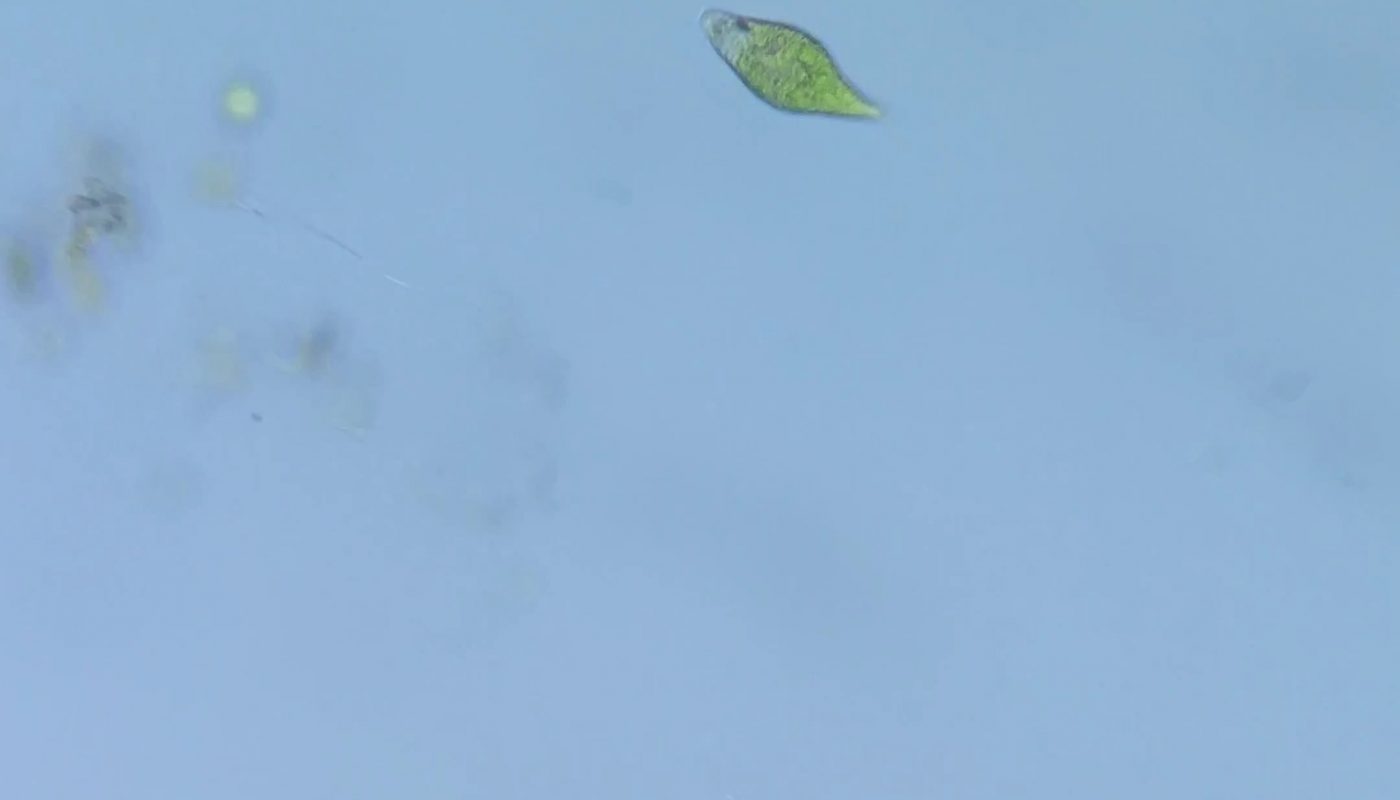
This is an Euglena. It’s a single-celled algae, yet it can swim around, and even has a red eyespot which can be used to detect light intensity.
Have you ever heard of a tiny creature that’s like a superhero of the microscopic world? Meet the Euglena, a single-celled algae that’s packed with incredible features that will leave you amazed. This tiny organism is capable of swimming around, and it even has a built-in navigation system that helps it detect light intensity. But what’s truly fascinating about the Euglena is its unique combination of plant and animal-like characteristics, making it a fascinating subject of study for scientists and curious minds alike.
What is an Euglena?
The Euglena is a type of protist, a group of eukaryotic microorganisms that don’t fit into any of the traditional categories of plants, animals, or fungi. It’s a single-celled organism that’s typically found in freshwater environments, and it’s characterized by its long, flexible body and flagellum, which it uses to swim around. But what’s really interesting about the Euglena is its ability to photosynthesize, like plants, and its possession of a red eyespot that helps it detect light intensity. This eyespot is made up of carotenoid pigments, which are the same pigments that give tomatoes their red color.
The Science Behind the Euglena’s Eyespot
The Euglena’s eyespot is a remarkable feature that allows it to detect the direction and intensity of light. This is crucial for the organism’s survival, as it needs to move towards light sources in order to photosynthesize and produce energy. The eyespot is made up of a cluster of pigments that absorb light, and it’s connected to a flagellum that helps the Euglena move towards or away from light sources. But the Euglena’s eyespot is not just a simple light detector – it’s also capable of detecting the polarization of light, which helps the organism to navigate its environment. This is a remarkable feat, considering that the Euglena is just a single cell.
Why is the Euglena Important?
The Euglena may be a small and seemingly insignificant organism, but it’s actually a very important part of our ecosystem. As a primary producer, the Euglena plays a crucial role in the food chain, providing energy and nutrients for other organisms. It’s also a popular subject of study for scientists, who are interested in its unique characteristics and abilities. By studying the Euglena, scientists can gain insights into the evolution of life on Earth, and how different organisms have adapted to their environments. So next time you’re out in nature, take a moment to appreciate the tiny creatures like the Euglena that are working hard to keep our ecosystem thriving.
The Euglena is a true marvel of nature, and its unique combination of plant and animal-like characteristics makes it a fascinating subject of study. Whether you’re a scientist, a nature lover, or just someone who’s curious about the world around you, the Euglena is definitely worth learning more about. So why not take a closer look at this tiny superhero of the microscopic world, and discover the amazing things it can do? With its built-in navigation system, its ability to photosynthesize, and its remarkable eyespot, the Euglena is a true wonder of the natural world.