My country is wild with this “nganya” culture.
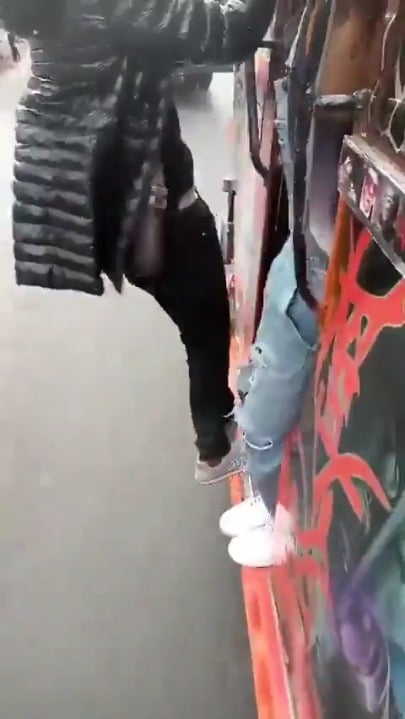
I just got back from a road trip across my country, and I have to say, the one thing that left me utterly bewildered was the “nganya” culture that seems to have taken over our roads. Everywhere I looked, there were these brightly colored, heavily decorated matatus, or mini-buses, zooming past with their loud music and even louder drivers. It’s like nothing I’ve ever seen before, and I found myself wondering, what’s behind this wild and wacky phenomenon? As I delved deeper into the world of nganya, I discovered that it’s not just a quirky trend, but a full-blown culture with its own unique history, style, and rules.
The Origins of Nganya
The nganya culture has its roots in the early 2000s, when matatu drivers in Nairobi started customizing their vehicles with colorful paint jobs, decals, and even fancy interior designs. At first, it was just a way for drivers to express themselves and stand out from the crowd, but soon it evolved into a full-blown competition, with drivers trying to outdo each other in terms of creativity and extravagance. Today, the nganya culture has spread across the country, with different regions developing their own unique styles and themes. From the flashy lights and neon colors of the Nairobi matatus to the more subdued, rural designs of the upcountry vehicles, each nganya is a reflection of the community it serves.
The Science of Nganya
But what makes the nganya culture so fascinating is the science behind it. Research has shown that the bright colors and bold designs of the matatus can actually have a psychological impact on passengers, making them feel more energized and alert. The music, too, plays a big role, with studies suggesting that the loud, upbeat tunes can help reduce stress and improve mood. And then there’s the social aspect of nganya, with the matatus serving as mobile community centers, where passengers can connect with each other and share stories. It’s a truly unique phenomenon, where art, science, and community come together in a swirl of color and sound.
Nganya as a Reflection of Society
As I watched the nganyas zoom past, I couldn’t help but wonder what they say about our society as a whole. Are they a reflection of our love of creativity and self-expression, or a sign of our desire for attention and validation? Perhaps they’re a bit of both, a manifestation of our complex and multifaceted culture. Whatever the reason, one thing is clear: the nganya culture is here to stay, and it’s an integral part of our country’s identity. As I settled back into my seat and watched the nganyas disappear into the distance, I felt grateful to have experienced this wild and wonderful phenomenon, and I couldn’t wait to see where it would take us next.
As I reflect on my journey and the nganya culture, I’m reminded that there’s always more to a story than meets the eye. What seems like a quirky trend or a flashy fad can actually be a complex and multifaceted phenomenon, full of history, science, and social commentary. The nganya culture may be wild and wacky, but it’s also a testament to the creativity and resilience of our people, and a reminder that even in the most unexpected places, there’s always beauty and wonder to be found.