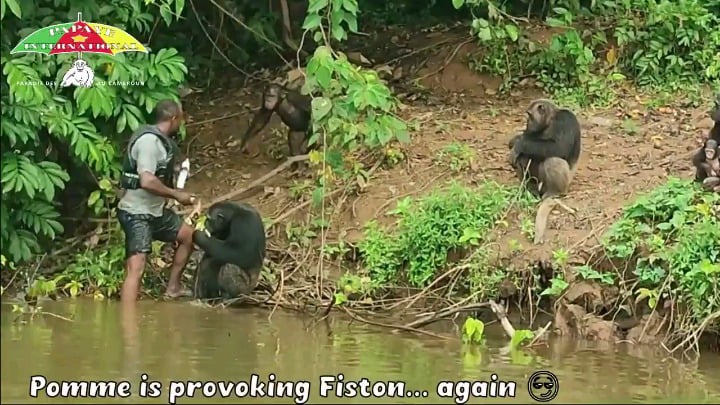
A young chimpanzee tried to intimidate the human, then the alpha stepped in to ease the situation.
As I watched the footage of a young chimpanzee trying to intimidate a human, I couldn’t help but feel a mix of emotions – amusement, concern, and ultimately, fascination. The little chimp, with its puffed-out chest and loud barks, was doing its best to assert dominance over the human, but it was clear that it was still learning the ropes of social hierarchy. Just as things were starting to get out of hand, the alpha chimpanzee stepped in, gently but firmly calming the situation and reminding the young one of its place. It was a powerful display of leadership and social intelligence, and it got me thinking about the complex dynamics at play in chimpanzee societies.
Chimpanzee Social Structure
The social structure of chimpanzees is incredibly complex, with a strict hierarchy that is established and maintained through a combination of aggression, submission, and alliances. At the top of the hierarchy is the alpha, who has earned its position through a combination of strength, intelligence, and social savvy. The alpha is responsible for maintaining order and protecting the group, and it does so with a combination of gentle guidance and firm discipline. In the case of the young chimpanzee trying to intimidate the human, the alpha’s intervention was a perfect example of this gentle yet firm approach – the alpha didn’t punish the young one, but rather calmly reminded it of its place and prevented the situation from escalating further.
The Science of Chimpanzee Communication
Chimpanzees are incredibly skilled communicators, using a wide range of vocalizations, facial expressions, and body language to convey their intentions and emotions. The young chimpanzee’s attempts to intimidate the human, for example, were likely a combination of learned behavior and instinct – chimpanzees have been observed exhibiting aggressive behaviors towards outsiders, including humans, as a way of protecting their group and establishing dominance. The alpha’s response, on the other hand, was a masterclass in subtle communication – with a few gentle gestures and soft vocalizations, the alpha was able to calm the situation and remind the young one of its place. This kind of nuanced communication is a hallmark of chimpanzee social intelligence, and it’s a key factor in their ability to build and maintain complex social relationships.
What We Can Learn from Chimpanzees
As I watched the footage of the young chimpanzee and the alpha, I couldn’t help but think about what we can learn from these amazing animals. One of the most striking things about chimpanzees is their ability to balance individuality with social responsibility – they are capable of complex, nuanced relationships with each other, and they have a deep understanding of their place within the group. This kind of social intelligence is something that we humans could definitely learn from, and it’s a powerful reminder of the importance of empathy, cooperation, and gentle leadership. As we continue to learn more about chimpanzees and their fascinating social dynamics, we may just discover that they have a thing or two to teach us about how to build stronger, more compassionate communities.
As I finished watching the footage, I felt a sense of awe and appreciation for these incredible animals – their complex social dynamics, their nuanced communication, and their gentle yet firm leadership are all reminders of the beauty and sophistication of the natural world. And as I reflected on the alpha’s calm intervention, I couldn’t help but feel a sense of gratitude for the lessons that chimpanzees can teach us about social intelligence, empathy, and compassion – lessons that we would do well to learn, and to apply to our own lives and relationships.