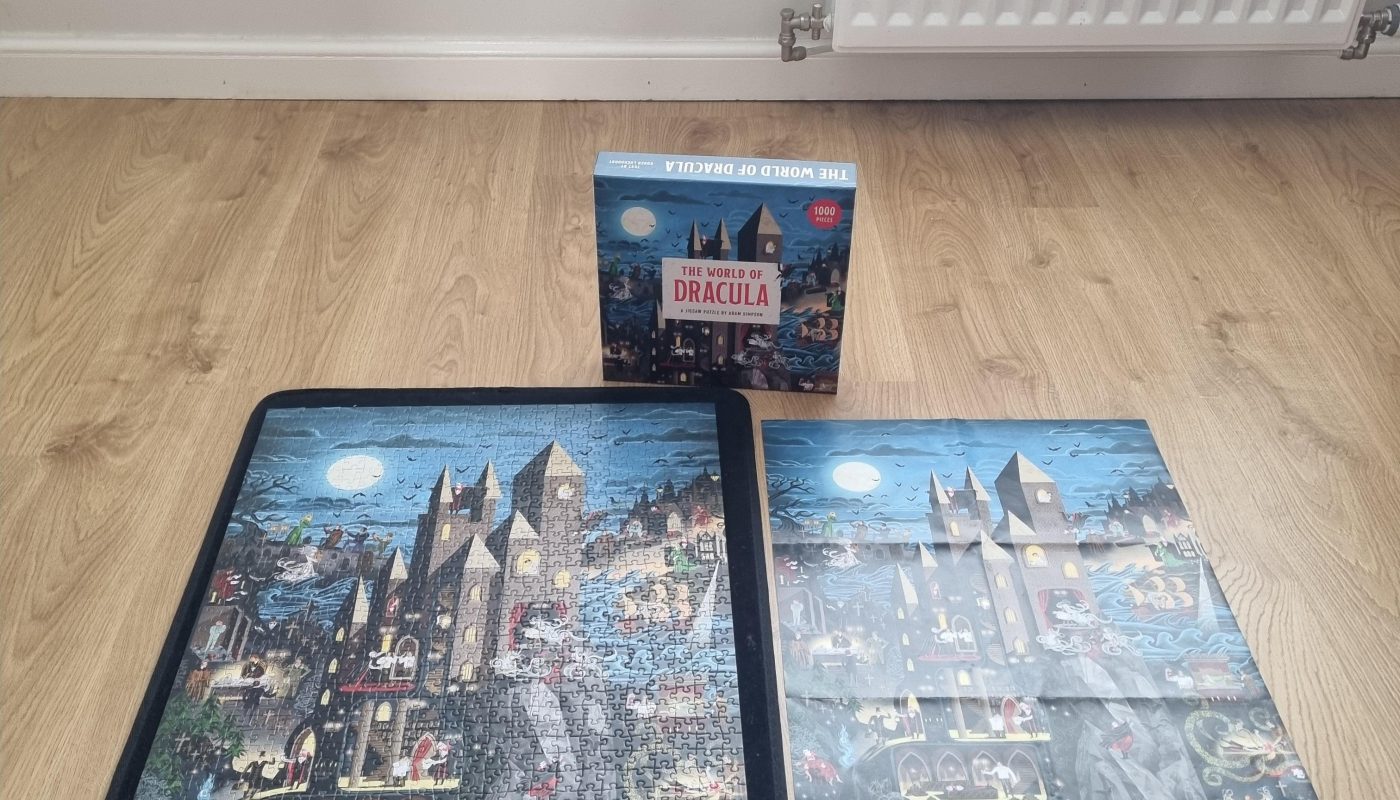
I love a completed jigsaw puzzle!
I still remember the thrill of completing my first jigsaw puzzle as a child – the sense of accomplishment, the feeling of pride, and the joy of seeing the finished picture come together. To this day, I love a completed jigsaw puzzle, and I’m not alone in my fascination. There’s something special about taking a pile of random pieces and turning them into a beautiful work of art. But have you ever stopped to think about the history and science behind jigsaw puzzles? From their origins as a tool for mapmaking to the cognitive benefits they provide, there’s a lot more to jigsaw puzzles than meets the eye.
The History of Jigsaw Puzzles
Jigsaw puzzles have been around for centuries, with the first recorded puzzle dating back to 1766. Created by John Spilsbury, an English engraver and mapmaker, the puzzle was designed to help children learn geography. The puzzle was a wooden map of the world, cut into pieces to help children understand the relationships between different countries and continents. Over time, jigsaw puzzles evolved to include a wide range of images and themes, from landscapes and animals to famous works of art and popular culture. Today, jigsaw puzzles are enjoyed by people of all ages, and are a popular hobby around the world.
The Science of Jigsaw Puzzles
But jigsaw puzzles are more than just a fun hobby – they also have a number of cognitive benefits. Research has shown that working on jigsaw puzzles can help improve spatial reasoning, memory, and problem-solving skills. The process of fitting pieces together requires a combination of logic, pattern recognition, and critical thinking, making it an excellent way to challenge and engage the brain. Additionally, jigsaw puzzles have been shown to have a number of therapeutic benefits, including reducing stress and anxiety, and improving mood and overall sense of well-being. Whether you’re looking to improve your cognitive skills or simply relax and unwind, jigsaw puzzles are an excellent choice.
The Joy of Completion
So what is it about completing a jigsaw puzzle that’s so satisfying? For many of us, it’s the sense of accomplishment and pride that comes from taking a pile of random pieces and turning them into a beautiful work of art. It’s also the feeling of relaxation and calm that comes from focusing on a single task, without the distractions of everyday life. And let’s not forget the thrill of the hunt – the search for that one missing piece that will complete the puzzle and bring the image to life. Whether you’re a seasoned puzzler or just starting out, there’s something special about completing a jigsaw puzzle that’s hard to beat.
In the end, my love of completed jigsaw puzzles is about more than just the finished product – it’s about the journey, the process, and the sense of accomplishment that comes from creating something beautiful from a pile of random pieces. Whether you’re a fellow puzzle enthusiast or just looking for a new hobby to try, I encourage you to give jigsaw puzzles a shot. With their rich history, cognitive benefits, and sheer joy of completion, it’s no wonder that jigsaw puzzles remain one of the most popular hobbies around the world.