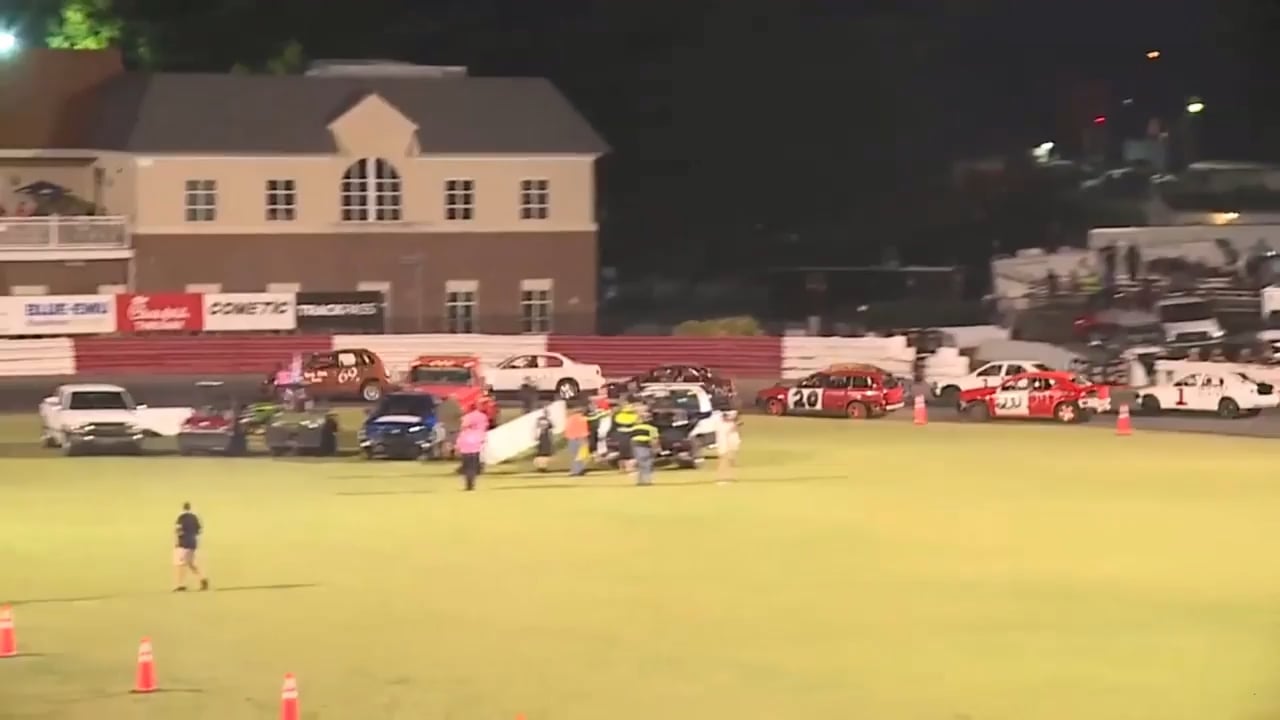
Chain racing, the front car has an engine but no brakes. The second car has brakes but no engine
Imagine being strapped into a car with no control over your speed, relying solely on the vehicle in front of you to dictate your pace. Sounds crazy, right? Welcome to the wild world of chain racing, where the front car has an engine but no brakes, and the second car has brakes but no engine. This unusual setup raises so many questions – how does it work, why would anyone attempt such a feat, and what’s the science behind this daredevil stunt? As we delve into the fascinating backstory and context of chain racing, you’ll be amazed at the ingenuity and bravery of the drivers who dare to take on this challenge.
The Birth of Chain Racing
Chain racing has its roots in the early days of motorsport, when drivers would push their vehicles to the limit, often with makeshift modifications and a healthy dose of recklessness. The concept of linking two cars together, with one providing the power and the other the braking, was born out of necessity and a desire for thrill-seeking. As the sport evolved, so did the technology and safety measures, but the core idea remained the same – to create an exhilarating experience that would test the skills and nerves of the drivers. The front car, with its powerful engine, would accelerate to high speeds, while the second car, equipped with a sophisticated braking system, would provide the necessary stopping power to avoid disaster.
The Science Behind Chain Racing
So, how does it all work? The key to successful chain racing lies in the precise synchronization of the two vehicles. The driver of the front car must carefully calibrate the acceleration to match the braking capabilities of the second car. This requires an intimate understanding of the vehicles’ dynamics, as well as exceptional communication between the drivers. The science behind chain racing is rooted in the principles of physics, particularly the concepts of momentum, friction, and energy transfer. As the front car accelerates, it builds up kinetic energy, which is then transferred to the second car through the connecting chain. The second car’s brakes must be able to absorb this energy and convert it into heat, slowing down the vehicle safely.
Modern-Day Chain Racing
Today, chain racing has evolved into a highly specialized and regulated sport, with custom-built vehicles and safety equipment designed to minimize the risks. The drivers, often seasoned professionals, undergo rigorous training to develop the skills and instincts necessary to navigate the challenges of chain racing. While the sport remains a niche activity, it has gained a loyal following and continues to inspire innovation and experimentation. As we watch these daredevils in action, we can’t help but marvel at their bravery, skill, and trust in each other – and wonder what other thrilling adventures await them on the track.
As we conclude our journey into the world of chain racing, we’re left with a sense of awe and respect for the drivers who push the limits of speed and safety. This unusual sport may not be for the faint of heart, but it’s a testament to human ingenuity and the pursuit of adrenaline-fueled thrills. Whether you’re a seasoned racing enthusiast or just a curious observer, chain racing is sure to leave you on the edge of your seat, wondering what’s next for these fearless drivers and their death-defying stunts.